

Working Principle and Characteristics of Pneumatic Conveying for Wheat Bran Material
Wheat bran, a byproduct of the milling process, is widely utilized in animal feed, biofuel production, and other industrial applications. Efficient material handling is essential for optimizing the processing of wheat bran, and pneumatic conveying systems have become a preferred solution for transporting this material. This article examines the working principle and key characteristics of pneumatic conveying systems specifically designed for wheat bran material, highlighting the technology's benefits and operational considerations.
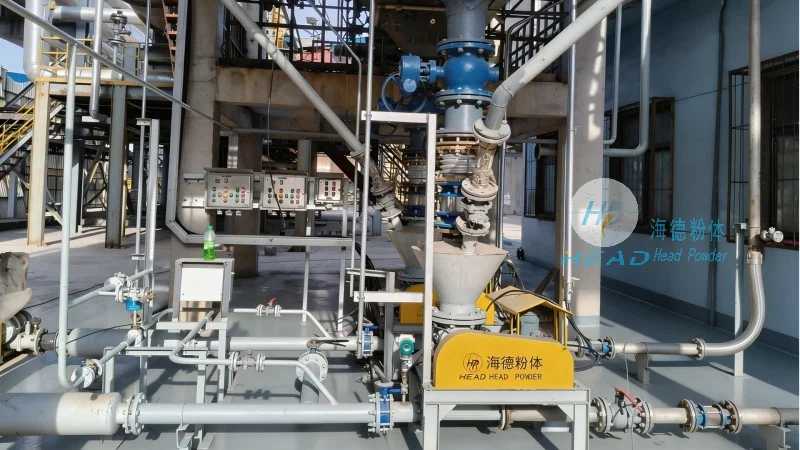
Overview of Pneumatic Conveying Systems
Pneumatic conveying, also known as air conveying, is a method of transporting bulk materials through a pipeline using air or gas as the conveying medium. The system typically includes a material feed hopper, a conveyor line, and a receiver or discharge point. For wheat bran, which is a light, dry, and often dusty material, pneumatic conveying offers advantages over traditional mechanical methods like belt or screw conveyors.
The Working Principle of Wheat Bran Pneumatic Conveying
The core of a pneumatic conveying system for wheat bran involves creating a pressure differential or using suction to move the material through the pipeline. Two primary types of systems are used: pressure (positive) conveying and vacuum (negative) conveying. Each operates based on different principles but both effectively transport wheat bran from the source to the destination.
In pressure conveying, a positive pressure is generated at the discharge end of the system, pushing the material through the pipeline. This method is suitable for short to medium distances and is commonly used to transport wheat bran from storage silos to processing units. The system includes a blower or compressor that supplies compressed air to the pipeline, ensuring the material is propelled forward. The pressure differential created by the blower forces the wheat bran to move through the pipeline, often with the aid of a venturi or flow control devices.
Vacuum conveying, conversely, uses a vacuum pump to create a negative pressure at the intake end of the system. This draws the wheat bran material into the pipeline and transports it to the receiver. Vacuum conveying is ideal for longer distances or when the material needs to be collected from multiple points. The system includes a vacuum pump, a filter to remove dust and particles from the air, and a receiver where the wheat bran is deposited. The vacuum created by the pump pulls the material through the pipeline, ensuring efficient transport even for fine or light materials like wheat bran.
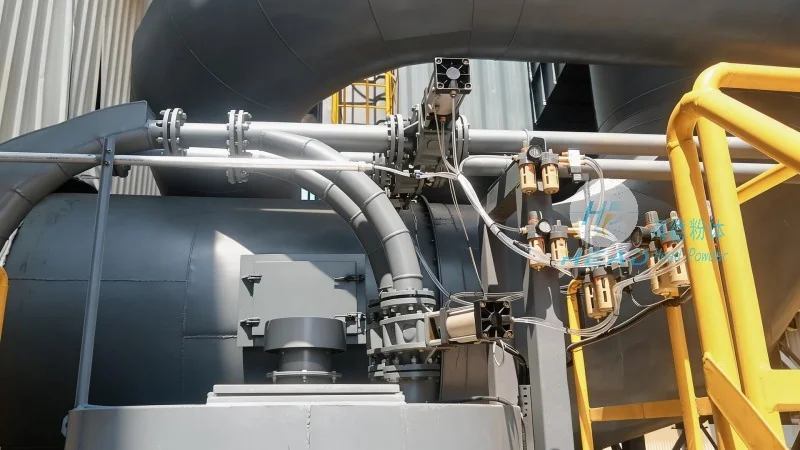
Key Characteristics of Wheat Bran Pneumatic Conveying
The pneumatic conveying of wheat bran is characterized by several distinct features that make it an effective and efficient solution for material handling. These characteristics include:
1. High Efficiency and Throughput: Pneumatic conveying systems can handle large volumes of wheat bran at high speeds, significantly increasing throughput compared to traditional mechanical conveyors. The continuous flow reduces downtime and improves overall production efficiency.
2. Low Maintenance and Reduced Downtime: Unlike mechanical conveyors with moving parts like belts or screws, pneumatic systems have fewer components requiring regular maintenance. This results in lower maintenance costs and less downtime, ensuring consistent operation for processing wheat bran.
3. Dust Control and Environmental Benefits: Pneumatic conveying systems are designed to minimize dust generation and emissions. The enclosed pipeline and filtration systems help contain dust, reducing contamination risks and improving workplace safety. This is particularly important when handling wheat bran, which can be a source of airborne particles.
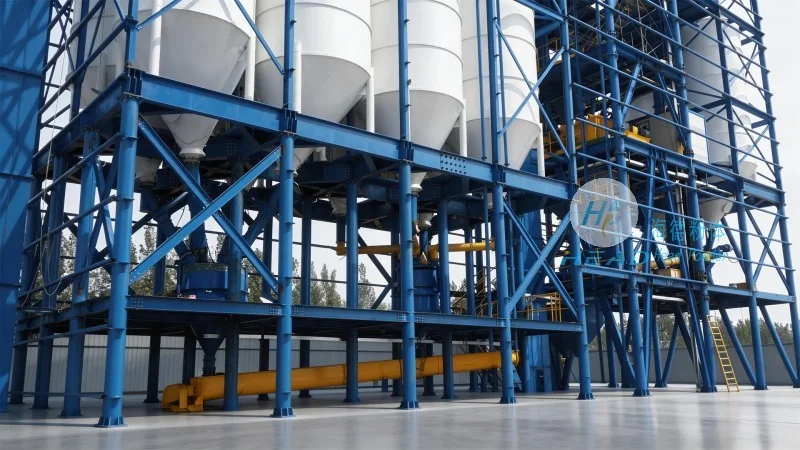
4. Flexibility in Layout and Installation: Pneumatic conveying systems can be easily integrated into existing production layouts, allowing for flexible pipeline routing. This flexibility enables adaptation to different facility configurations, making it suitable for various processing stages of wheat bran.
5. Gentle Handling of Material: The air flow in a pneumatic system provides a gentle and uniform transport of wheat bran, minimizing the risk of material degradation or breakage. This is crucial for preserving the quality of the wheat bran, especially when intended for animal feed or other sensitive applications.
Operational Considerations for Wheat Bran Pneumatic Conveying
While pneumatic conveying offers numerous benefits, proper design and operation are essential for optimal performance. Key considerations include:
1. Material Properties: The characteristics of wheat bran, such as moisture content, particle size, and bulk density, must be considered when designing the system. These properties affect the air velocity required for efficient transport and the system's overall capacity.
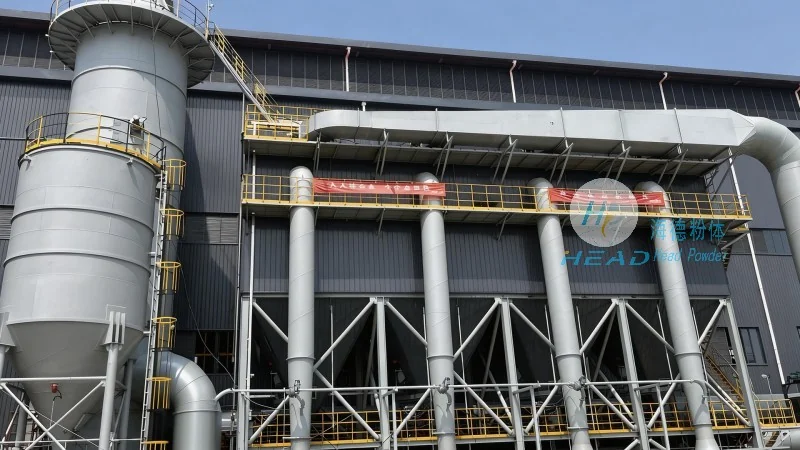
2. System Sizing and Airflow: The pipeline size, blower or vacuum pump type, and airflow rate are critical factors. Proper sizing ensures the system can handle the required volume without excessive energy consumption or pressure loss.
3. Filtration and Cleaning: The filtration system is vital for maintaining air quality and preventing pipeline clogging. Regular cleaning and maintenance of filters are necessary to ensure efficient operation and avoid downtime.
4. Safety and Compliance: Pneumatic conveying systems must comply with safety regulations, especially when handling materials with health risks. Proper ventilation, dust collection, and emergency shutdown procedures are essential for workplace safety.
Conclusion
Pneumatic conveying systems provide an effective and efficient solution for transporting wheat bran material in industrial applications. By understanding the working principles and key characteristics of these systems, manufacturers can optimize their material handling processes, improve productivity, and ensure the quality of their wheat bran products. As a leading engineering solutions provider, Shandong HeadPowder Engineering Co., Ltd. specializes in designing and manufacturing customized pneumatic conveying systems tailored to the specific needs of wheat bran processing facilities. With a focus on efficiency, reliability, and environmental responsibility, HeadPowder's systems help clients achieve optimal performance and operational excellence in their wheat bran handling operations.