

Working Principle and Characteristics of Pneumatic Conveying for Clay Materials
HeadPowder, a professional provider of material handling solutions, focuses on the development of advanced pneumatic conveying systems for clay materials. This article aims to elucidate the fundamental working principle and distinctive features of such systems, enabling readers to understand their operational mechanisms and practical advantages.
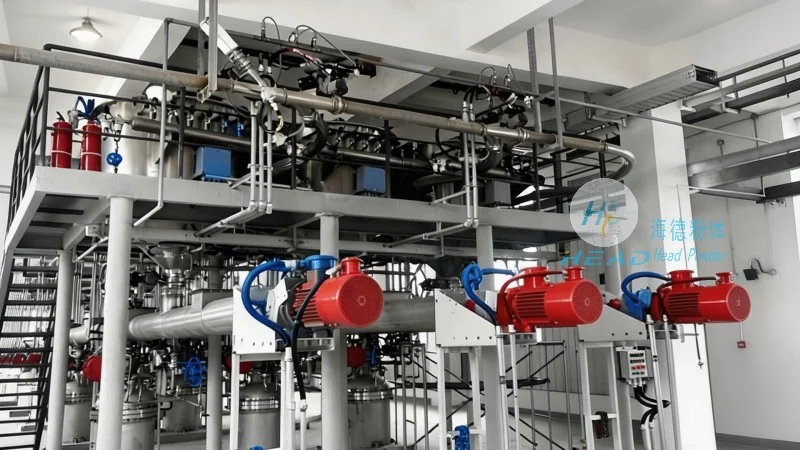
The Working Principle of Pneumatic Conveying for Clay Materials
Pneumatic conveying for clay materials operates on the principle of using compressed air to transport solid particles through a pipeline. The process typically involves several key steps. First, the clay material is fed into a hopper or feeder, where it is then introduced into a conveying line. Simultaneously, a high-pressure air stream is generated by a blower or compressor. This air stream creates a negative pressure or positive pressure environment within the pipeline, depending on the system design. The air flow then lifts and propels the clay particles along the pipeline. As the material travels, it may encounter various components such as bends, expansions, or separation devices. At the receiving end, a separator, often a cyclone or bag filter, separates the clay from the air, allowing the material to be discharged while the air is either recirculated or vented.
Key Characteristics of Pneumatic Conveying Systems for Clay Materials
The characteristics of pneumatic conveying systems for clay materials are shaped by their design and operational parameters. One of the most notable features is the absence of mechanical contact between the material and system components, which significantly reduces wear and tear on equipment. This is particularly advantageous for clay, which can be abrasive and prone to caking. Additionally, pneumatic conveying systems offer high flexibility in terms of layout and integration with existing production lines. They can be configured to handle varying material flow rates and particle sizes, making them suitable for diverse industrial applications.
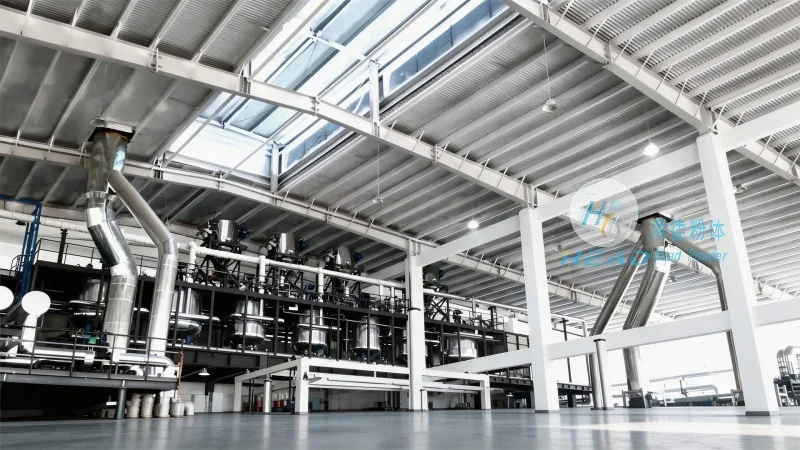
Efficiency and Performance Considerations
The efficiency of a pneumatic conveying system for clay materials is influenced by several factors, including the air velocity, system pressure, and pipeline design. Proper air velocity is crucial to prevent material deposition or blockages, which can occur if the velocity is too low. Conversely, excessively high velocity may lead to increased energy consumption and potential damage to downstream equipment. The system pressure, determined by the blower or compressor, must be optimized to balance material transport efficiency with energy costs. Furthermore, the design of the pipeline, including the use of bends, expansions, and transition sections, plays a critical role in maintaining consistent flow and preventing pressure losses.
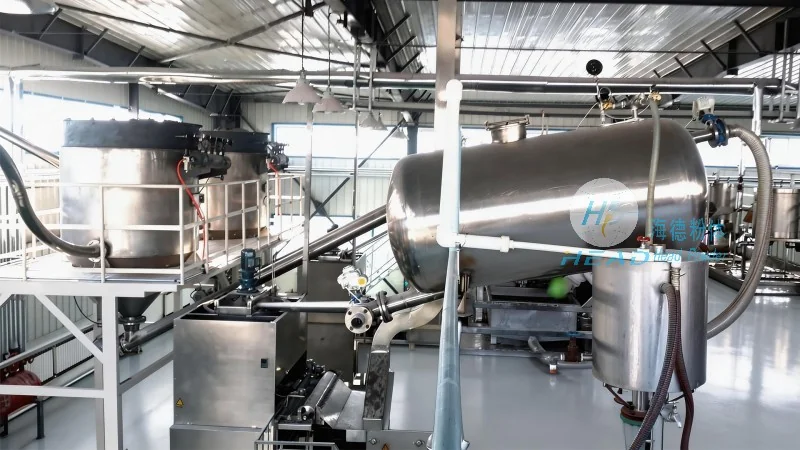
Environmental and Operational Advantages
Pneumatic conveying systems for clay materials offer several environmental and operational benefits. Unlike mechanical systems, which may generate dust and noise, pneumatic systems are enclosed, reducing the risk of dust emissions and improving workplace safety. The enclosed nature of the system also minimizes material spillage and contamination, contributing to a cleaner operational environment. From an operational standpoint, these systems are relatively simple to maintain, as they have fewer moving parts compared to mechanical conveyors. Regular maintenance typically involves checking air pressure, cleaning filters, and inspecting the conveying line for blockages or wear.
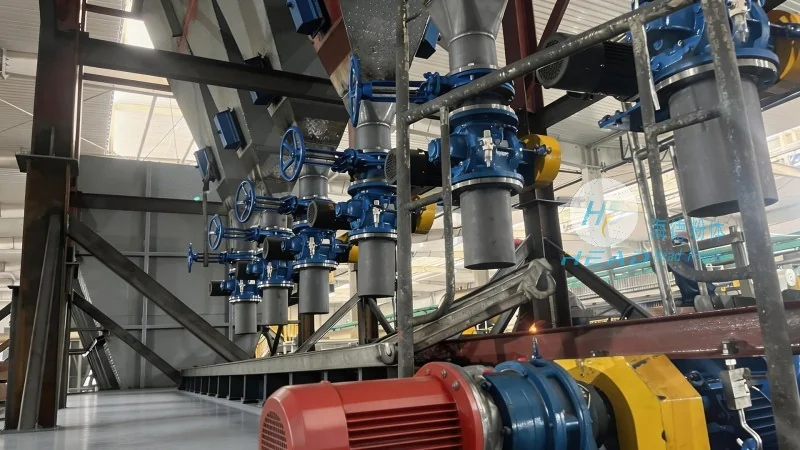
Application Examples and Industry Impact
Pneumatic conveying systems for clay materials are widely used in various industries, including ceramics, construction, and mining. In the ceramics industry, for instance, these systems are essential for transporting raw clay from storage to processing facilities, ensuring a consistent and controlled supply of material. In construction, they are used to convey clay for brick-making or soil stabilization projects. The ability to handle abrasive and cohesive materials like clay makes pneumatic conveying a preferred choice over traditional methods such as belt conveyors or bucket elevators.
About HeadPowder Engineering Co., Ltd.
HeadPowder Engineering Co., Ltd., headquartered in Shandong, China, is a reputable company specializing in the design, manufacturing, and installation of material handling equipment. With a strong commitment to innovation and quality, HeadPowder provides customized pneumatic conveying solutions tailored to the specific needs of clients. The company's expertise in clay material handling has enabled it to serve a wide range of industries, delivering reliable and efficient systems that enhance operational productivity and safety.