

Working Principle and Characteristics of P.E. Granular Material Pneumatic Conveying
Understanding the working principle and characteristics of pneumatic conveying for P.E. granular materials is crucial for optimizing material handling processes in various industrial applications. This article provides an in-depth exploration of how pneumatic conveying systems operate and the key attributes that define their performance.
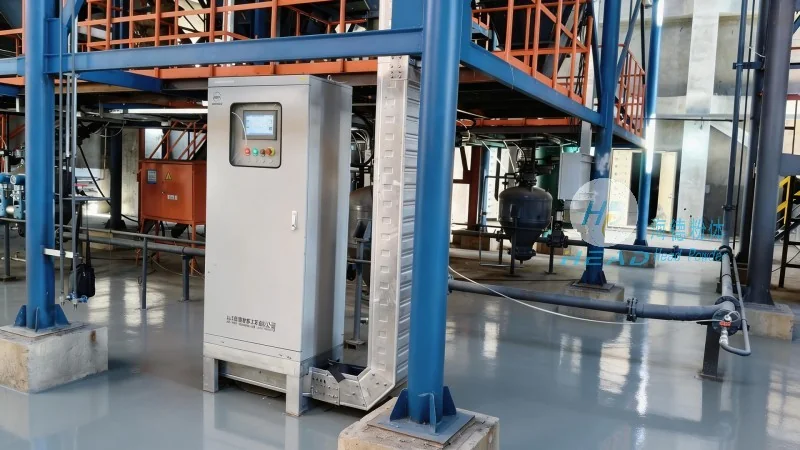
Introduction to Pneumatic Conveying Systems
Pneumatic conveying, also known as air conveying, is a method of transporting bulk materials through a pipeline using a stream of air or gas. This technology is widely used in industries such as plastics, chemicals, food processing, and pharmaceuticals due to its efficiency and flexibility. For P.E. (polyethylene) granular materials, which are commonly used in manufacturing, construction, and packaging, pneumatic conveying offers a reliable solution for moving these lightweight, fine particles from one location to another.
Working Principle of P.E. Granular Material Pneumatic Conveying
The core working principle of P.E. granular material pneumatic conveying involves the use of a pressure or vacuum system to move the material through a pipeline. In a typical pressure system, a blower or compressor generates a high-pressure air stream that propels the P.E. granules forward. The material is fed into the pipeline at a controlled rate, often using a hopper or feeder, and is then carried by the air flow. The velocity of the air must be sufficient to overcome the gravitational forces and friction within the pipeline, ensuring that the granules remain suspended and transported efficiently.
In a vacuum system, the opposite approach is taken. A vacuum pump creates a low-pressure environment at the receiving end, drawing the P.E. granules through the pipeline towards the vacuum source. This method is particularly useful for long-distance or multi-point conveying, as it can handle more complex layouts without the need for multiple pressure boosts. The choice between pressure and vacuum systems depends on factors such as the distance to be covered, the number of transfer points, and the specific properties of the P.E. granules, including their size, density, and moisture content.
Key Components of P.E. Granular Material Pneumatic Conveying Systems
Several critical components work together to ensure the effective operation of P.E. granular material pneumatic conveying systems. These include the air source (blower or vacuum pump), the material feeder (hopper or rotary valve), the conveying pipeline (usually made of stainless steel or other corrosion-resistant materials), and the control system (including pressure regulators and flow meters). Each component plays a vital role in maintaining the system's efficiency and preventing issues such as blockages or material degradation.
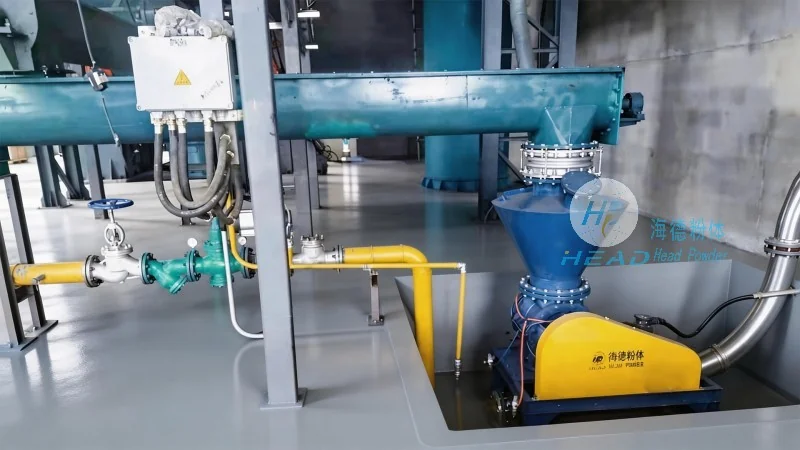
Advantages of P.E. Granular Material Pneumatic Conveying
Pneumatic conveying offers numerous advantages when handling P.E. granular materials. One of the most significant benefits is the ability to transport materials in a closed system, which helps to prevent contamination from external sources and reduces dust emissions. This is particularly important for P.E. granules, which can be prone to static buildup and dust generation. Additionally, pneumatic conveying systems are highly flexible, allowing for easy integration into existing production lines and the ability to change conveying routes as needed.
Another advantage is the speed and efficiency of material transport. Pneumatic systems can move P.E. granules over long distances with minimal energy consumption compared to traditional methods like belt conveyors or bucket elevators. This makes them ideal for applications where rapid material transfer is required, such as in high-speed manufacturing processes. Furthermore, pneumatic conveying can handle a wide range of P.E. granule sizes and shapes, from fine powders to larger pellets, without causing damage to the material.
Characteristics and Considerations for P.E. Granular Material Pneumatic Conveying
When implementing pneumatic conveying for P.E. granular materials, several characteristics and considerations must be taken into account to ensure optimal performance. The first is the particle size and density of the P.E. granules. Smaller particles may require higher air velocities to remain suspended, while larger pellets may need additional support or different pipeline diameters. The density of the material also affects the required air flow rate and pressure, as denser materials need more force to move through the pipeline.
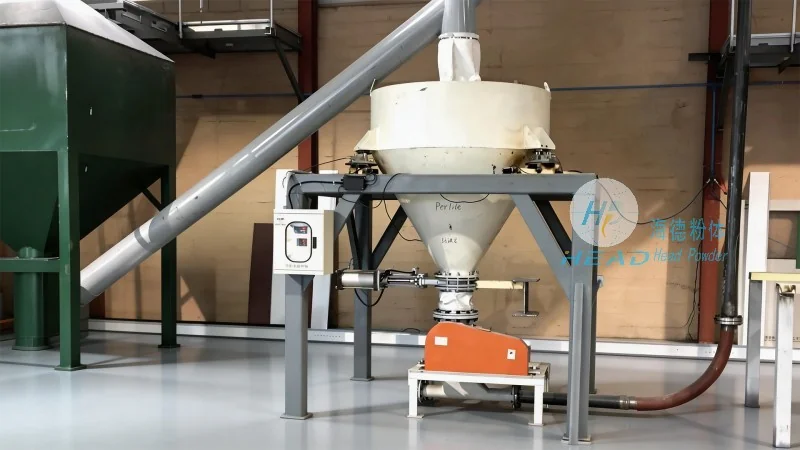
Moisture content is another critical factor. P.E. granules with high moisture levels can cause blockages or corrosion in the system, especially if the air source is not properly filtered or dried. Therefore, it is essential to control the moisture content of the material before conveying and to maintain the system's cleanliness to prevent buildup. Additionally, the presence of static electricity in P.E. granules can lead to material sticking to the pipeline walls or causing sparks, which may pose safety risks. Proper grounding and anti-static measures are necessary to mitigate these issues.
Applications of P.E. Granular Material Pneumatic Conveying
Pneumatic conveying systems for P.E. granular materials are used in a variety of applications across different industries. In the plastics industry, for example, P.E. granules are commonly conveyed from storage silos to extrusion machines or molding equipment. This allows for a continuous and efficient supply of raw material, reducing downtime and improving production throughput. In construction, P.E. granules may be used as additives in concrete or as raw material for manufacturing plastic products, and pneumatic conveying helps to move these materials to job sites or processing facilities.
In the packaging industry, P.E. granules are often used to produce plastic films, bags, or containers. Pneumatic conveying assists in moving these materials from storage to the production line, ensuring a consistent and reliable supply. Similarly, in the chemical industry, P.E. granules may serve as additives or raw materials for various products, and pneumatic systems facilitate their transport within the manufacturing process.
Conclusion and Recommendations
Pneumatic conveying is a highly effective method for transporting P.E. granular materials, offering numerous advantages in terms of efficiency, flexibility, and contamination control. By understanding the working principle and key characteristics of these systems, manufacturers can optimize their material handling processes and improve overall productivity. When implementing a pneumatic conveying system for P.E. granular materials, it is essential to consider factors such as particle size, moisture content, and system layout to ensure optimal performance. Consulting with experienced engineering companies, such as Shandong HeadPowder Engineering Co., Ltd., can provide valuable insights and tailored solutions to meet specific industrial needs.