

Working Principle and Characteristics of Pneumatic Conveying for Heavy Calcium Powder Materials
HeadPowder, a leading enterprise in the field of material handling technology, specializes in providing advanced solutions for the pneumatic conveying of heavy calcium powder. This article explores the fundamental working principle and key characteristics of this process, offering insights into how such systems efficiently transport heavy calcium powder materials.
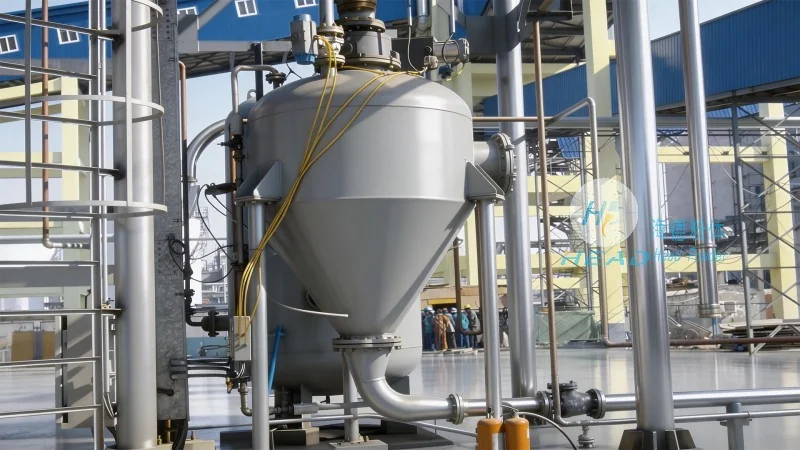
HeadPowder, formally known as Shandong HeadPowder Engineering Co., Ltd., is headquartered in Shandong, China. The company is dedicated to developing and manufacturing high-efficiency pneumatic conveying systems tailored for various industrial applications, including the handling of heavy calcium powder.
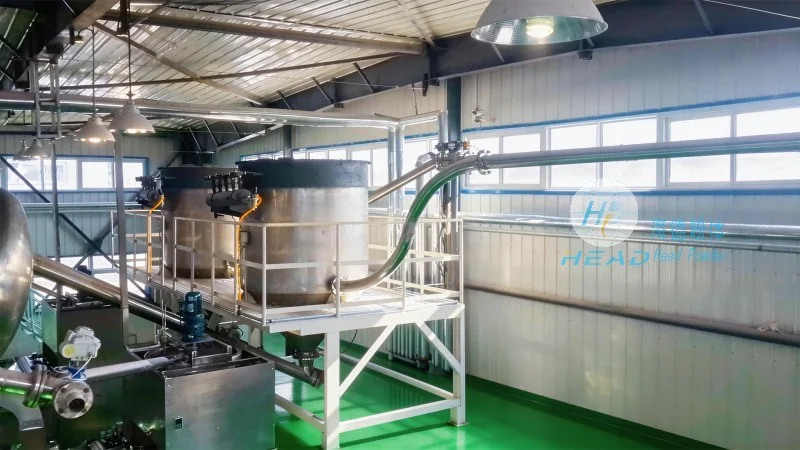
Working Principle of Pneumatic Conveying for Heavy Calcium Powder
Pneumatic conveying, also known as air conveying, is a method that uses compressed air to transport bulk materials like heavy calcium powder through a pipeline. The process typically involves several key components and steps. First, the heavy calcium powder is fed into a hopper or feeder, where it is then introduced into a pipeline. Compressed air, generated by a blower or compressor, is introduced into the pipeline, creating a flow that carries the powder particles. The air velocity is crucial; it must be sufficient to overcome the gravitational force and friction within the pipeline, ensuring the powder is suspended and transported to the destination. The system may include elements such as a dust collector, cyclone separator, or filter to remove any fine particles from the air stream, maintaining air quality and preventing material loss. The entire process is controlled by a system of valves, sensors, and controls to regulate the flow rate and pressure, ensuring consistent and reliable operation.
Key Characteristics of Pneumatic Conveying for Heavy Calcium Powder
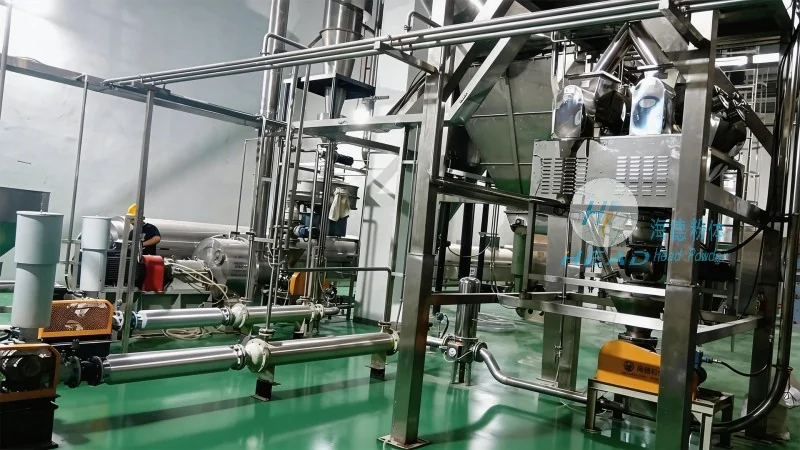
The pneumatic conveying of heavy calcium powder exhibits several notable characteristics that make it an attractive option for industrial applications. One of the primary advantages is its ability to handle abrasive materials like heavy calcium powder without causing significant wear to the system components. The enclosed pipeline system minimizes dust exposure, enhancing workplace safety and environmental compliance. Additionally, this method allows for the transportation of materials over long distances with minimal loss and high efficiency. The system can be designed for both positive and negative pressure operation, providing flexibility in different industrial settings. Another key characteristic is the ease of integration with other processing equipment, as the conveying system can be connected directly to mixers, reactors, or storage tanks. The process is also relatively low in maintenance compared to other bulk material handling methods, as it avoids the need for mechanical components like belts or buckets that are prone to wear and tear. Furthermore, the pneumatic conveying system can handle varying particle sizes and moisture content, making it versatile for different heavy calcium powder applications.
Conclusion
HeadPowder's expertise in pneumatic conveying technology provides industrial clients with reliable and efficient solutions for handling heavy calcium powder. By understanding the working principle and characteristics of this process, businesses can optimize their material handling operations, improve productivity, and ensure compliance with safety and environmental standards. The company's commitment to innovation and quality ensures that its systems meet the diverse needs of various industries, from manufacturing to construction, where heavy calcium powder is a critical component.