

Working Principle and Characteristics of Foam Material Pneumatic Conveying
Understanding the working principle and characteristics of foam material pneumatic conveying is crucial for industries that handle bulk materials efficiently. This article explores the fundamental mechanisms behind this technology and highlights its key attributes, providing insights into how it operates and its practical applications.
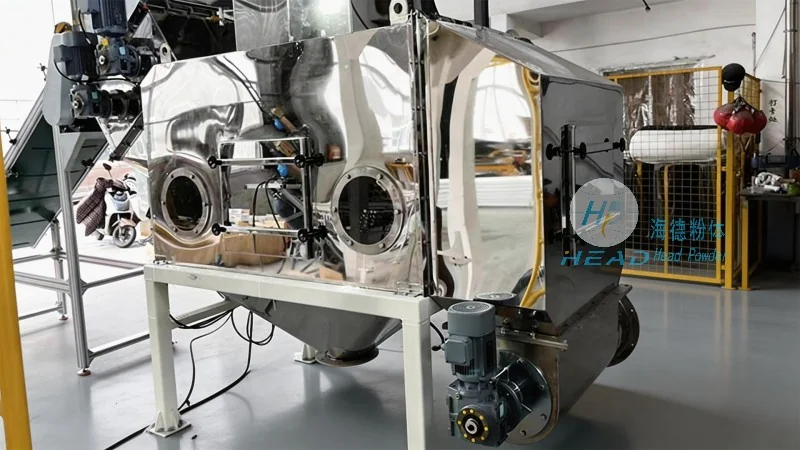
Overview of Foam Material Pneumatic Conveying
Foam material pneumatic conveying is a specialized method used to transport bulk materials through a pipeline using a mixture of air and foam. This technique is particularly effective for handling fine powders and granular materials that are prone to dusting or caking. The process involves creating a stable foam structure that carries the material along the conveying line, ensuring minimal material degradation and efficient transport.

The Working Principle of Foam Material Pneumatic Conveying
At the core of foam material pneumatic conveying is the generation of a stable foam by mixing air with a liquid carrier, typically water or a specialized foam solution. The foam acts as a carrier medium, entraining the solid particles and transporting them through the pipeline. The key steps in the process include: foam generation, material loading into the foam, transportation through the pipeline, and foam collapse or separation at the destination point. The foam's ability to maintain a low velocity and high volume of air ensures that the material is conveyed without excessive pressure drops or particle degradation.
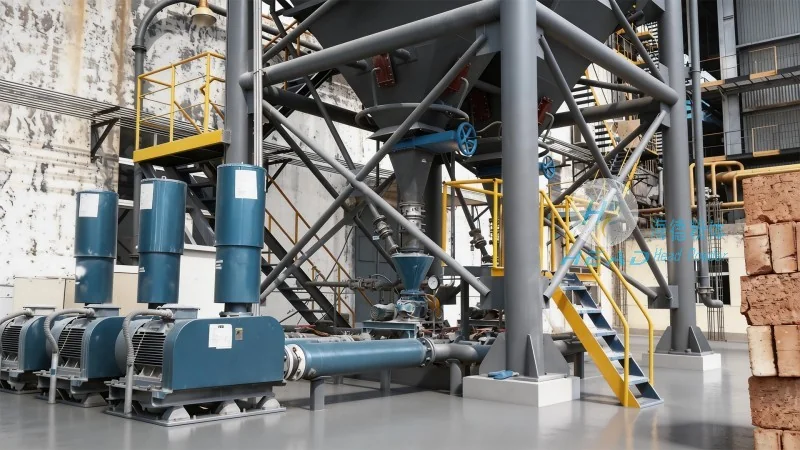
Key Characteristics of Foam Material Pneumatic Conveying
Several distinct characteristics make foam material pneumatic conveying an attractive option for material handling. First, it offers a high conveying capacity with low energy consumption compared to traditional pneumatic conveying methods. The foam's lubricating properties reduce friction between the material and the pipeline, minimizing wear and tear. Second, it provides excellent dust control, as the foam encapsulates the particles, preventing dust emissions and improving workplace safety. Third, the process is flexible and can handle a wide range of materials, from fine powders to larger granules, with minimal adjustments to the system. Additionally, foam material pneumatic conveying is relatively low in maintenance, as it uses simple components and avoids the high pressures associated with other conveying systems.
Applications and Benefits in Industrial Settings
Foam material pneumatic conveying is widely used in various industries, including pharmaceuticals, food processing, and chemical manufacturing. Its benefits are evident in applications where material integrity and environmental compliance are critical. For example, in the pharmaceutical industry, the technology ensures that sensitive powders are transported without contamination or degradation, maintaining product quality. In food processing, it helps in conveying ingredients while preserving their freshness and preventing cross-contamination. The chemical industry benefits from the efficient transport of reactive powders without the risk of spontaneous combustion or explosion, as the foam reduces the oxygen concentration in the system.
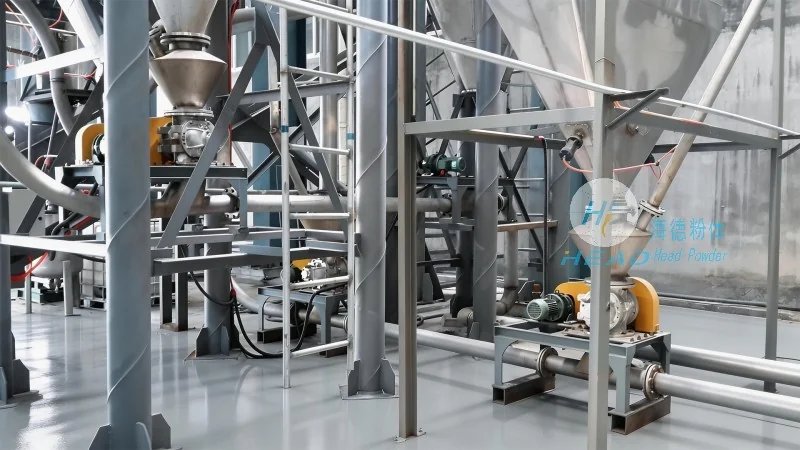
Company Profile: Shandong HeadPowder Engineering Co., Ltd.
HeadPowder, a leading manufacturer in the field of material handling equipment, specializes in providing advanced solutions for pneumatic conveying systems. With a strong focus on innovation and customer satisfaction, the company has developed state-of-the-art foam material pneumatic conveying systems that meet the highest industry standards. HeadPowder's products are designed to enhance operational efficiency, reduce maintenance costs, and improve overall productivity for clients worldwide. The company's headquarters is located in Shandong, China, where it leverages local expertise and resources to deliver cutting-edge solutions tailored to the specific needs of each industry.