

Working Principle and Characteristics of Pneumatic Conveying for Talc Powder Materials
HeadPowder, a leading enterprise in the field of powder handling technology, specializes in the design, manufacturing, and installation of pneumatic conveying systems tailored for talc powder applications. With a strong presence in Shandong, China, the company leverages decades of industry expertise to deliver efficient and reliable solutions for material transport in various industrial settings.
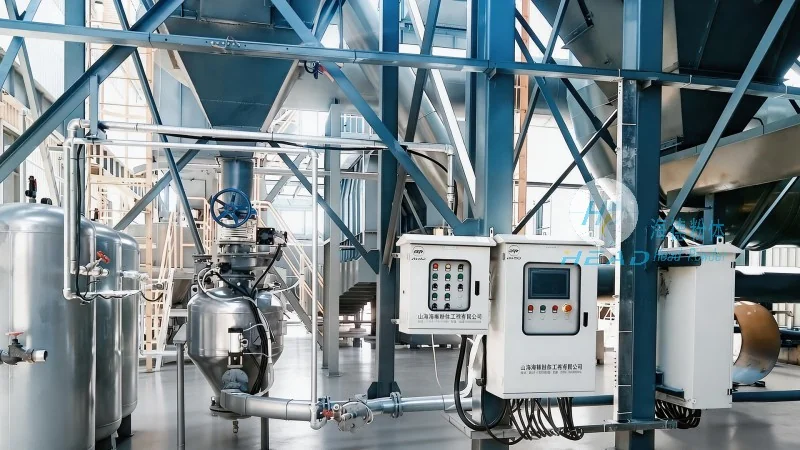
Talc powder, known for its softness, lubricity, and excellent thermal stability, is widely used in industries such as cosmetics, ceramics, and pharmaceuticals. Traditional conveying methods like belt conveyors or bucket elevators may face challenges with talc powder due to its fine particle size and tendency to clog or degrade. Pneumatic conveying offers a superior alternative, providing a clean, dust-free, and energy-efficient means of transporting talc powder from source to destination.
Working Principle of Talc Powder Pneumatic Conveying
The core of talc powder pneumatic conveying lies in the use of air as the conveying medium. The system typically consists of a material feed hopper, a rotary valve or feeder, a conveying line (often with bends and filters), and a discharge hopper or collection unit. The process begins with the talc powder being fed into the hopper. A rotary valve or feeder then meters the powder into the conveying line, where it is entrained by a high-velocity air stream. The air-powder mixture travels through the pipeline, overcoming gravitational and frictional forces, and is eventually deposited in the discharge hopper. The air, now free of powder, is filtered and returned to the system or released to the atmosphere.
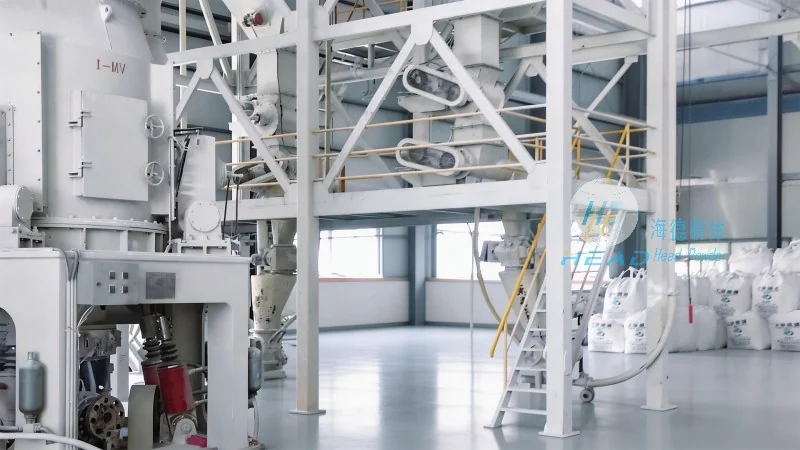
There are two primary types of pneumatic conveying systems: dilute-phase and dense-phase. Dilute-phase systems operate at higher air velocities (typically 20-30 m/s) and lower powder concentrations, making them suitable for long-distance or high-capacity transport. Dense-phase systems, on the other hand, use lower air velocities (5-15 m/s) and higher powder concentrations, which reduces particle degradation and is ideal for handling sensitive materials like talc powder. The choice between these systems depends on the specific requirements of the talc powder application, including particle size, moisture content, and the distance between the feed and discharge points.
Key Characteristics of Talc Powder Pneumatic Conveying Systems
Efficiency and Reliability: Pneumatic conveying systems for talc powder offer high efficiency in material transport, with minimal downtime and maintenance requirements. The enclosed pipeline design prevents dust contamination, ensuring that the talc powder remains in its original state, which is crucial for applications where purity is paramount, such as in cosmetics or pharmaceuticals.
Cleanliness and Hygiene: Unlike mechanical conveyors, pneumatic systems do not come into direct contact with the powder, reducing the risk of cross-contamination and maintaining the product's quality. This is particularly important for talc powder used in food or medical industries, where strict hygiene standards must be met.
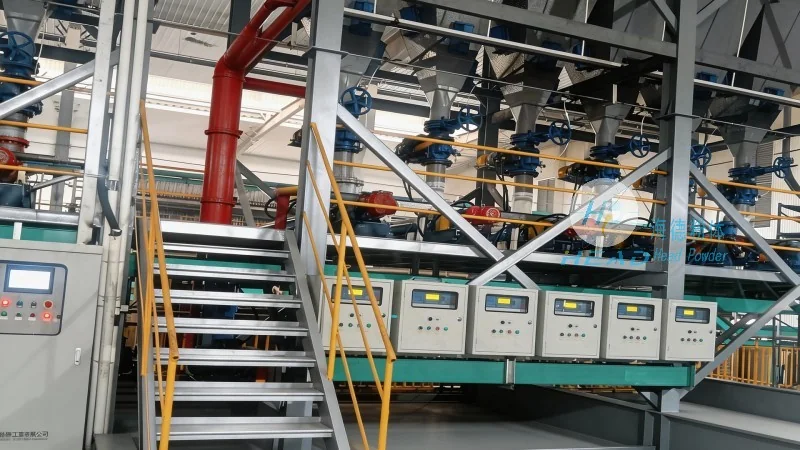
Energy Efficiency: Modern pneumatic conveying systems are designed to optimize energy consumption. By using appropriate air velocities and system configurations, the energy required for talc powder transport can be significantly reduced compared to traditional methods. This not only lowers operational costs but also aligns with sustainability goals in industrial operations.
Flexibility and Scalability: The modular design of pneumatic conveying systems allows for easy expansion or modification to accommodate changing production needs. Whether a facility needs to increase talc powder throughput or add additional discharge points, the system can be adapted without major overhauls. This flexibility is essential for businesses that experience fluctuations in demand or are planning for future growth.
Low Maintenance: Pneumatic conveying systems have fewer moving parts compared to mechanical conveyors, which reduces the likelihood of mechanical failure and lowers maintenance costs. The absence of belts, chains, or buckets eliminates the need for frequent replacement or adjustment, contributing to the overall reliability of the system.
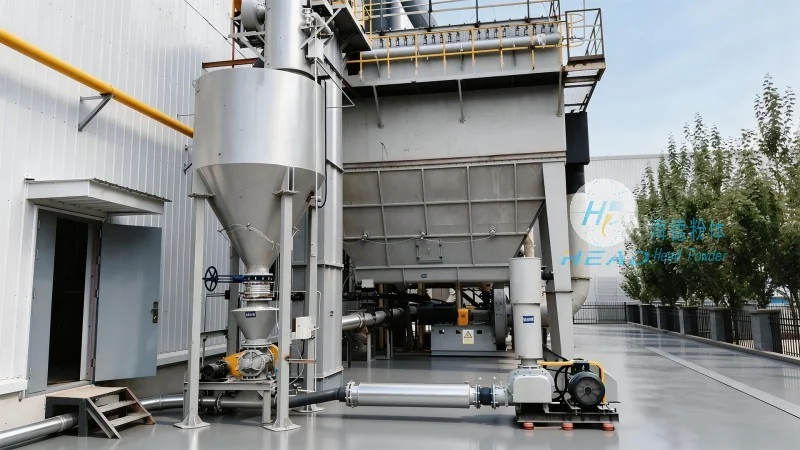
Environmental Considerations: Pneumatic conveying systems are inherently more environmentally friendly than open-air or mechanical conveyors. The enclosed pipeline design minimizes dust emissions, reducing the impact on the surrounding environment and ensuring compliance with environmental regulations. Additionally, the system can be equipped with advanced filtration and dust collection systems to further enhance its environmental performance.
In conclusion, pneumatic conveying for talc powder is a highly effective and versatile method of material transport. By understanding the working principles and key characteristics of these systems, industries can make informed decisions to improve their operational efficiency, product quality, and overall sustainability. HeadPowder, with its expertise and commitment to innovation, continues to provide cutting-edge solutions that meet the evolving needs of the talc powder industry.