

Working Principle and Features of Calcium Phosphate Powder Pneumatic Conveying Equipment
For industries dealing with calcium phosphate powders, efficient and reliable material handling is crucial. Pneumatic conveying systems offer a solution that minimizes dust, reduces contamination risks, and enhances operational safety. This article explores the working principle and key features of calcium phosphate powder pneumatic conveying equipment, highlighting how such systems can optimize production processes in pharmaceutical, food, and chemical sectors.
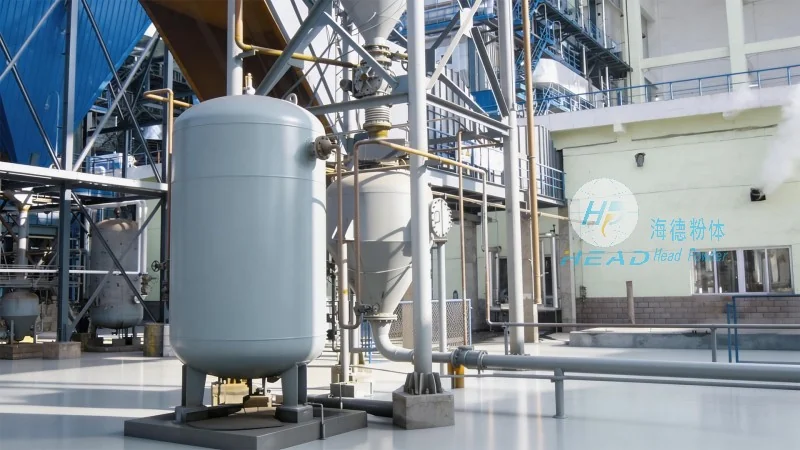
Working Principle of the Pneumatic Conveying Equipment
The core of a calcium phosphate powder pneumatic conveying system is its ability to transport dry powders using air pressure. The system typically consists of a hopper, a conveyor line, and a receiver. When the material is introduced into the hopper, it is drawn into the conveyor line by a vacuum or pressure differential. The air flow, controlled by a blower or fan, propels the powder through the pipeline to the destination. This process ensures that the powder moves smoothly without clogging, maintaining consistent flow rates and preventing material degradation.
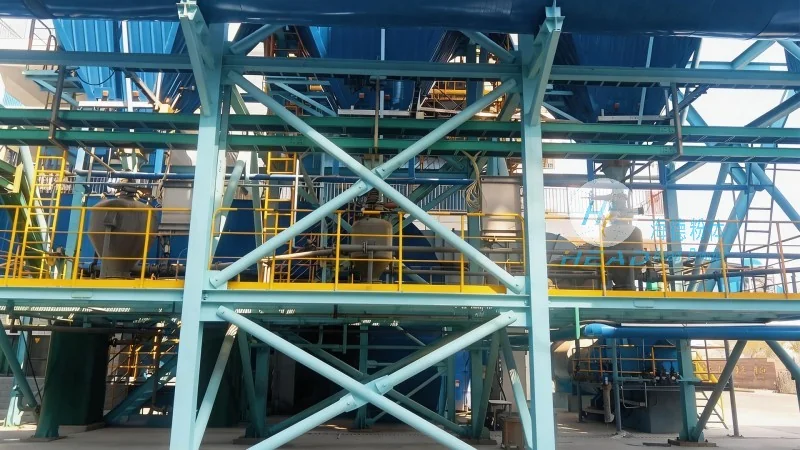
Key Features and Advantages
One of the standout features of calcium phosphate powder pneumatic conveying equipment is its dust-free operation. Unlike traditional mechanical conveyors, which can generate significant dust, pneumatic systems enclose the material, reducing exposure risks for operators and minimizing environmental contamination. Additionally, these systems offer flexibility in layout, allowing for horizontal, vertical, or complex path configurations to suit different plant designs. The equipment also provides precise control over flow rates, enabling accurate dosing and reducing waste. Another advantage is the ability to handle a wide range of particle sizes and moisture contents, making it suitable for various calcium phosphate formulations used in pharmaceuticals and food additives.
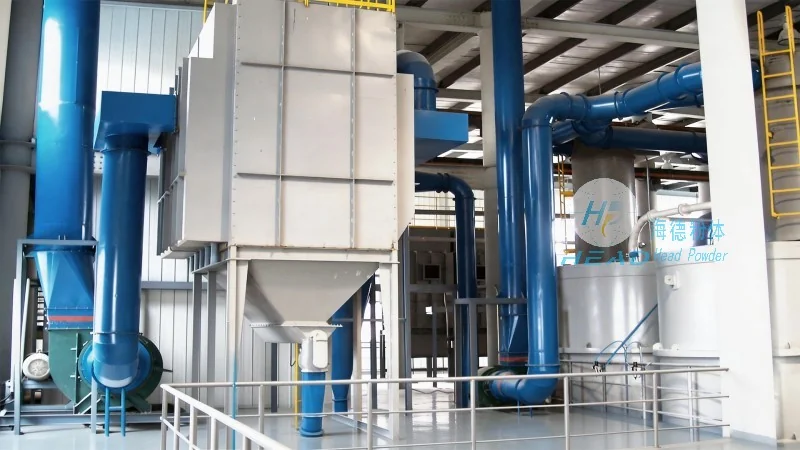
Technical Specifications and Design Considerations
When selecting a calcium phosphate powder pneumatic conveying system, several technical specifications and design elements are critical. The system's capacity, measured in terms of material flow rate (e.g., kg/h or ton/h), must align with production demands. The pipeline diameter and material of construction (such as stainless steel or food-grade plastics) are also important, as they affect resistance to corrosion and wear. The blower or vacuum system's power and efficiency are key to maintaining consistent air pressure, ensuring reliable transport. Furthermore, the system's design should include features like automatic cleaning and maintenance access points to minimize downtime and operational costs. For applications involving food-grade calcium phosphate, compliance with regulatory standards (e.g., FDA, EU) is essential, which often dictates the choice of materials and construction methods.
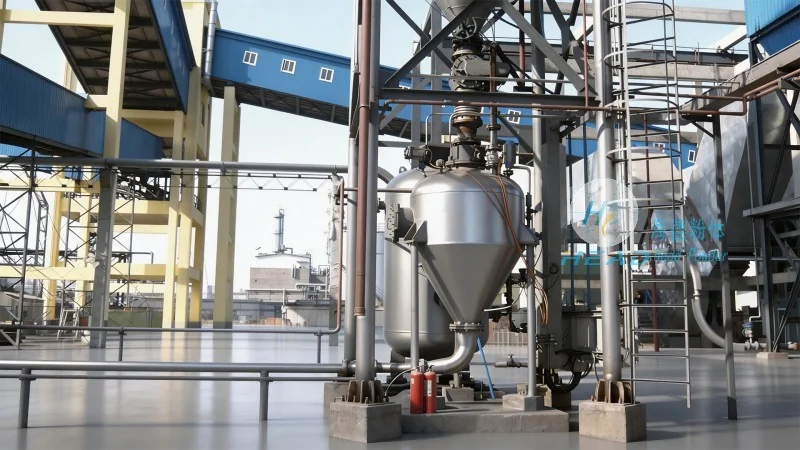
Application Scenarios and Industry Benefits
Calcium phosphate powder pneumatic conveying systems are widely used in several industries. In the pharmaceutical sector, they are employed to transport raw materials for drug formulations, ensuring that the powders remain sterile and free from contamination. In the food industry, these systems handle calcium phosphate used as a nutritional supplement or fortifier in products like dairy, beverages, and baked goods. The chemical industry also benefits from such systems when processing calcium phosphate for use in fertilizers or industrial coatings. The primary benefits across these applications include improved product quality through reduced contamination, enhanced safety for operators due to enclosed systems, and increased efficiency through automated material handling. By integrating pneumatic conveying into production lines, companies can achieve higher throughput, lower labor costs, and better overall process control.