

Working Principle and Characteristics of Pneumatic Conveying for Starch Materials
Starch material handling is a critical process in the food and chemical industries, where efficient and reliable transportation of starch powders is essential for maintaining production efficiency and product quality. Pneumatic conveying systems have emerged as a preferred solution for this application, offering a range of advantages over traditional mechanical conveying methods. This article explores the working principle and key characteristics of pneumatic conveying for starch materials, highlighting how these systems enhance operational performance in starch processing facilities.
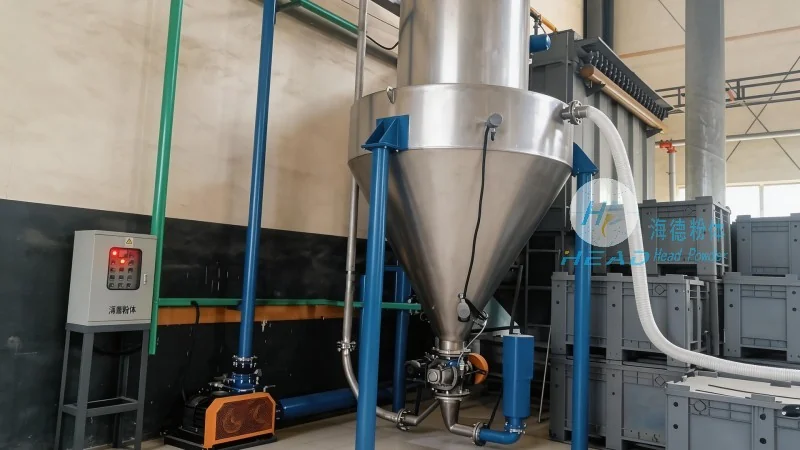
Working Principle of Pneumatic Conveying for Starch Materials
The core of pneumatic conveying for starch materials lies in the use of air to transport the material through a pipeline. There are two primary modes of operation: aspiration (or suction) conveying and pressure (or positive) conveying. In aspiration systems, a vacuum is created at the material inlet to draw the starch particles into the pipeline, while the air flow carries them to the discharge point. This method is ideal for applications where the material needs to be transported from a lower elevation or over short distances. Conversely, pressure conveying uses compressed air to push the starch material through the pipeline, typically from a higher elevation or over longer distances. Both modes rely on the principle of air flow to move the material, with the system designed to maintain consistent air velocity to ensure efficient transport without particle degradation.

Key Characteristics of Pneumatic Conveying for Starch Materials
Pneumatic conveying systems for starch materials exhibit several distinct characteristics that make them suitable for industrial applications. Firstly, hygienic and clean operation is a major advantage, as the enclosed pipeline design prevents contamination from external sources and minimizes dust exposure, which is crucial for food-grade starch products. Secondly, flexibility in system design allows for customization to fit various production layouts, including horizontal, vertical, or mixed configurations. This adaptability enables manufacturers to integrate the system into existing facilities without major structural modifications. Thirdly, energy efficiency is achieved through optimized air flow management, reducing energy consumption compared to traditional conveying methods. Additionally, low maintenance requirements are a benefit, as the system components are designed for durability and minimal wear, resulting in lower operational costs over time. Finally, high material handling capacity is possible, with the ability to transport large volumes of starch at consistent rates, supporting high-throughput production lines.
Application Benefits in Starch Processing
The implementation of pneumatic conveying systems in starch processing facilities offers significant benefits that directly impact operational efficiency and product quality. By eliminating the need for manual handling or mechanical conveyors, the risk of product contamination and operator exposure to dust is reduced. The enclosed system also helps maintain consistent moisture levels and prevents caking or agglomeration of starch particles, which can affect downstream processing steps. Furthermore, the ability to transport starch materials over vertical and horizontal distances without intermediate storage points streamlines the production workflow, reducing downtime and increasing overall productivity. These advantages make pneumatic conveying an indispensable technology for modern starch processing operations.
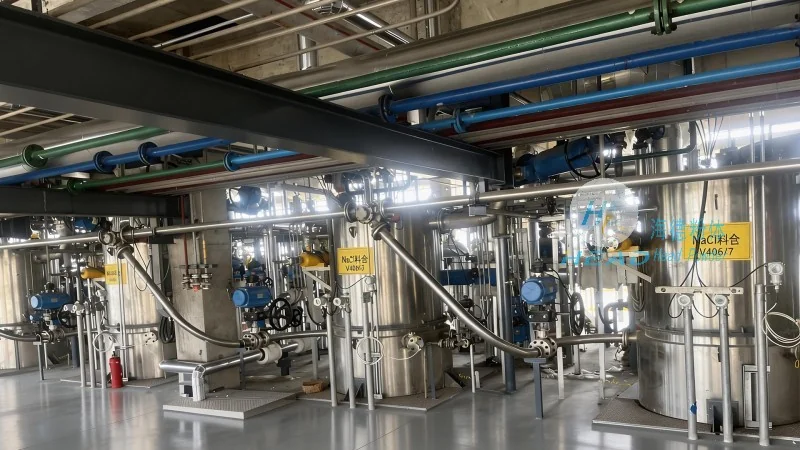
Company Introduction and Expertise
Shandong HeadPowder Engineering Co., Ltd., commonly known as HeadPowder, is a leading provider of pneumatic conveying solutions tailored for starch material handling. With a focus on industrial applications, HeadPowder specializes in designing and manufacturing customized pneumatic conveying systems that meet the specific needs of starch processing facilities. The company’s expertise lies in understanding the unique challenges of starch materials, such as their fine particle size and hygienic requirements, and developing solutions that address these challenges effectively. HeadPowder’s team of engineers and technicians work closely with clients to assess their production processes, recommend optimal system configurations, and ensure seamless integration of the conveying equipment. By leveraging advanced technology and rigorous quality control, HeadPowder delivers reliable and efficient pneumatic conveying systems that enhance the performance and safety of starch processing operations.