

Working Principle and Characteristics of Pneumatic Conveying for Dry Sand Materials
For industrial applications involving the handling of dry sand materials, pneumatic conveying systems offer an efficient and reliable method of material transport. Understanding the working principle and key characteristics of such systems is crucial for selecting the appropriate technology for specific operational needs. This article provides an overview of the fundamental mechanisms and features of pneumatic conveying for dry sand, highlighting how these systems operate and their distinct advantages in material handling.
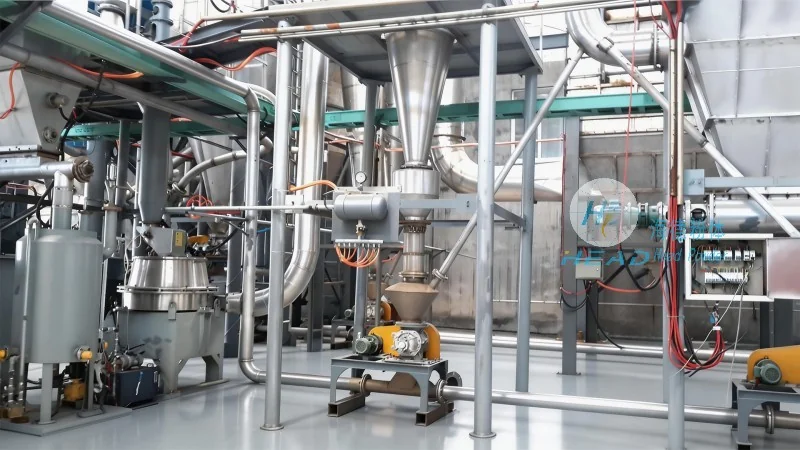
Working Principle of Pneumatic Conveying for Dry Sand
Pneumatic conveying systems operate by transporting dry sand particles through a pipeline using a stream of air or other gas. The core principle involves creating a pressure differential that propels the material along the conveying line. There are primarily two types of pneumatic conveying systems: pressure and vacuum systems. In pressure systems, air is compressed and introduced at the discharge end of the pipeline, pushing the material forward. Conversely, vacuum systems create a negative pressure at the intake end, drawing the material into the pipeline and moving it toward the discharge point. The selection between pressure and vacuum systems depends on factors such as the distance of material transport, the required flow rate, and the nature of the dry sand being handled.
The process begins with the dry sand being fed into the conveying line at the intake point. The air or gas is then introduced, either by a blower or compressor in pressure systems, or by a vacuum pump in vacuum systems. As the air flows through the pipeline, it suspends the sand particles, creating a dense phase or dilute phase flow. The dense phase conveying involves a higher concentration of material in the air stream, which is suitable for longer distances and reduces the risk of particle degradation. Dilute phase conveying, on the other hand, uses a lower material concentration, making it ideal for shorter distances and applications where minimal pressure drop is required. The choice between dense and dilute phase depends on the specific characteristics of the dry sand, including particle size, density, and moisture content.
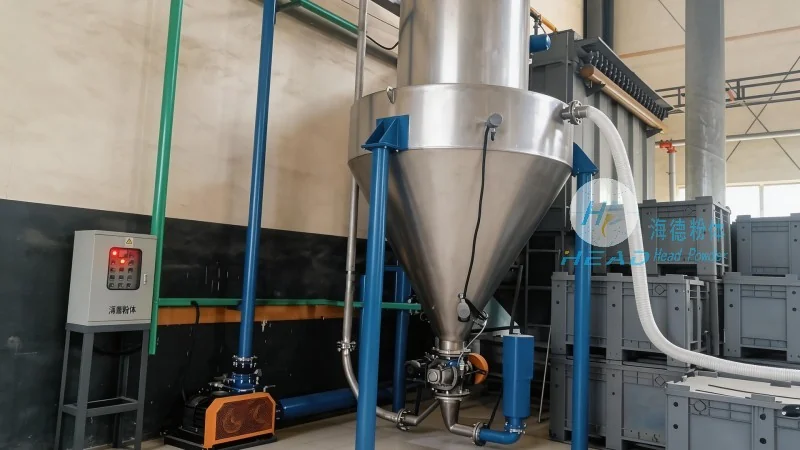
Key Characteristics of Pneumatic Conveying for Dry Sand
Several key characteristics define the performance and suitability of pneumatic conveying systems for dry sand materials. These features include efficiency, flexibility, and the ability to handle various dry sand types. One of the primary advantages is the ability to transport dry sand without the need for mechanical components like belts or buckets, which reduces maintenance and operational costs. The systems are also highly flexible, allowing for changes in the conveying route or flow rate without significant modifications to the infrastructure. Additionally, pneumatic conveying can handle a wide range of dry sand particle sizes and shapes, from fine powders to coarse granules, making it versatile for different industrial applications.
Another important characteristic is the system's ability to maintain the integrity of the dry sand particles. Unlike mechanical systems that may cause abrasion or degradation, pneumatic conveying minimizes particle damage, which is critical for applications where the quality of the dry sand is essential. The system also offers better control over the material flow, allowing for precise regulation of the conveying rate and pressure. This control is particularly beneficial in processes where consistent material delivery is required, such as in manufacturing or processing plants.
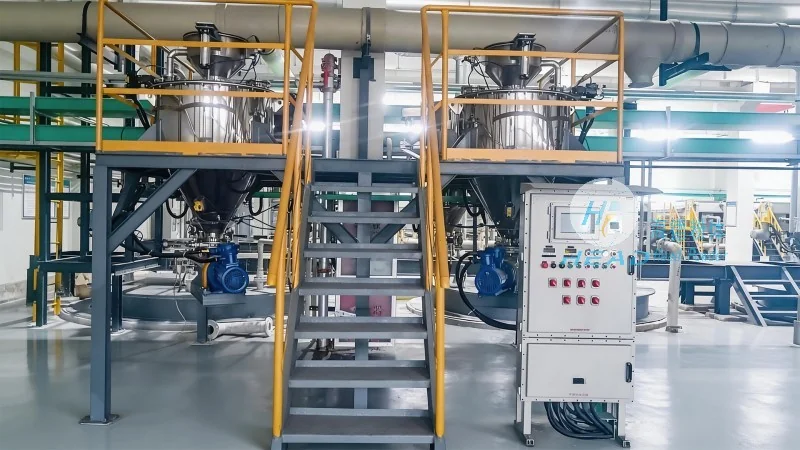
Furthermore, pneumatic conveying systems are designed to be compact and space-efficient, which is advantageous in facilities with limited space. The pipeline layout can be customized to fit the existing infrastructure, and the system can be integrated with other processing equipment without significant disruptions. This adaptability makes pneumatic conveying a practical solution for various industrial settings, including construction sites, mining operations, and manufacturing facilities.
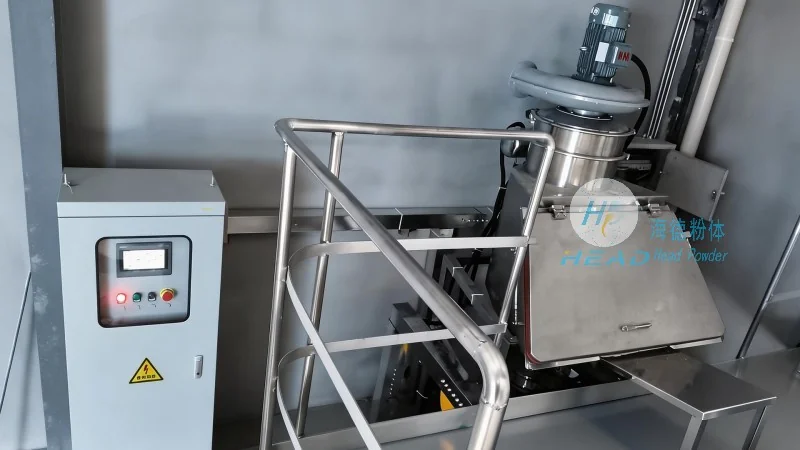
Applications and Considerations for Dry Sand Pneumatic Conveying
Pneumatic conveying systems are widely used in industries that handle dry sand materials, such as construction, mining, and manufacturing. In construction, these systems are employed to transport sand for concrete production, ensuring a consistent and efficient supply of raw materials. In mining operations, pneumatic conveying is used to transport sand from storage silos to processing plants, reducing the need for manual handling and improving safety. Manufacturing facilities also utilize these systems to convey sand for various production processes, such as casting and molding, where precise material control is essential.
When implementing a pneumatic conveying system for dry sand, several considerations must be taken into account. The first is the selection of the appropriate system type based on the distance and flow rate requirements. For short distances, vacuum systems may be sufficient, while longer distances may require pressure systems. The second consideration is the material characteristics, including particle size, density, and moisture content, as these factors influence the choice between dense and dilute phase conveying. Additionally, the system's capacity and pressure requirements must be matched to the operational needs to ensure optimal performance. Proper maintenance and monitoring of the system components, such as the blower, pipeline, and filters, are also crucial to prevent downtime and ensure long-term reliability.