

Working Principle and Characteristics of Fly Ash Material Pneumatic Conveying
At Shandong HeadPowder Engineering Co., Ltd., we specialize in the design and implementation of advanced pneumatic conveying systems tailored for fly ash material handling. The working principle of these systems revolves around the use of air as the conveying medium to transport solid particles, such as fly ash, from one location to another. There are primarily two types of pneumatic conveying systems: positive pressure and negative pressure (or vacuum) systems. In a positive pressure system, high-pressure air is generated by a blower and directed through a pipeline, carrying the fly ash particles along with it. The air pressure is maintained above atmospheric pressure throughout the conveying line, ensuring the material is continuously moved. This method is particularly effective for long-distance and high-capacity applications, as it can handle a wide range of particle sizes and densities. The positive pressure system typically uses a rotary airlock or a feeder at the material source to introduce the fly ash into the pipeline, where it is then entrained by the high-velocity air stream. The air and fly ash mixture exits the pipeline at the destination, where a separator or cyclone separates the fly ash from the air, allowing the air to be recirculated or discharged, while the fly ash is collected for further use or disposal.
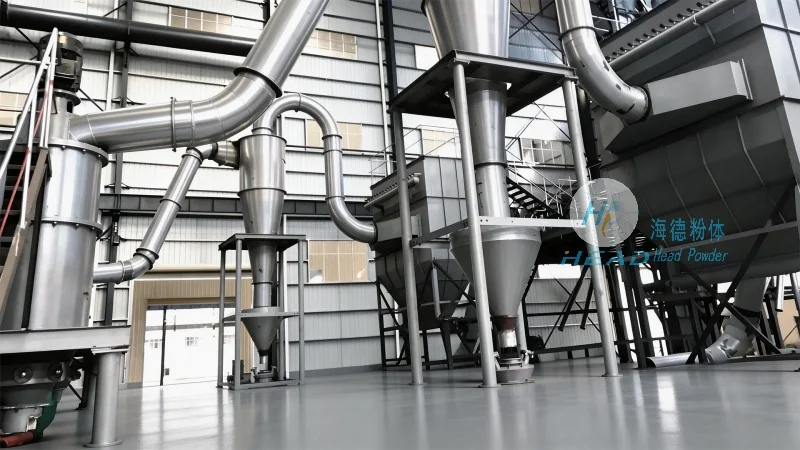
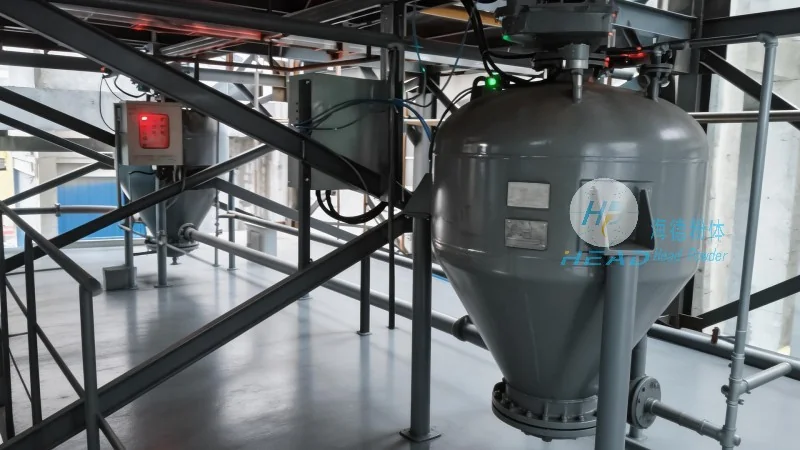
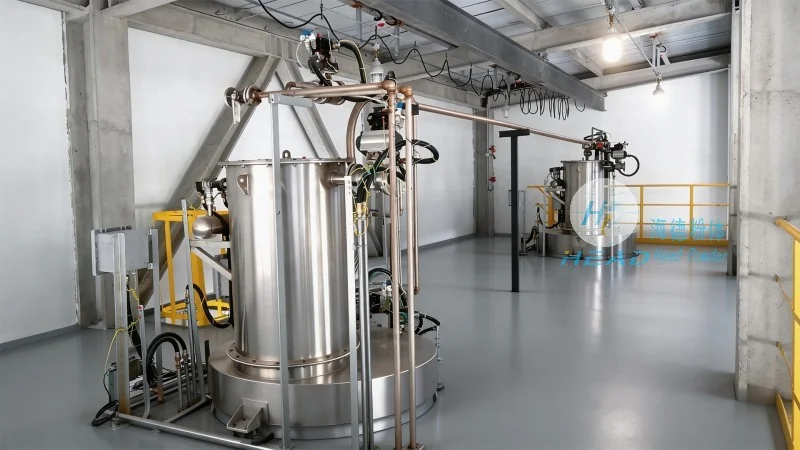
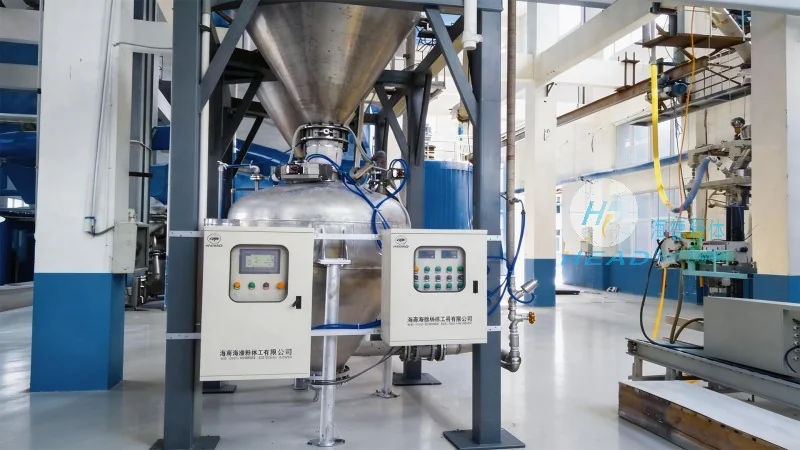
Key Characteristics of Fly Ash Pneumatic Conveying
When considering the characteristics of fly ash material pneumatic conveying, several factors stand out as critical for efficient operation. First, the system's efficiency in terms of energy consumption and material transport rate is a major advantage. By using air as the conveying medium, the system can achieve high throughput with relatively low power input compared to traditional mechanical conveying methods like belt conveyors or screw conveyors. This makes it an ideal solution for industrial applications where large volumes of fly ash need to be moved over significant distances. Another key characteristic is the ability to handle abrasive and fine particles without causing excessive wear on the equipment. Fly ash particles are often small and can be abrasive, but the design of the conveying system, including the selection of appropriate materials for the pipeline and components, ensures long service life and minimal maintenance. The system also offers flexibility in terms of layout, as the pipeline can be installed in various configurations, including vertical, horizontal, or a combination of both, to suit the specific site conditions and process requirements. This adaptability is crucial for industrial plants where space constraints or existing infrastructure may limit the options for traditional conveying methods. Additionally, the environmental benefits of pneumatic conveying are significant. By enclosing the material in a pipeline, the system prevents dust emissions and airborne contamination, which is essential for maintaining a clean and safe working environment. This is particularly important for fly ash, which can be a source of fine particulate matter that may affect air quality and worker health. The system's ability to control dust and minimize environmental impact makes it a preferred choice for modern industrial facilities. Furthermore, the system's reliability and low maintenance requirements contribute to its overall effectiveness. With properly designed components and regular maintenance, pneumatic conveying systems can operate continuously with minimal downtime, ensuring consistent performance and reducing operational costs over time. The use of high-quality materials and robust design in the construction of the system components, such as the blower, pipeline, and separators, enhances its durability and longevity. This reliability is essential for industrial applications where consistent material flow is critical for production continuity. In summary, the working principle and characteristics of fly ash material pneumatic conveying systems, as provided by Shandong HeadPowder Engineering Co., Ltd., offer a highly efficient, flexible, and environmentally friendly solution for handling fly ash in industrial settings. By leveraging the power of air to transport solid particles, these systems address the challenges of traditional conveying methods while providing superior performance and operational benefits.