

What is a Thermoplastic Polyurethane Pneumatic Conveying System Equipment? What is its Design Princi
Thermoplastic polyurethane (TPU) pneumatic conveying systems represent a sophisticated solution for material handling in various industrial applications. These systems utilize air or gas to transport bulk materials, offering advantages such as flexibility, efficiency, and the ability to handle a wide range of particle sizes and types. The equipment involved in such systems is engineered to ensure reliable and effective material transport, often incorporating components like hoppers, feeders, conveying lines, and control units. Understanding the core components and the underlying design principles is crucial for optimizing performance and meeting specific operational requirements.
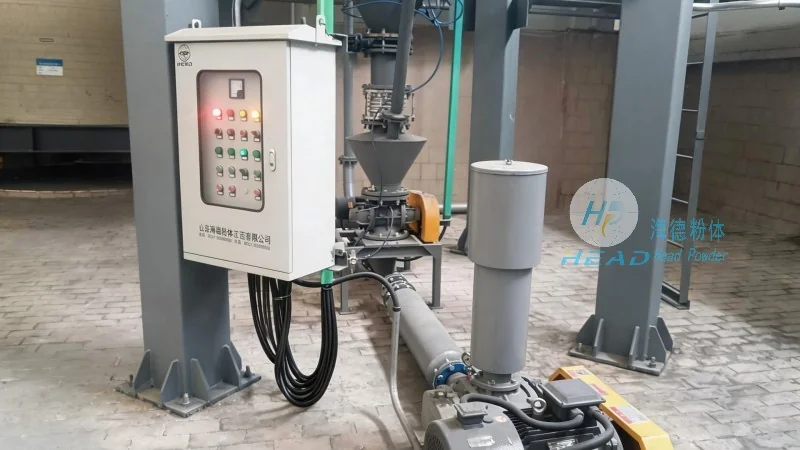
Key Components of a Thermoplastic Polyurethane Pneumatic Conveying System
The thermoplastic polyurethane pneumatic conveying system typically consists of several critical components that work in concert to facilitate material transport. The system begins with a hopper, which serves as the storage and feeding unit for the bulk material. The hopper is designed to maintain a consistent material level and provide a controlled feed rate to the system. Adjacent to the hopper is a feeder, which may be a rotary valve, a screw feeder, or a vibratory feeder, depending on the material characteristics and flow properties. The feeder regulates the amount of material entering the conveying line, ensuring a steady and uniform flow.
Next, the conveying line itself is a crucial component. Made from thermoplastic polyurethane, this line is chosen for its excellent abrasion resistance, flexibility, and chemical resistance, which are essential for withstanding the abrasive nature of many bulk materials and the dynamic forces during transport. The line is typically connected to a blower or a compressor that generates the necessary air or gas pressure to move the material. The blower or compressor is responsible for creating the airflow that propels the material particles through the system. Additionally, the system may include a filter or a cyclone separator to capture and collect the material at the discharge end, preventing dust and particles from being released into the environment.
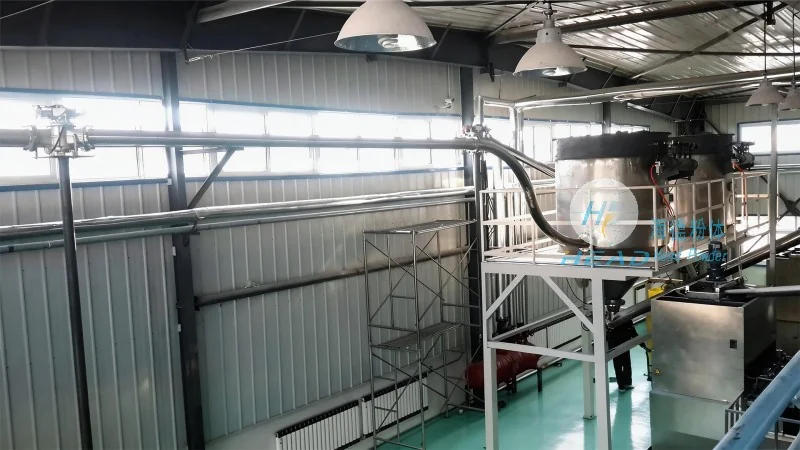
Design Principles Behind Thermoplastic Polyurethane Pneumatic Conveying Systems
The design of a thermoplastic polyurethane pneumatic conveying system is guided by several key principles aimed at maximizing efficiency, reliability, and durability. One of the primary design considerations is the selection of appropriate materials for the conveying line and components. Thermoplastic polyurethane is preferred due to its superior abrasion resistance, which minimizes wear and tear from the abrasive particles being transported. This material also offers flexibility, allowing the system to accommodate bends and curves in the conveying path without compromising performance. Furthermore, TPU's chemical resistance ensures that the system can handle a variety of materials, including those that may be corrosive or reactive.
Another critical design principle is the optimization of airflow and pressure. The system must be designed to maintain a consistent and sufficient airflow to ensure that the material particles are adequately entrained and transported. The blower or compressor must be sized appropriately to provide the necessary pressure and volume of air to overcome the resistance in the conveying line and the material's density. Proper design of the hopper and feeder also plays a role in ensuring that the material is fed smoothly and consistently, preventing blockages or uneven flow that could lead to system inefficiencies.
Efficiency and energy conservation are also important design considerations. The system is designed to minimize energy consumption while maintaining optimal performance. This includes using components that are aerodynamically efficient, such as smooth conveying lines and properly sized blower units, to reduce the energy required to move the material. Additionally, the system may incorporate features like variable speed drives or pressure regulators to adjust the airflow and pressure as needed, further enhancing energy efficiency.
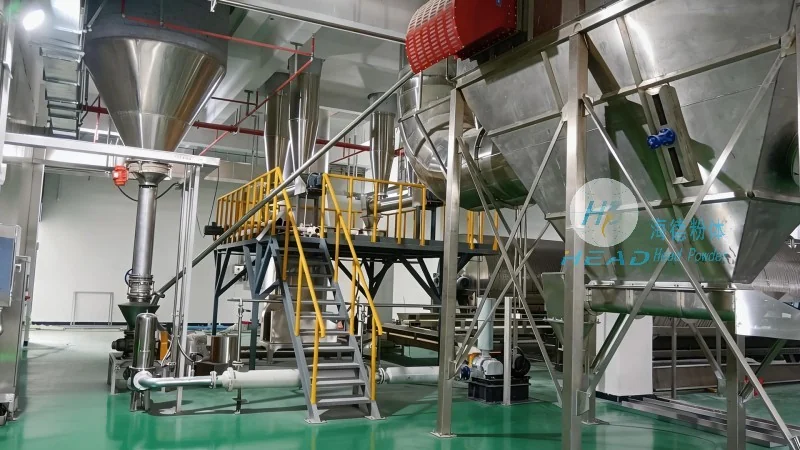
Applications and Benefits of Thermoplastic Polyurethane Pneumatic Conveying Systems
Thermoplastic polyurethane pneumatic conveying systems are widely used in various industries, including food processing, pharmaceuticals, chemicals, and mining. These systems are particularly advantageous for handling materials that are sensitive to contamination, require a clean and hygienic environment, or need to be transported over long distances. The use of thermoplastic polyurethane materials ensures that the system is non-reactive and easy to clean, making it suitable for applications where product purity is paramount. Additionally, the flexibility of the conveying line allows for easy integration into existing production lines, reducing installation time and costs.
The benefits of these systems extend beyond material handling efficiency. They offer advantages such as reduced labor costs, as the system can operate with minimal human intervention once set up. The compact design of the equipment also allows for space-saving installations, which is beneficial in facilities with limited floor space. Furthermore, the system's ability to handle a wide range of materials and particle sizes makes it a versatile solution for various industrial needs.
About HeadPowder: Your Trusted Partner in Pneumatic Conveying Solutions
HeadPowder, or Shandong HeadPowder Engineering Co., Ltd., is a leading manufacturer and supplier of advanced pneumatic conveying systems, including those utilizing thermoplastic polyurethane materials. With a focus on innovation and quality, HeadPowder has established itself as a trusted partner for businesses seeking reliable and efficient material handling solutions. The company's expertise lies in designing and manufacturing systems that meet the specific needs of various industries, ensuring that clients receive customized solutions tailored to their operational requirements.
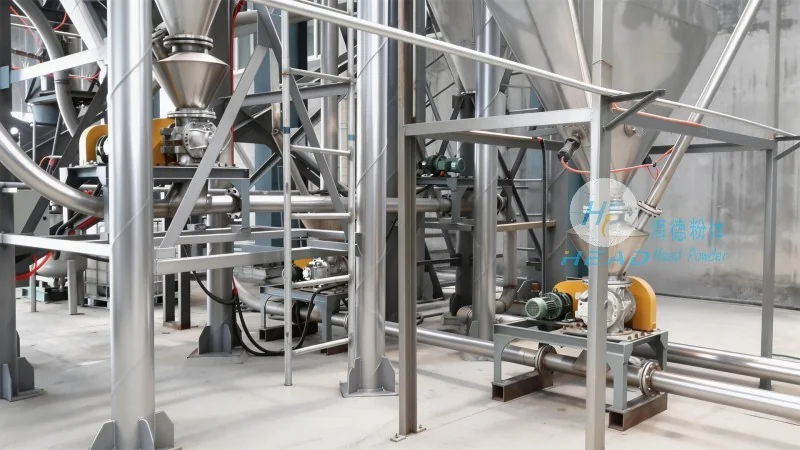
HeadPowder's commitment to excellence is reflected in its use of high-quality materials and advanced manufacturing processes. The company's thermoplastic polyurethane pneumatic conveying systems are engineered to provide long-lasting performance and durability, with components that are designed to withstand the rigors of industrial use. Additionally, HeadPowder offers comprehensive support services, including installation, maintenance, and technical assistance, to ensure that clients can maximize the lifespan and efficiency of their systems.
HeadPowder's headquarters is located in Shandong, China, where the company operates a state-of-the-art manufacturing facility equipped with the latest technology and equipment. This facility enables the company to produce high-quality products that meet international standards and client specifications. The company's team of experienced engineers and technicians work closely with clients to understand their unique challenges and develop solutions that address their specific needs.