

What is Nitrogen-Protected Powder Handling? Understanding Design Principles
Nitrogen-protected powder handling is a critical process in industries dealing with powders, especially those that are sensitive to moisture, oxidation, or contamination. This method involves using an inert gas, typically nitrogen, to create a protective atmosphere around the powder during transport, storage, and processing. The primary goal is to maintain the integrity of the powder by preventing exposure to air, which can lead to degradation, caking, or other quality issues. For industries such as pharmaceuticals, food processing, and chemical manufacturing, where product purity is paramount, nitrogen-protected powder handling is essential to ensure consistent and reliable outcomes.
Company Overview: HeadPowder Engineering
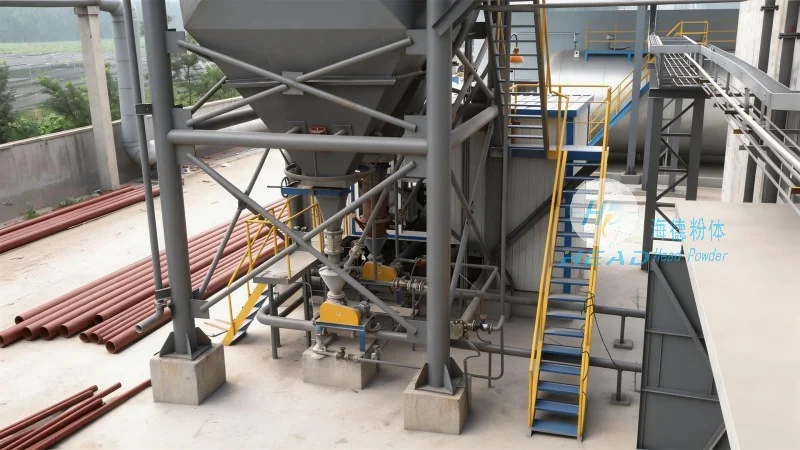
HeadPowder Engineering, a leading provider of powder handling solutions, specializes in designing and implementing systems that enhance the efficiency and safety of powder processing. With a strong presence in Shandong, China, the company has built a reputation for delivering high-quality, customized solutions tailored to the unique needs of various industries. The company’s expertise lies in integrating advanced technologies with robust engineering principles to address the challenges associated with powder handling, including dust control, material flow optimization, and environmental compliance. By focusing on innovation and customer-centric approaches, HeadPowder Engineering aims to support businesses in achieving their operational goals while maintaining the highest standards of product quality and safety.
Key Design Principles of Nitrogen-Protected Powder Systems
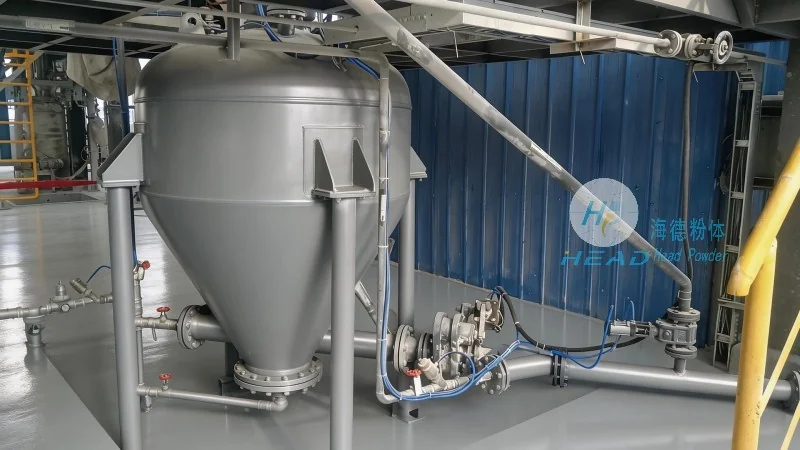
The design of nitrogen-protected powder handling systems revolves around several core principles that ensure effective protection and efficient operation. The first principle is the creation of an inert gas blanket around the powder. This is achieved by continuously supplying nitrogen gas to the system, which displaces air and creates a protective atmosphere. The gas flow rate and pressure are carefully controlled to maintain a stable environment, preventing the ingress of oxygen or moisture. Another critical principle is the use of sealed and airtight components throughout the system. This includes hoppers, conveyors, and storage vessels, all designed to minimize leaks and maintain the integrity of the nitrogen atmosphere. The system also incorporates proper venting and filtration to manage any gas emissions and ensure compliance with safety regulations. Additionally, the design considers the material properties of the powder, such as its flowability and reactivity, to select appropriate equipment and control parameters that prevent agglomeration or degradation.
Components and Functionality of Nitrogen-Protected Powder Handling Systems
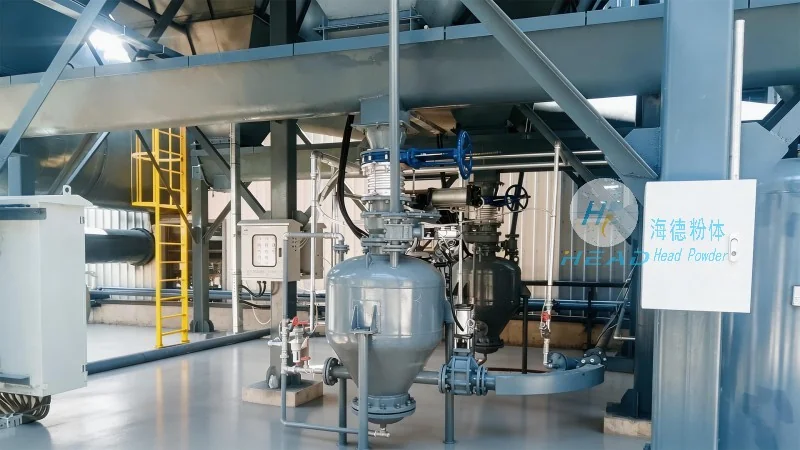
A typical nitrogen-protected powder handling system consists of several key components, each playing a vital role in the overall operation. The primary component is the nitrogen gas supply system, which includes a gas cylinder, regulator, and flow meter to control the amount of nitrogen entering the system. This system ensures a consistent and controlled flow of inert gas, maintaining the protective atmosphere. The storage hopper is another critical part, designed to hold the powder while being sealed and connected to the nitrogen supply. The hopper often features a discharge valve or feeder to regulate the flow of powder into the conveyor system. The conveyor system, which may include pneumatic or mechanical components, transports the powder from the hopper to the processing equipment. Pneumatic conveyors, in particular, are commonly used as they can handle the powder while maintaining the nitrogen atmosphere, preventing contamination. The system also includes sensors and controls to monitor parameters such as gas pressure, powder level, and flow rate, ensuring the system operates within safe and optimal conditions. These components work together to create a seamless process that protects the powder while enabling efficient handling and processing.
Benefits of Implementing Nitrogen-Protected Powder Handling
Adopting nitrogen-protected powder handling systems offers numerous benefits for businesses across various industries. One of the most significant advantages is the preservation of product quality. By preventing exposure to air, the system maintains the powder’s original properties, ensuring consistent performance and reducing the risk of product failure. This is particularly important in industries like pharmaceuticals, where product purity directly impacts patient safety and efficacy. Another benefit is the reduction in material waste and rework. By minimizing degradation and caking, the system reduces the need for reprocessing or discarding damaged material, leading to cost savings and improved efficiency. Additionally, the system enhances safety by eliminating the risk of dust explosions, a common hazard in powder handling operations. The inert gas atmosphere reduces the likelihood of ignition sources, making the workplace safer for employees. Furthermore, the system improves operational efficiency by optimizing material flow and reducing downtime caused by maintenance or material handling issues. Overall, nitrogen-protected powder handling is a valuable investment that enhances product quality, reduces costs, and improves workplace safety.
Application Examples and Industry Use Cases
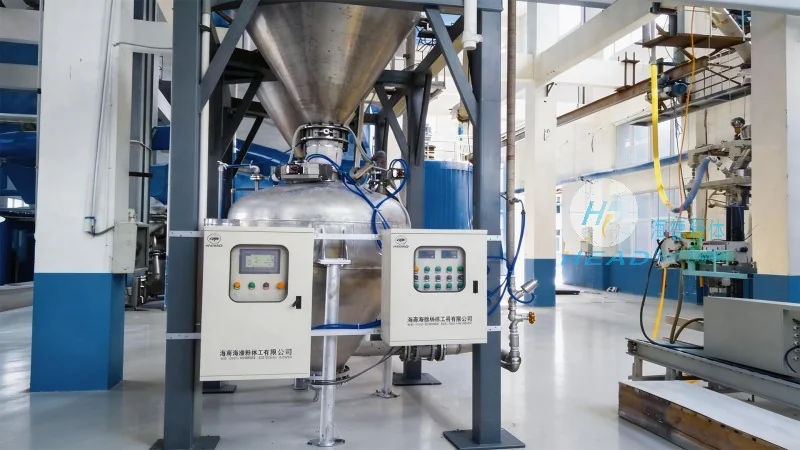
Nitrogen-protected powder handling systems are widely used in various industries, each with specific requirements tailored to their applications. In the pharmaceutical industry, these systems are used to handle active pharmaceutical ingredients (APIs) and excipients, ensuring that the final drug products meet stringent quality standards. The systems maintain the purity of the powders, preventing contamination that could affect the efficacy or safety of the medications. In the food processing industry, nitrogen-protected handling is used for products such as spices, powders, and other food ingredients, preserving their flavor, aroma, and nutritional value. The system prevents moisture absorption and oxidation, which can lead to spoilage or quality degradation. In the chemical manufacturing industry, these systems are employed for handling reactive powders, such as catalysts or specialty chemicals, where exposure to air can cause unwanted reactions or degradation. The nitrogen atmosphere ensures that the materials remain stable and effective throughout the processing stages. Each industry application leverages the core principles of nitrogen protection to address specific challenges, demonstrating the versatility and effectiveness of the technology.