

Continuous Bulk Material Feeding: Exploring Design Principles
Continuous bulk material feeding is a critical process in industrial operations, particularly in sectors dealing with powders and granules. This method involves the steady and uninterrupted transfer of bulk materials from a storage hopper or silo to a processing unit. The efficiency and reliability of this system directly impact production throughput, product quality, and overall operational costs. As a leading manufacturer in the field, Shandong HeadPowder Engineering Co., Ltd. specializes in designing and supplying high-performance continuous bulk feeding systems tailored to meet the diverse needs of modern industries.
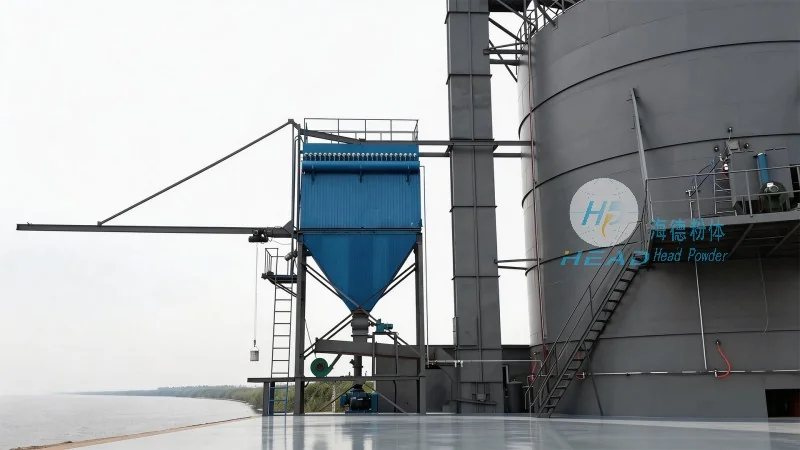
Understanding Continuous Bulk Material Feeding
At its core, continuous bulk material feeding refers to the automated and consistent movement of bulk solids, such as powders, granules, or granular materials, from a storage vessel to a downstream process. Unlike batch feeding, which involves periodic loading and unloading, continuous feeding maintains a constant flow rate, enabling seamless integration with manufacturing lines and reducing downtime. This approach is widely adopted in industries like pharmaceuticals, food processing, chemical manufacturing, and mining, where precise material control is paramount.
Key Components of a Continuous Bulk Feeding System
A typical continuous bulk material feeding system comprises several key components that work in harmony to ensure efficient operation. The primary elements include a storage hopper or silo, a feeding mechanism (like a screw feeder, vibratory feeder, or rotary valve), a control system, and a discharge mechanism. Each component plays a vital role in maintaining the integrity and flow of the material throughout the process.
Design Principles for Optimal Performance
The design of a continuous bulk feeding system is guided by several fundamental principles aimed at maximizing efficiency, minimizing material degradation, and ensuring safety. These principles include:
1. **Material Flow Analysis**: Before designing the system, it is crucial to analyze the physical properties of the bulk material, such as particle size distribution, density, flowability, and angle of repose. This analysis helps in selecting the appropriate feeding equipment and hopper geometry to prevent issues like bridging, arching, or segregation.
2. **Hopper and Silo Design**: The design of the storage vessel is critical to ensure uniform material flow. Proper hopper angles, smooth surfaces, and appropriate venting systems are essential to prevent material accumulation and ensure consistent discharge. The choice of material for the hopper (e.g., stainless steel, carbon steel, or special alloys) also impacts durability and resistance to corrosion.
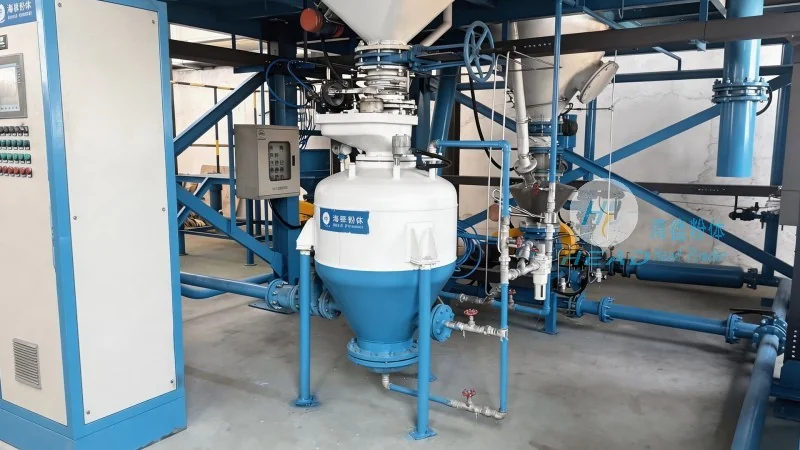
3. **Feeding Mechanism Selection**: The feeding mechanism is the heart of the system, responsible for controlling the flow rate and ensuring consistent material delivery. Common types include screw feeders, which use rotating screws to push material forward; vibratory feeders, which use vibrations to move material; and rotary valves, which act as on-off devices to regulate flow. The selection depends on factors like material characteristics, required flow rate, and system integration requirements.
4. **Control System Integration**: Modern continuous feeding systems often incorporate advanced control systems that monitor and adjust the feeding rate in real-time. These systems may include sensors for level detection, flow rate measurement, and pressure monitoring, along with programmable logic controllers (PLCs) or other automation devices. This integration allows for precise control, feedback adjustments, and the ability to respond to changes in process conditions.
Benefits of Continuous Bulk Material Feeding
Implementing a well-designed continuous bulk material feeding system offers numerous advantages for industrial operations. These benefits include:
1. **Increased Production Efficiency**: By maintaining a constant flow rate, continuous feeding minimizes downtime and reduces the need for manual intervention, leading to higher production throughput and improved operational efficiency.
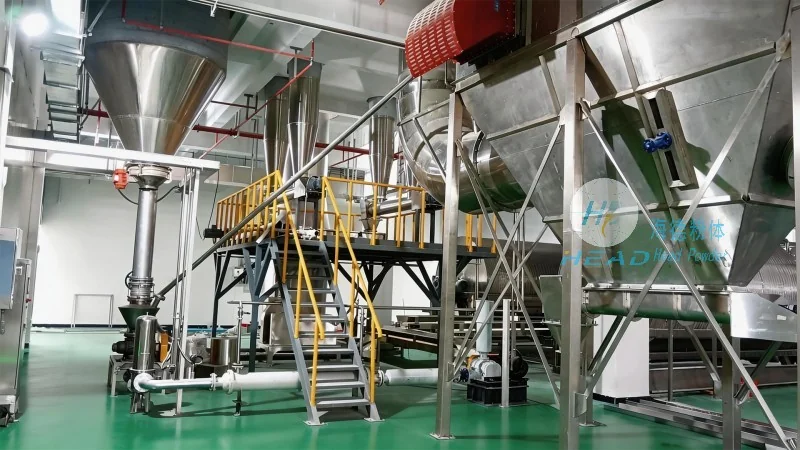
2. **Improved Product Quality**: Consistent material flow ensures that the downstream process receives a uniform feed, reducing variations in product quality and minimizing the risk of defects or inconsistencies.
3. **Reduced Material Waste**: Proper design and control help prevent material loss due to bridging, arching, or spillage, thereby reducing waste and lowering material costs.
4. **Enhanced Safety and Reliability**: Automated systems reduce the risk of human error and provide consistent performance, leading to safer working conditions and increased system reliability.
Applications in Various Industries
Continuous bulk material feeding systems are versatile and find applications across a wide range of industries. In the pharmaceutical industry, they are used for handling active pharmaceutical ingredients (APIs) and excipients with high precision. In food processing, they ensure the consistent feeding of raw materials like flour, sugar, or spices into production lines. In chemical manufacturing, they facilitate the transfer of powders and granules for reactions and processing. Even in mining and mineral processing, continuous feeding systems are employed to move bulk ores and concentrates to processing equipment.
Conclusion
Continuous bulk material feeding is a cornerstone of modern industrial operations, enabling efficient and reliable material handling. By adhering to the design principles outlined above and leveraging advanced technology, industries can optimize their processes, enhance product quality, and reduce operational costs. For businesses seeking to enhance their material handling capabilities, understanding and implementing a well-designed continuous feeding system is a strategic investment in operational excellence.