

What is Powder Blending and Conveying for Ingredient Mixing? The Design Principles Explained
Understanding the design principles of powder blending and conveying systems is crucial for industries that rely on precise ingredient handling. This article explores the fundamental concepts behind these processes, focusing on how they ensure efficient and consistent material flow in manufacturing settings. Shandong HeadPowder Engineering Co., Ltd., a leading provider of powder handling solutions, specializes in designing and manufacturing systems that meet the stringent requirements of modern production.
Introduction to Powder Blending and Conveying
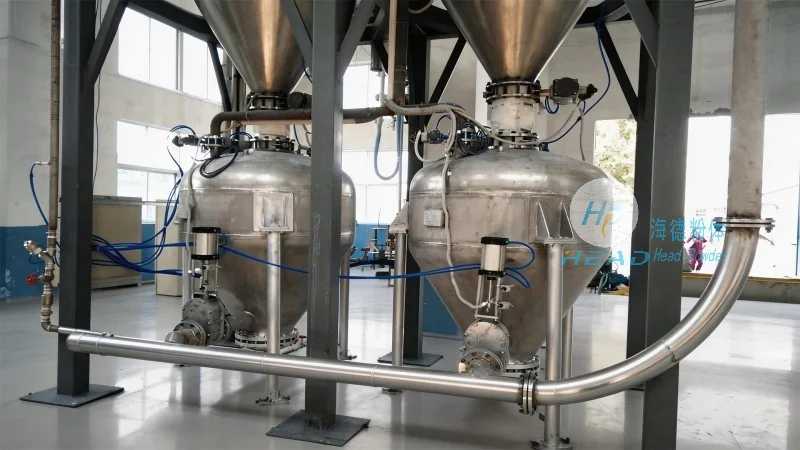
Powder blending and conveying for ingredient mixing refers to the technology used to combine different dry powders or granules and transport them through a system. This process is essential in sectors such as pharmaceuticals, food processing, and chemical manufacturing, where uniformity and accuracy in ingredient distribution are paramount. The design of these systems must address several key factors, including material properties, system efficiency, and operational safety.
Key Components of Powder Blending and Conveying Systems
At the core of any powder blending and conveying system are several critical components that work in tandem to achieve the desired results. These components include feeders, mixers, conveyors, and control systems. Each component plays a specific role in ensuring that powders are blended uniformly and conveyed without degradation or segregation. Feeders are responsible for accurately metering the input materials. They can be of various types, such as volumetric or gravimetric feeders, depending on the application requirements. The choice of feeder affects the precision of the material flow, which is vital for maintaining consistent blend ratios. Mixers, on the other hand, are designed to combine different powders in a controlled manner. Common mixer types include ribbon mixers, paddle mixers, and planetary mixers, each offering different blending efficiencies based on the particle size and density of the materials.
Design Principles for Efficient Powder Handling
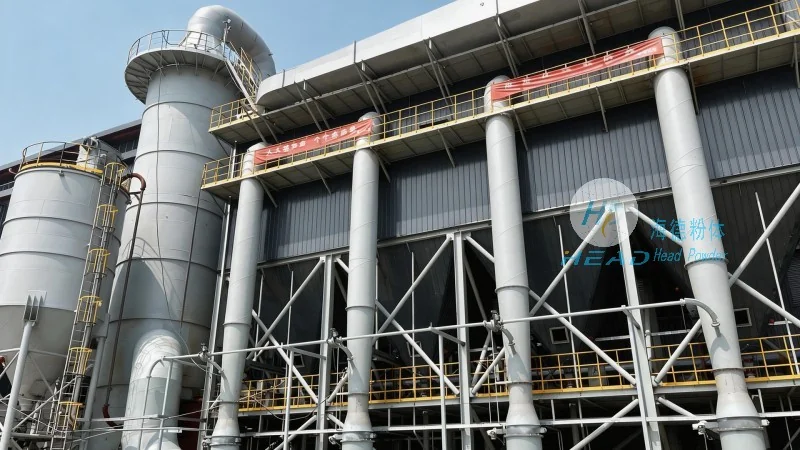
The design principles of powder blending and conveying systems are guided by several key considerations to ensure optimal performance. One of the primary principles is the prevention of material segregation. Segregation occurs when different particles in a mixture separate due to differences in size, density, or shape. To mitigate this, designers incorporate features like baffles, agitators, and gentle mixing actions that keep particles in motion and prevent them from settling in layers. Another critical design principle is the minimization of material degradation. Powders can be sensitive to mechanical stress, heat, or moisture, which can alter their properties. Therefore, systems are designed with low-friction components, appropriate temperature control, and moisture barriers to preserve the integrity of the materials. Additionally, the system's flow path is optimized to reduce pressure drops and energy consumption, enhancing overall efficiency.
Control and Automation in Modern Systems
Modern powder blending and conveying systems often incorporate advanced control and automation features to enhance precision and reliability. These systems use sensors and feedback mechanisms to monitor parameters such as flow rate, temperature, and moisture content in real-time. This allows for dynamic adjustments to maintain consistent blending ratios and prevent deviations. Automation also improves operational safety by reducing human intervention in potentially hazardous environments, such as those involving powders that are dust-explosive or toxic.
Applications and Industry Impact
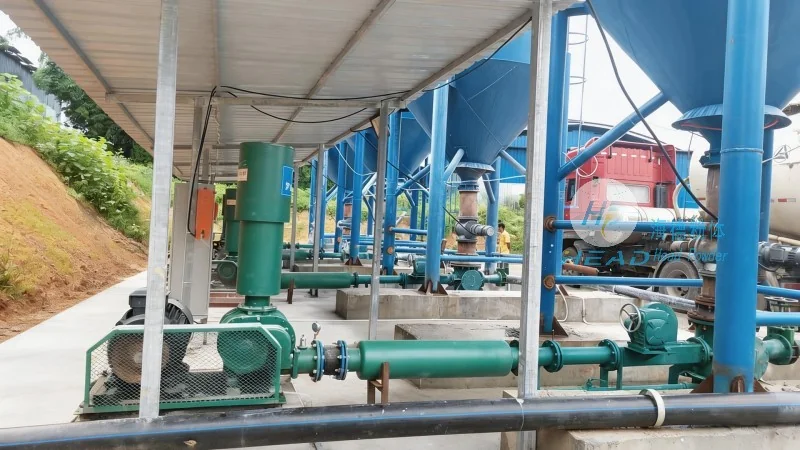
Powder blending and conveying systems are widely used across various industries, each with specific requirements. In the pharmaceutical industry, for example, these systems are crucial for producing high-purity drug formulations. The precision in blending ensures that the active ingredients are evenly distributed, which is essential for product efficacy and safety. In the food industry, similar systems are used to blend spices, flavors, and other ingredients into consistent food products. The design principles discussed above are tailored to meet the stringent quality standards of these industries.
Conclusion
In conclusion, the design principles of powder blending and conveying systems are essential for ensuring efficient and reliable ingredient mixing in various industries. By addressing factors such as material properties, segregation prevention, and system efficiency, these systems provide the foundation for high-quality production. As technology advances, the integration of automation and advanced control will further enhance the performance of these systems, meeting the evolving demands of modern manufacturing. Shandong HeadPowder Engineering Co., Ltd. continues to innovate in this field, providing tailored solutions that enhance operational efficiency and product quality for its clients.