

What is a Food Additive Pneumatic Conveying System Equipment? What are the Design Principles?
Food additive pneumatic conveying systems are specialized equipment used in the food processing industry to transport various food additives safely and efficiently. These systems are designed to handle powders and granules, ensuring minimal contamination and maintaining product quality. The primary goal of such systems is to provide a clean, hygienic, and reliable method for moving additives from storage to processing lines.
Key Components of a Pneumatic Conveying System
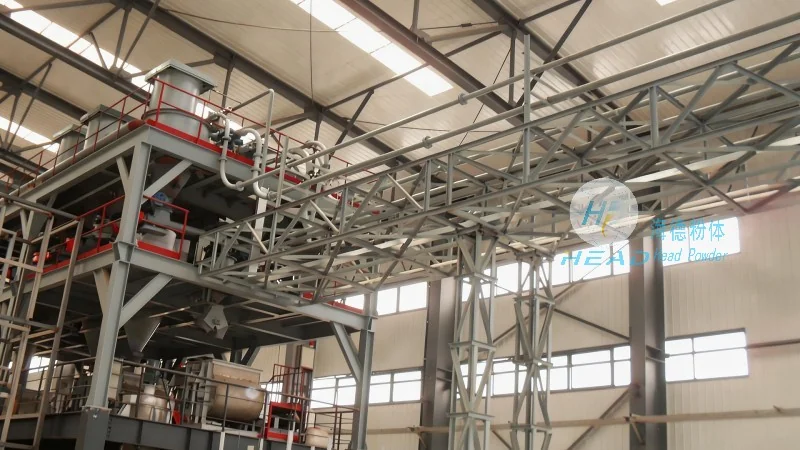
At the core of a food additive pneumatic conveying system are several key components that work together to facilitate the movement of materials. These typically include a hopper for material storage, a conveyor line (either positive or negative pressure), a filter system to ensure air purity, and a dust collection unit. The hopper is often equipped with a discharge valve to control the flow of additives, while the conveyor line uses air pressure to push or pull the material through the system. The filter and dust collection units are critical for maintaining air quality and preventing contamination, which is paramount in food processing environments.
Design Principles for Efficient and Safe Operation
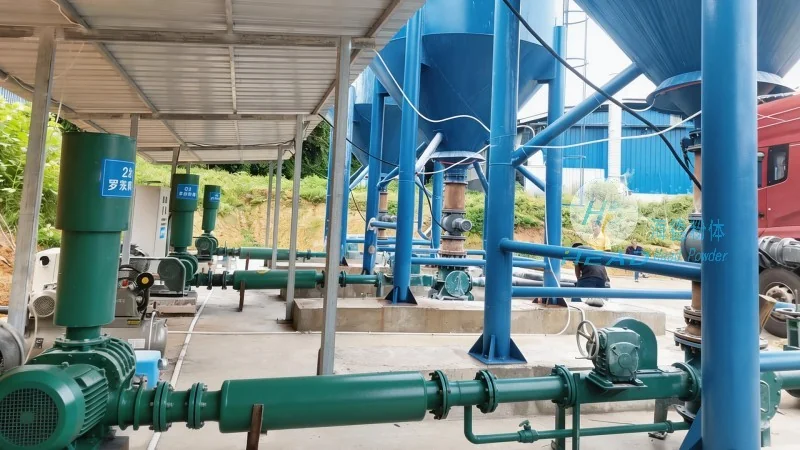
The design of a food additive pneumatic conveying system follows several key principles to ensure efficiency, safety, and compliance with industry standards. First, the system must be constructed from materials that are food-grade and resistant to corrosion, such as stainless steel, to prevent any chemical reactions or contamination from the additives being transported. Second, the system is designed to operate under controlled pressure, with both positive and negative pressure options available depending on the specific application. Positive pressure systems use compressed air to push the material forward, while negative pressure systems use vacuum to pull the material. The choice between these depends on factors like the material's properties, the distance to be conveyed, and the need for airtight containment. Third, the system incorporates features to minimize product degradation, such as gentle handling and temperature control, as many food additives are sensitive to heat and mechanical stress. Additionally, the design includes easy-to-clean components and access points to facilitate regular maintenance and sanitation, which is essential for maintaining hygiene standards in food processing facilities.
Applications and Benefits in Food Processing
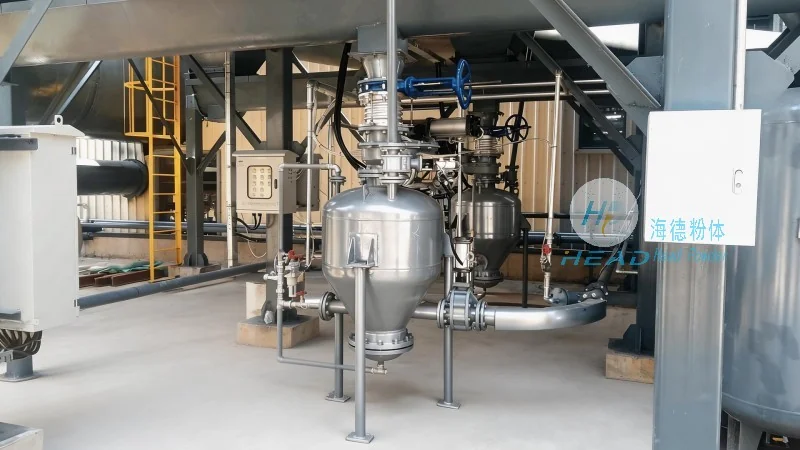
Food additive pneumatic conveying systems are widely used in various food processing applications, including the transport of flavors, colors, preservatives, and other additives. The benefits of using such systems include improved product quality through reduced exposure to air and moisture, enhanced safety by minimizing manual handling of powders, and increased efficiency by automating the material transport process. These systems also help in maintaining consistent product flow, which is crucial for maintaining production line speeds and reducing downtime. Furthermore, the hygienic design of these systems ensures compliance with regulatory standards, such as those set by the FDA and other food safety authorities, making them a preferred choice for modern food processing facilities.
About Shandong HeadPowder Engineering Co., Ltd.
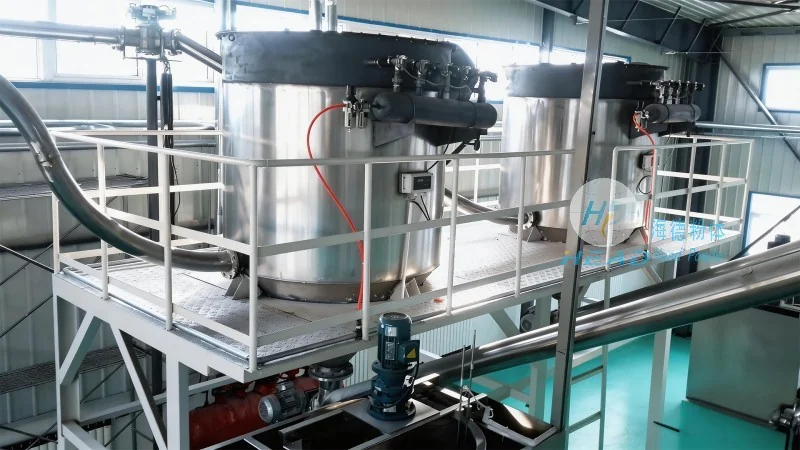
Shandong HeadPowder Engineering Co., Ltd., commonly known as HeadPowder, is a leading manufacturer of specialized equipment for the food processing industry. With a focus on innovation and quality, HeadPowder designs and manufactures food additive pneumatic conveying systems that meet the highest standards of safety, efficiency, and hygiene. The company's products are engineered to handle a wide range of food additives, from fine powders to granules, and are tailored to meet the specific needs of each client. HeadPowder's commitment to customer satisfaction and product excellence has made it a trusted partner for food processing companies worldwide. The company is based in Shandong, China, and continues to advance the technology and design of pneumatic conveying systems to support the evolving needs of the food industry.