

What is a Light Calcium Carbonate Pneumatic Conveying System? And What Are Its Design Principles?
Light calcium carbonate (LCC) is a widely used industrial material, often employed in applications such as papermaking, plastics, and coatings. The efficient and reliable transport of LCC from storage to processing units is crucial for maintaining production efficiency and minimizing operational costs. A pneumatic conveying system is a key solution for this purpose, offering a flexible and effective method to move bulk materials like LCC through pipelines using air or other gases. This article explores the concept of a light calcium carbonate pneumatic conveying system, detailing its components, operational mechanisms, and the underlying design principles that ensure optimal performance.
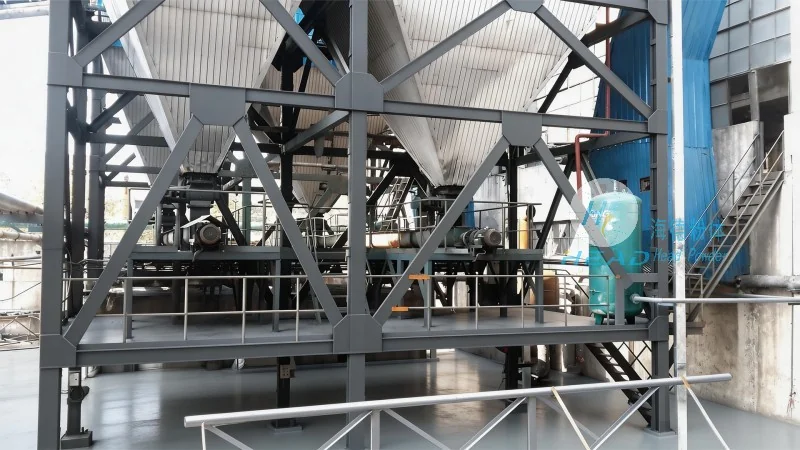
Components of a Light Calcium Carbonate Pneumatic Conveying System
A light calcium carbonate pneumatic conveying system typically consists of several critical components that work in tandem to achieve material transport. The main elements include a hopper or storage silo for material storage, a feeder to control the flow rate of LCC into the system, a conveying line (usually made of stainless steel or other corrosion-resistant materials to handle the material and air), a compressor or blower to generate the necessary air pressure, and a receiver or collection bin at the destination. Additionally, auxiliary components such as filters, cyclones, and pressure regulators may be included to ensure clean air and prevent material buildup or blockages. Each component plays a vital role in the overall system's functionality, and their proper selection and integration are essential for achieving efficient LCC transport.
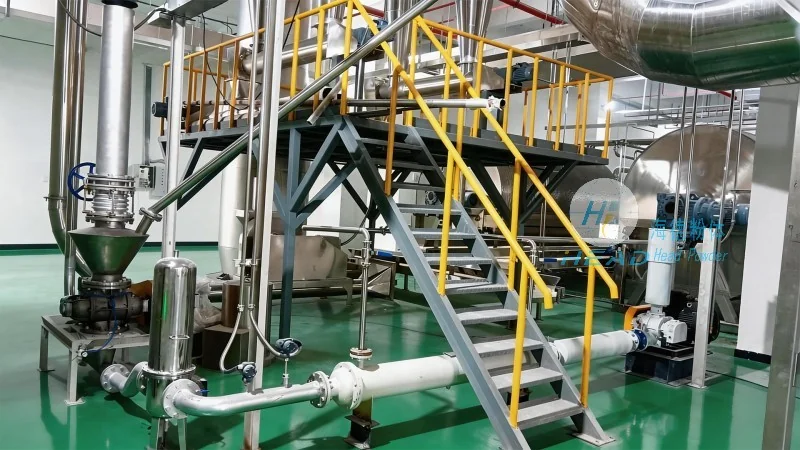
Design Principles for Light Calcium Carbonate Pneumatic Conveying Systems
The design of a light calcium carbonate pneumatic conveying system is based on several fundamental principles that ensure safe, efficient, and reliable operation. The first principle is the selection of the appropriate conveying method, which can be categorized into dilute-phase or dense-phase systems. Dilute-phase systems use high air velocities to suspend the LCC particles in the air stream, allowing for long-distance transport with minimal pressure drop. Dense-phase systems, on the other hand, use lower air velocities and higher material concentrations, which are suitable for transporting sensitive materials or when high pressure is required. The choice between these methods depends on factors such as the material's properties (e.g., particle size, density, and moisture content), the required transport distance, and the desired system efficiency. Another key design principle is the calculation of the required air velocity and pressure. This involves determining the material's flow properties, such as its bulk density and angle of repose, and using these parameters to calculate the necessary air velocity to keep the particles suspended. The pressure drop along the conveying line is also a critical consideration, as it affects the energy consumption and overall system performance. Proper design of the conveying line, including the selection of pipe diameter and length, is essential to minimize pressure losses and ensure smooth material flow. Furthermore, the system must be designed to handle variations in material feed rate and air pressure, ensuring stable operation under different conditions. This may involve the use of variable-speed feeders, pressure regulators, and control systems that can adjust the air flow and material feed in real time. The design also considers safety aspects, such as the prevention of dust explosions and the protection of personnel from high-pressure air or material release. By adhering to these design principles, engineers can develop a pneumatic conveying system that is tailored to the specific needs of the LCC application, ensuring optimal performance and long-term reliability.
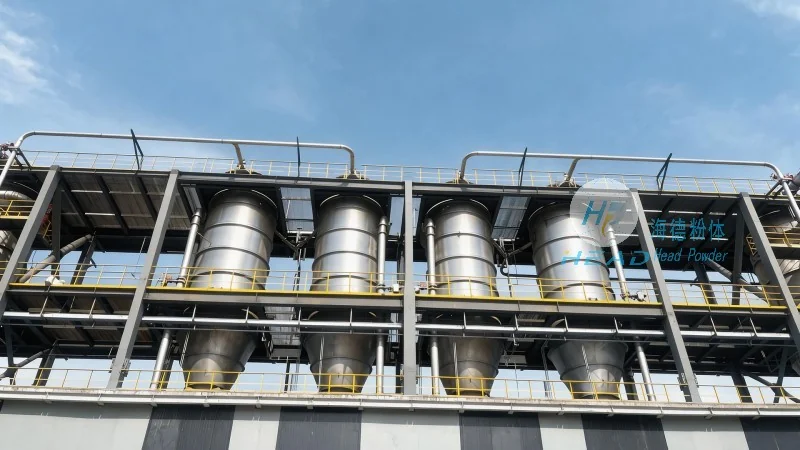
Operational Considerations for Light Calcium Carbonate Pneumatic Conveying Systems
Once the light calcium carbonate pneumatic conveying system is designed and installed, proper operation is essential to maintain its efficiency and longevity. Regular maintenance is a critical operational consideration, as it helps prevent system failures and ensures consistent performance. This includes cleaning the conveying line and components to remove accumulated material, checking and replacing worn parts such as seals and bearings, and inspecting the air compressor or blower for proper operation. The system should also be monitored regularly to detect any changes in performance, such as increased pressure drop or reduced material flow, which may indicate a problem with the system or the material being conveyed. Another operational consideration is the control of material feed rate and air pressure. The feeder must be adjusted to maintain a consistent flow rate, as fluctuations can lead to system instability or blockages. The air pressure should be monitored and adjusted as needed to ensure the material is properly suspended and transported. Additionally, the system should be equipped with safety features, such as pressure relief valves and dust collection systems, to protect against potential hazards. Proper training of operators is also important to ensure they understand the system's operation and can respond appropriately to any issues that may arise. By following these operational guidelines, the light calcium carbonate pneumatic conveying system can operate efficiently and safely, maximizing its lifespan and minimizing downtime.
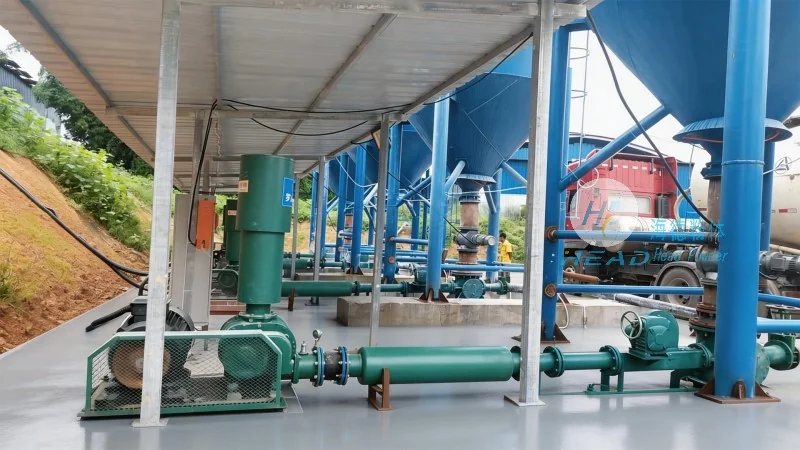
Applications of Light Calcium Carbonate Pneumatic Conveying Systems
Light calcium carbonate pneumatic conveying systems are widely used in various industrial applications due to their flexibility and efficiency. One of the primary applications is in the papermaking industry, where LCC is used as a filler to improve the paper's strength and whiteness. The pneumatic conveying system allows for the easy transport of LCC from storage to the papermaking process, ensuring a consistent supply of material. Another application is in the plastics industry, where LCC is used as a filler to reduce the cost and improve the properties of plastic products. The system can transport LCC from storage to the plastic extrusion process, ensuring a smooth and continuous feed. In the coatings industry, LCC is used as a pigment or filler to enhance the appearance and durability of coatings. The pneumatic conveying system enables the efficient transport of LCC to the coating production line, ensuring a consistent quality of the final product. Additionally, LCC is used in the rubber industry as a filler to improve the mechanical properties of rubber products. The system can transport LCC from storage to the rubber processing plant, ensuring a reliable supply of material. Overall, the light calcium carbonate pneumatic conveying system is a versatile and essential tool for industries that rely on LCC as a key material, providing a reliable and efficient method for material transport.