

What is a Sawdust and Husk Pneumatic Conveying System Equipment? What are its Design Principles?
For industrial applications involving the transport of bulk materials like sawdust and husk, pneumatic conveying systems offer an efficient and reliable solution. These systems utilize air pressure to move particles through a pipeline, eliminating the need for mechanical components such as belts or buckets. The equipment is designed to handle various particle sizes and flow rates, making it suitable for diverse manufacturing processes.
Key Components of the System
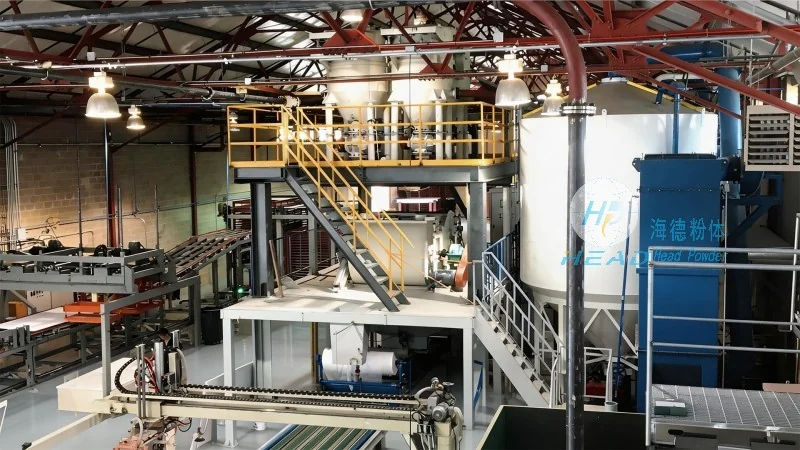
The sawdust and husk pneumatic conveying system typically consists of several core components that work in tandem to ensure smooth material transport. The primary components include a material hopper, a feeder, a conveying line, a receiver, and a control system. The material hopper stores the bulk material, while the feeder regulates the flow rate into the system. The conveying line, often made of stainless steel or other corrosion-resistant materials, transports the material under pressure. The receiver collects the material at the destination point, and the control system manages the entire operation, ensuring optimal performance and safety.
Design Principles and Operational Mechanisms
The design of a sawdust and husk pneumatic conveying system is based on fundamental principles of fluid dynamics and material handling. The system operates by creating a pressure differential between the inlet and outlet of the conveying line. Air is introduced into the system, often through a blower or compressor, which generates the necessary pressure to move the particles. The material is then entrained in the air stream and carried through the pipeline. The design must consider factors such as particle size distribution, moisture content, and the specific properties of the material to ensure efficient transport. For example, in the case of sawdust, which is typically lightweight and fine, the system may use a low-pressure, low-velocity design to prevent particle degradation and clogging. Conversely, husk materials, which may be larger and more abrasive, might require higher pressure and velocity to maintain flow.
Advantages of Using Pneumatic Conveying Systems
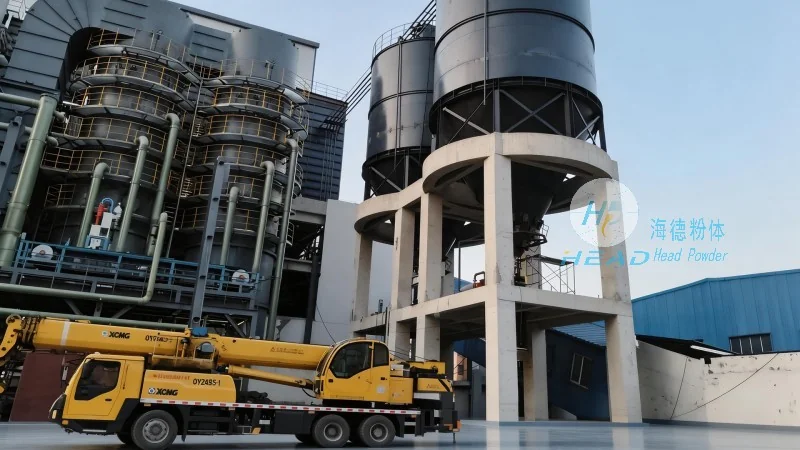
Implementing a sawdust and husk pneumatic conveying system offers several advantages over traditional mechanical conveying methods. One of the key benefits is the ability to transport materials over long distances without the need for multiple transfer points or additional equipment. This reduces installation costs and maintenance requirements. Additionally, the system is highly flexible, allowing for changes in material flow rates and destinations without significant modifications. The enclosed pipeline design also minimizes dust emissions, improving workplace safety and environmental compliance. Furthermore, the system can handle a wide range of materials, including those that are abrasive or corrosive, making it a versatile solution for various industrial applications.
Customization and Application Examples
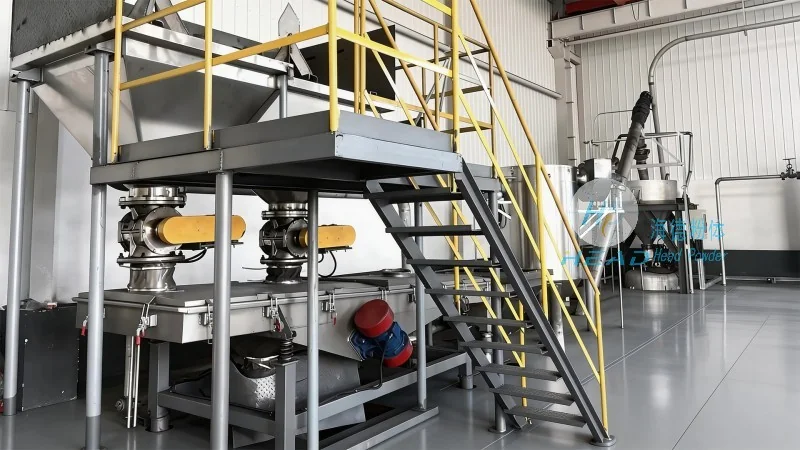
Shandong HeadPowder Engineering Co., Ltd. specializes in designing and manufacturing customized pneumatic conveying systems tailored to the specific needs of clients. The company, based in Shandong, China, leverages years of experience in the industry to develop solutions that meet the unique requirements of each project. For instance, a woodworking factory might use the system to transport sawdust from the cutting and shaping processes to a storage silo, while a grain processing plant could utilize it to move husk from the dehusking stage to the packaging area. The systems are designed to integrate seamlessly with existing production lines, ensuring minimal disruption to operations.
Conclusion and Company Overview
In conclusion, a sawdust and husk pneumatic conveying system is a sophisticated piece of equipment that combines engineering principles with practical application to facilitate efficient material transport. The design principles, which focus on fluid dynamics and material properties, ensure that the system operates reliably and effectively. Companies like Shandong HeadPowder Engineering Co., Ltd. play a crucial role in providing these systems, offering customized solutions that meet the demands of modern industrial processes. By understanding the key components and operational mechanisms, industries can leverage the benefits of pneumatic conveying to enhance productivity and safety.