

Working Principle and Characteristics of Pneumatic Conveying for Boron Powder Materials
HeadPowder, a leading manufacturer based in Shandong, China, specializes in the design and implementation of advanced pneumatic conveying systems tailored for boron powder materials. This article explores the fundamental working principles and key characteristics of such systems, providing insights into their efficiency and reliability in industrial applications.
Understanding Pneumatic Conveying Systems for Boron Powder
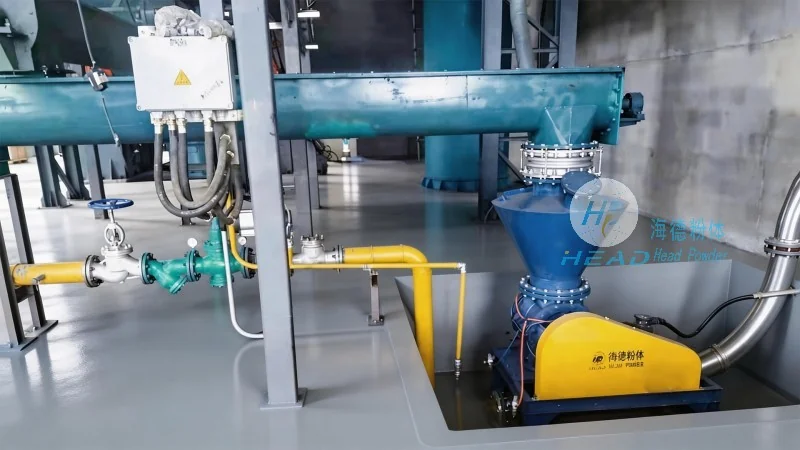
Pneumatic conveying, also known as pneumatic transport, is a method of transporting bulk materials like boron powder through a pipeline using a gas stream, typically air or other gases. The system operates by creating a pressure differential that propels the material from the source to the destination. In the context of boron powder, which is often used in metallurgy, ceramics, and chemical industries, this technology offers a flexible and efficient solution for material handling.
The Core Working Principle of Pneumatic Conveying
The working principle of a pneumatic conveying system for boron powder involves several key components and processes. First, the boron powder is introduced into a hopper or feeder, where it is then fed into a pipeline. A fan or blower generates a high-velocity air stream within the pipeline, which creates a negative pressure (suction) or positive pressure (blowing) environment. This air stream carries the powder particles through the pipeline to the discharge point. The system can be categorized into two main types: dilute-phase and dense-phase conveying, each with distinct operating characteristics suitable for different material properties and application requirements.
Key Characteristics of Boron Powder Pneumatic Conveying
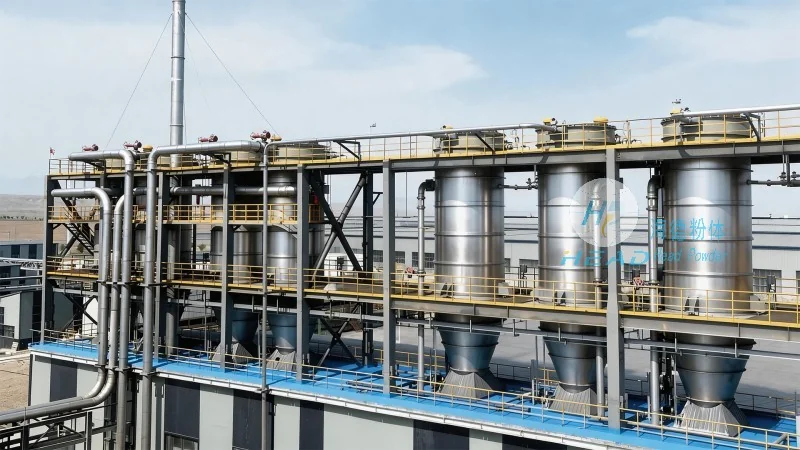
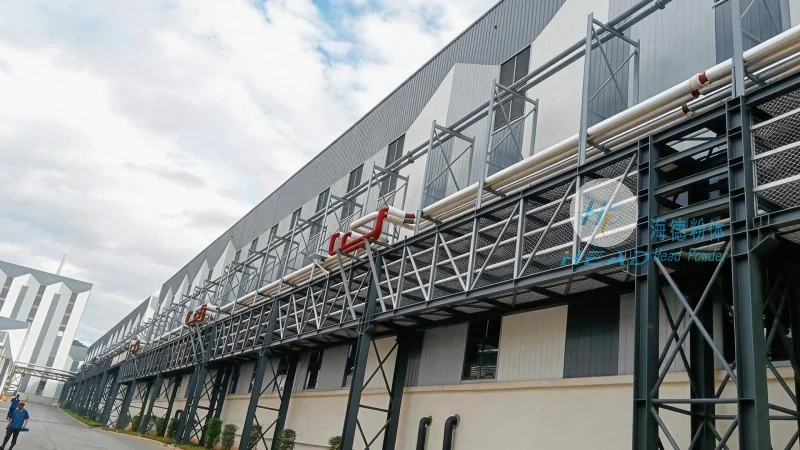
Several notable characteristics define the performance of pneumatic conveying systems for boron powder. Firstly, the system offers high flexibility in terms of layout and integration with existing industrial processes. It can handle long-distance transport and complex routing, making it suitable for facilities with limited space or multiple processing stages. Secondly, the technology provides excellent control over material flow, allowing for precise dosing and regulation of the powder feed rate. This is crucial for applications where consistent material quality and process stability are paramount.
Another significant characteristic is the ability to maintain material purity and prevent contamination. Pneumatic conveying systems are enclosed, which minimizes exposure to external elements and reduces the risk of dust inhalation or environmental contamination. This is particularly important for boron powder, which may have specific handling regulations due to its chemical properties. Additionally, the system can be designed to handle varying particle sizes and moisture content, ensuring reliable operation even with non-uniform boron powder feedstock.
Efficiency and Advantages in Industrial Applications
The adoption of pneumatic conveying systems for boron powder materials brings several advantages to industrial operations. From an operational perspective, these systems reduce labor costs associated with manual handling and minimize the risk of material spillage or loss. The enclosed nature of the system also enhances workplace safety by eliminating dust-related hazards. Furthermore, the technology enables faster material transfer compared to traditional methods like bucket elevators or belt conveyors, thereby improving overall production throughput.
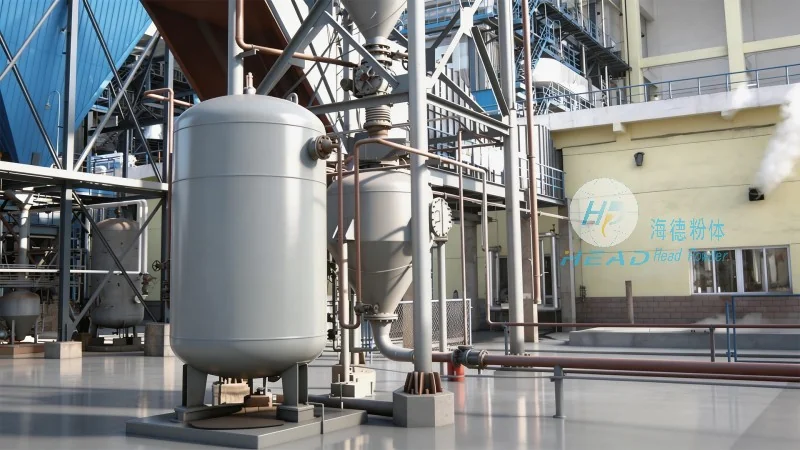
From a maintenance standpoint, pneumatic conveying systems are relatively simple and require minimal downtime for routine checks. The absence of moving parts in the pipeline (except for the feeding and discharge equipment) reduces wear and tear, leading to lower maintenance expenses over the system's lifespan. This makes the technology economically viable for long-term industrial use, especially in facilities that process large volumes of boron powder.
Conclusion
In summary, pneumatic conveying systems for boron powder materials represent a sophisticated and efficient solution for material handling in various industrial sectors. By understanding the core working principles and leveraging the key characteristics of these systems, manufacturers can optimize their operations, enhance product quality, and ensure compliance with safety and environmental standards. HeadPowder, with its expertise in engineering and manufacturing, continues to provide tailored pneumatic conveying solutions that meet the evolving needs of the boron powder industry.