

What is a Foundry Sand Pneumatic Conveying System? And What Are Its Design Principles?
For foundries and casting operations, the efficient handling of foundry sand is crucial to maintaining production efficiency and environmental compliance. A foundry sand pneumatic conveying system is a specialized equipment solution designed to transport sand and other bulk materials within a foundry environment. This system utilizes air pressure or vacuum to move materials through a network of pipes, offering a dust-free and automated method of material transport. The design principles behind such systems are critical to ensuring reliable operation, energy efficiency, and adaptability to the specific demands of foundry processes.
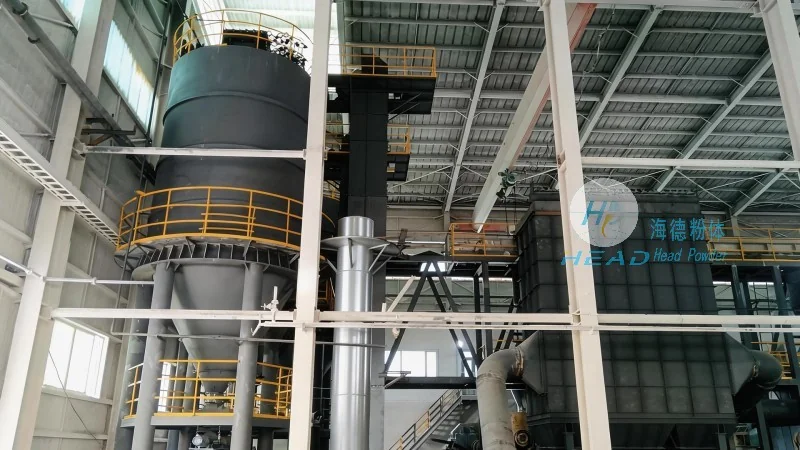
Introduction to Foundry Sand Pneumatic Conveying Systems
A foundry sand pneumatic conveying system is an essential component in modern foundry operations, enabling the safe and efficient movement of sand from storage, to molding areas, and for recycling or disposal. Unlike traditional mechanical conveying methods like belt conveyors or bucket elevators, pneumatic systems use air as the conveying medium, which eliminates the need for physical contact between the material and the conveying equipment. This not only reduces wear and tear on equipment but also minimizes dust generation, a significant advantage in maintaining a clean and safe working environment. The system typically consists of a hopper for material storage, a conveyor line (either pressure or vacuum-based), and a discharge point where the material is released. The choice between pressure and vacuum systems depends on the distance, height, and material characteristics being handled.
Design Principles of Foundry Sand Pneumatic Conveying Systems
The design of a foundry sand pneumatic conveying system is based on several key principles that ensure optimal performance. First, the system must be capable of handling the specific properties of foundry sand, which can vary in size, moisture content, and abrasiveness. The design must account for these variations to prevent blockages or equipment damage. Second, the system's capacity must match the production requirements of the foundry, ensuring that material is conveyed at the required rate without bottlenecks. This involves calculating the air flow rate, pressure, and pipe diameter to achieve the desired throughput. Third, energy efficiency is a critical design consideration. Modern systems use advanced control technologies to optimize air usage, reducing operational costs and environmental impact. Additionally, the system must be designed for easy maintenance and cleaning, as foundry sand can be abrasive and may contain contaminants that require regular system upkeep.
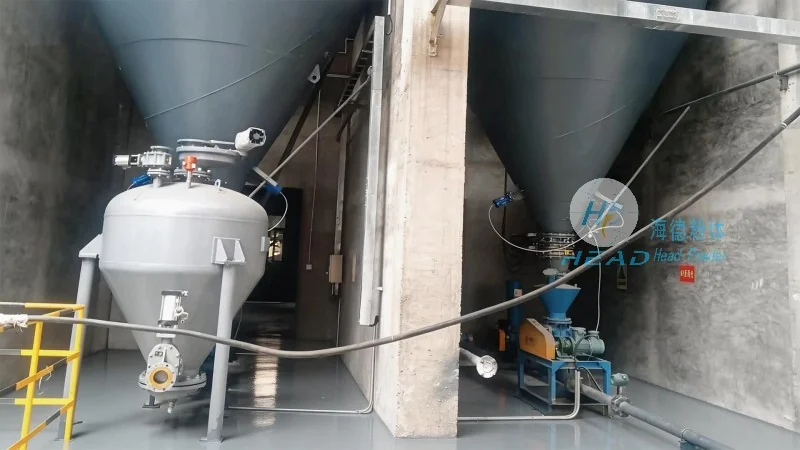
Components and Functionality of the System
The core components of a foundry sand pneumatic conveying system include the material hopper, air compressor or vacuum pump, conveying pipes, and control valves. The material hopper is equipped with a feeder mechanism, such as a rotary valve or a screw feeder, which regulates the flow of sand into the system. The air compressor generates the necessary pressure to push the material through the pipes in a pressure system, while a vacuum pump creates a vacuum to draw the material in a vacuum system. The conveying pipes are typically made of durable materials like stainless steel or high-density polyethylene to withstand the abrasive nature of foundry sand. Control valves are used to regulate the air flow and material discharge, allowing for precise control over the conveying process. The system may also include filters and cyclones to separate the sand from the air, ensuring that the material is delivered in a clean state and that the air is filtered before being released back into the environment.
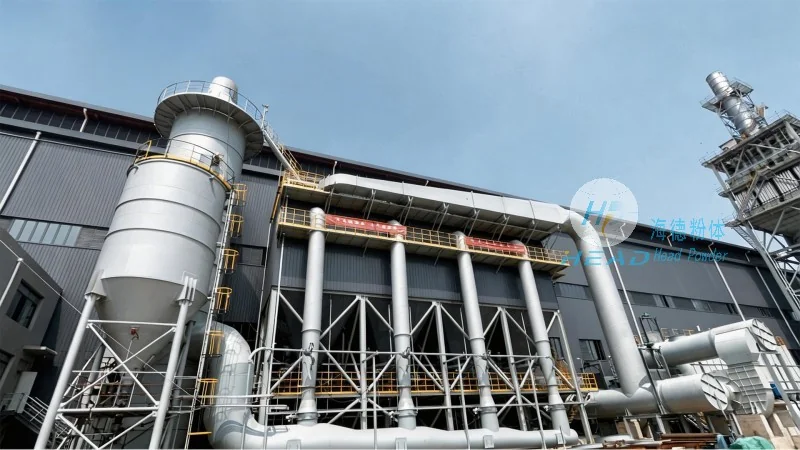
Advantages of Using a Foundry Sand Pneumatic Conveying System
Implementing a foundry sand pneumatic conveying system offers several advantages over traditional conveying methods. One of the primary benefits is the reduction of dust and fumes, which improves air quality and worker safety. This is particularly important in foundries where sand handling can generate significant airborne particles. Additionally, pneumatic systems are more flexible in terms of layout, as they can be installed in various configurations to accommodate the spatial constraints of a foundry. The automated nature of the system reduces the need for manual labor, leading to increased operational efficiency and reduced labor costs. Furthermore, the system's ability to handle abrasive materials without significant wear and tear extends the lifespan of equipment, lowering maintenance and replacement costs over time. The design also allows for easy integration with other foundry processes, such as sand recycling and reclamation, enhancing the overall sustainability of the foundry operation.
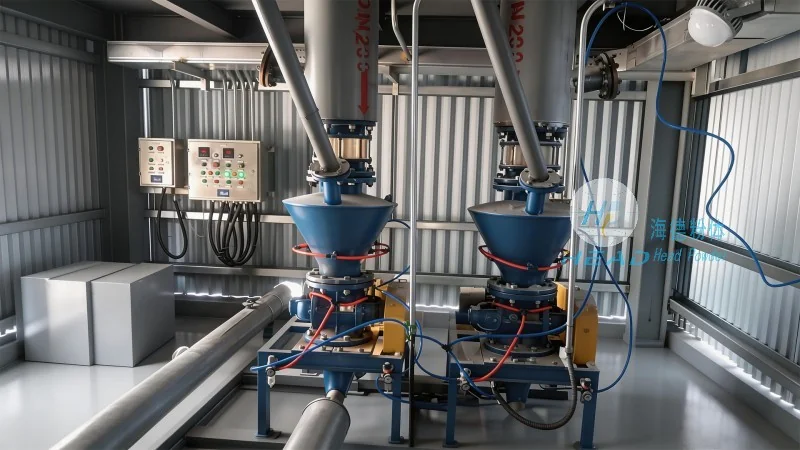
Application in Foundry Operations
Foundry sand pneumatic conveying systems are widely used in various stages of foundry production. In the sand preparation stage, the system can transport raw sand from storage to the mixing area, ensuring a consistent supply of material for molding. During the molding process, the system can deliver sand to the molding machines, providing a continuous and controlled flow of material. After the molding process, the system can transport used sand to the recycling or disposal area, facilitating the recovery of reusable sand and reducing waste. The system's ability to handle both new and reclaimed sand makes it a versatile solution for foundry operations that aim to optimize their material usage and reduce costs. By integrating the system into the foundry's workflow, companies can achieve better control over their material handling processes, leading to improved productivity and reduced operational inefficiencies.
Conclusion and Company Information
Foundry sand pneumatic conveying systems are a critical technology for modern foundries, offering efficient, safe, and environmentally friendly solutions for material handling. The design principles behind these systems focus on reliability, efficiency, and adaptability to the specific needs of foundry operations. By utilizing advanced engineering and materials, these systems can handle the demanding conditions of foundry sand while minimizing operational costs and environmental impact. Shandong HeadPowder Engineering Co., Ltd., a leading provider of foundry equipment, specializes in designing and manufacturing high-quality pneumatic conveying systems tailored to the unique requirements of foundry operations. With a focus on innovation and customer satisfaction, HeadPowder offers comprehensive solutions that enhance the productivity and sustainability of foundry processes. Based in Shandong, China, HeadPowder leverages its expertise and local resources to deliver reliable and efficient equipment that meets the evolving needs of the foundry industry.