

What is an Inorganic Salt Pneumatic Conveying System Equipment? What are its Design Principles?
The inorganic salt pneumatic conveying system equipment has become a cornerstone of efficient material handling in industries that rely on the transport of inorganic salts. This technology, developed and refined by companies like Shandong HeadPowder Engineering Co., Ltd., offers a reliable and flexible solution for moving bulk materials like salts through a system that leverages air pressure or vacuum to achieve transport. Understanding the components and design principles of such a system is essential for industries seeking to optimize their material handling processes and ensure consistent product quality.
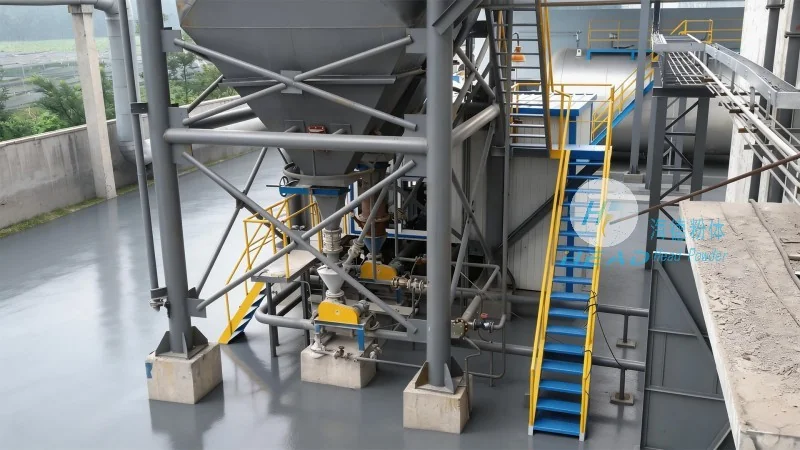
Overview of Inorganic Salt Pneumatic Conveying System Equipment
The inorganic salt pneumatic conveying system equipment typically consists of several key components that work in tandem to achieve efficient material transport. These components include a hopper or feeder for material storage and feeding, a conveying line (often a pipe or duct), a compressor or vacuum pump to generate the necessary air pressure or vacuum, and a receiver or discharge point for the material. The system may also incorporate accessories such as filters, cyclones, and valves to control the flow and ensure the material is handled without degradation or contamination.
Key Components and Their Functions
Each component of the inorganic salt pneumatic conveying system plays a vital role in the overall operation. The hopper or feeder is designed to hold the inorganic salt and feed it into the conveying line at a controlled rate. This helps maintain a consistent flow and prevents blockages or overloading. The conveying line, usually made of materials like stainless steel or plastic, is the pathway through which the material is transported. The choice of material for the pipe is crucial as it must withstand the corrosive nature of many inorganic salts and resist wear and tear from repeated use. The compressor or vacuum pump provides the necessary force to move the material through the line. Depending on the system design, this can be either a positive displacement blower or a vacuum pump that creates a pressure differential to draw the material along. The receiver or discharge point is where the material is collected after being conveyed. This component is often equipped with a filter or cyclone to separate any air from the material, ensuring that the final product is clean and free from contaminants.
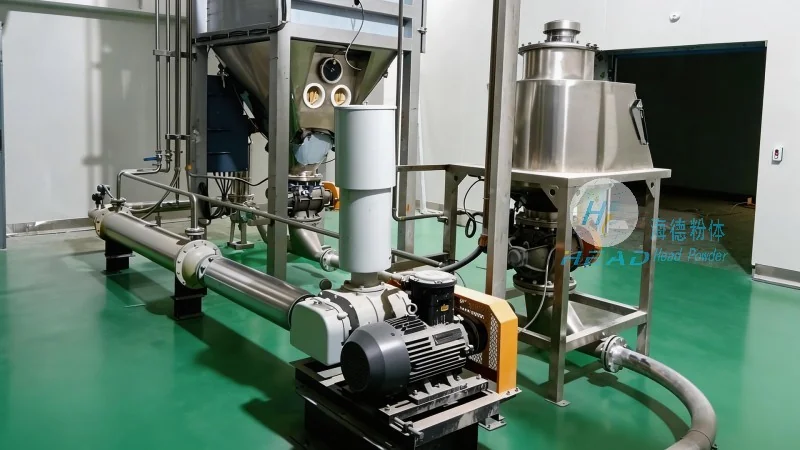
Design Principles for Efficient Material Handling
The design of an inorganic salt pneumatic conveying system is based on several fundamental principles to ensure optimal performance and reliability. One of the primary principles is maintaining a consistent flow rate. This is achieved by carefully sizing the hopper, feeder, and conveying line to match the material's properties, such as its bulk density and flowability. Proper sizing prevents issues like clogging or uneven flow, which can lead to system inefficiencies or damage. Another key principle is the control of air pressure and velocity. The system must be designed to operate at an air velocity that is sufficient to transport the material without causing excessive wear on the equipment or creating excessive pressure drops. This balance is critical for maintaining the system's efficiency and longevity. Additionally, the system design considers the material's characteristics, such as its abrasiveness and moisture content. For abrasive inorganic salts, the components are often made of wear-resistant materials like stainless steel or special alloys to extend their lifespan. For materials with high moisture content, the system may include drying or filtration steps to prevent clogging and maintain material quality.
Advantages of Inorganic Salt Pneumatic Conveying Systems
Implementing an inorganic salt pneumatic conveying system offers several advantages over traditional material handling methods. One of the most significant benefits is the ability to transport materials over long distances without the need for complex machinery or infrastructure. The system can be installed in various configurations, including vertical, horizontal, or a combination of both, to suit the specific layout of a facility. This flexibility makes it suitable for a wide range of industrial applications, from small-scale operations to large-scale production lines. Another advantage is the reduced risk of material contamination and degradation. Unlike mechanical conveyors, which may introduce friction or heat that can affect the material's properties, pneumatic systems use air to move the material, minimizing these risks. This is particularly important for inorganic salts that are sensitive to moisture or temperature changes. Furthermore, the system can be easily integrated with other industrial processes, such as mixing, packaging, or storage, creating a seamless workflow. The ability to control the flow rate and pressure allows for precise material handling, which is essential for maintaining product quality and consistency.
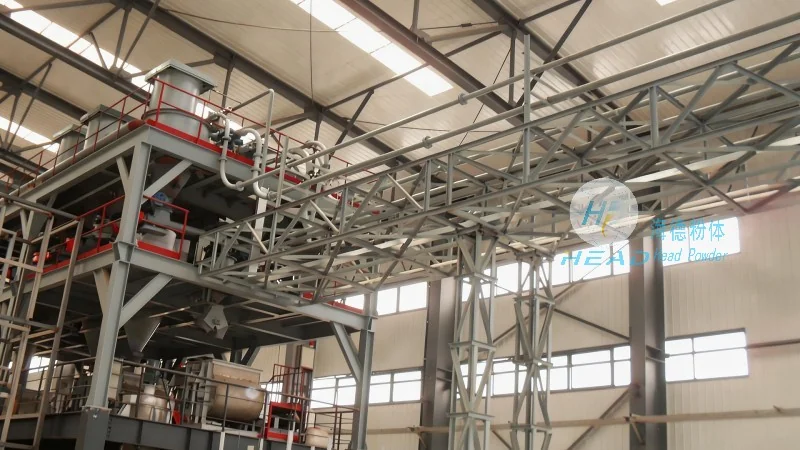
Applications in Various Industries
The inorganic salt pneumatic conveying system equipment is widely used across multiple industries due to its versatility and efficiency. In the chemical industry, it is commonly employed to transport various salts, including sodium chloride, potassium chloride, and calcium carbonate. These materials are often used in the production of fertilizers, detergents, and other chemical products. The food industry also utilizes this technology for handling salt used in food processing, ensuring that the salt is transported without contamination and maintaining its quality. In the mining and mineral processing sector, the system is used to transport raw materials like rock salt and other minerals from storage to processing facilities. The construction industry benefits from the system in transporting salt used for de-icing roads or as a component in concrete mixtures. Overall, the inorganic salt pneumatic conveying system is a versatile solution that meets the diverse material handling needs of various industrial sectors.
Conclusion
In conclusion, the inorganic salt pneumatic conveying system equipment is a sophisticated and efficient solution for handling and transporting inorganic salts. Its design, based on fundamental principles of material flow and air pressure, ensures reliable and consistent performance. The system's components are carefully selected and configured to meet the specific requirements of the material being handled, providing advantages such as reduced contamination, flexibility in layout, and seamless integration with other processes. As industries continue to demand more efficient and reliable material handling solutions, the inorganic salt pneumatic conveying system remains a critical technology for maintaining productivity and product quality. With proper design and maintenance, this system can provide long-term benefits to businesses operating in sectors that rely on the transportation of inorganic salts.