

What is Fully Automatic Bulk Powder Unpacking and Conveying? Exploring Its Design Principles
Understanding the intricacies of fully automatic bulk powder unpacking and conveying systems is crucial for industries that rely on efficient material handling. This article delves into the core concepts, design principles, and operational aspects of such systems, providing a comprehensive overview for professionals in the field.
Introduction to Fully Automatic Bulk Powder Unpacking and Conveying
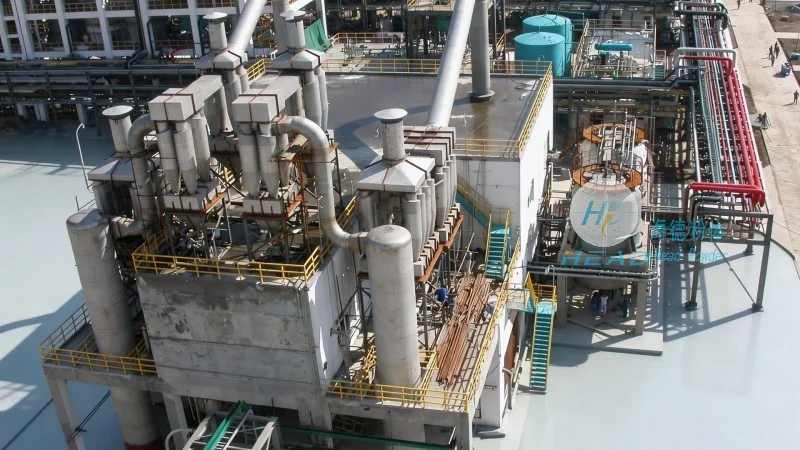
At the heart of modern industrial material handling lies the fully automatic bulk powder unpacking and conveying system. This technology streamlines the process of transferring bulk powders from their original packaging—such as bags, drums, or containers—into a continuous flow for further processing or storage. The system integrates advanced automation, precise control mechanisms, and robust engineering to ensure high efficiency, minimal human intervention, and consistent performance. By eliminating manual labor and reducing the risk of contamination or material loss, these systems enhance operational productivity and safety in various sectors, including pharmaceuticals, chemicals, food processing, and manufacturing.
Key Components and Design Principles of the System
The design of a fully automatic bulk powder unpacking and conveying system is built upon several critical components and principles that work in tandem to achieve seamless operation. The primary components typically include a bulk bag discharger (or "big bag unloader"), a conveyor system (such as a screw conveyor or pneumatic conveyor), a hopper for material storage, and a control panel for system management. Each component is engineered to meet specific functional requirements while maintaining compatibility with the overall system architecture.
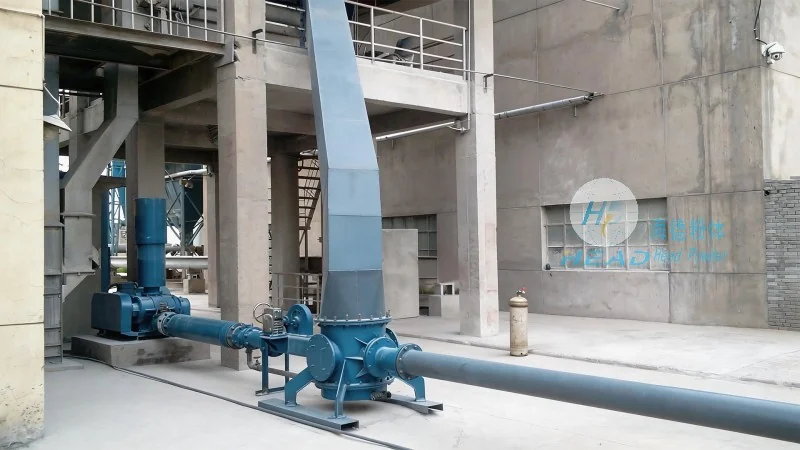
One of the foundational design principles is the integration of mechanical and pneumatic systems to handle the physical stresses of unpacking and conveying. The bulk bag discharger, for instance, uses a combination of lifting mechanisms and discharge valves to safely release the powder from the bag without causing spillage or degradation of the material. This is often complemented by a conveyor system that can be adjusted for speed and direction to match the flow characteristics of the powder being handled. The control panel, equipped with sensors and programmable logic controllers (PLCs), monitors the entire process, ensuring that each step is executed precisely and in sequence. This closed-loop control system enhances reliability and reduces downtime by automatically detecting and addressing any deviations from the set parameters.
Operational Efficiency and Advantages of the System
Implementing a fully automatic bulk powder unpacking and conveying system offers numerous advantages that directly impact operational efficiency and cost-effectiveness. One of the most significant benefits is the reduction in labor costs, as the system minimizes the need for manual handling of heavy or bulky bags. This not only lowers operational expenses but also improves workplace safety by eliminating the risk of back injuries or other accidents associated with manual lifting. Additionally, the automated process ensures consistent material flow, which is critical for maintaining quality control in industries where uniformity is paramount, such as pharmaceuticals or food processing.
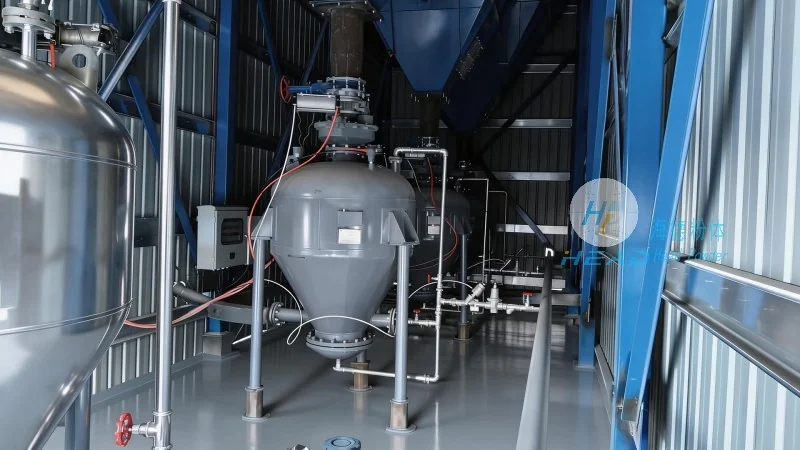
Another key advantage is the reduction of material loss and contamination. Manual unpacking often leads to spillage or exposure of the powder to the environment, which can compromise product quality and increase waste. The fully automated system, with its sealed and enclosed design, prevents such issues by containing the material throughout the process. This is particularly important for sensitive materials, such as pharmaceutical powders or food-grade ingredients, where contamination can have severe consequences. Furthermore, the system’s ability to handle various types of packaging—such as flexible bulk bags, rigid drums, or containers—provides flexibility and adaptability to different production needs, making it a versatile solution for diverse industrial applications.
Application Scenarios and Industry Impact
The fully automatic bulk powder unpacking and conveying system is widely used across various industries due to its adaptability and efficiency. In the pharmaceutical industry, for example, these systems are essential for handling active pharmaceutical ingredients (APIs) and excipients, ensuring that the powders are transferred under sterile and controlled conditions. The food processing sector also benefits from this technology, as it allows for the safe and hygienic handling of food-grade powders, such as spices, vitamins, or flavorings. In the chemical industry, the system is used to transfer bulk chemicals, which may be hazardous or reactive, requiring careful handling to prevent accidents or environmental contamination.
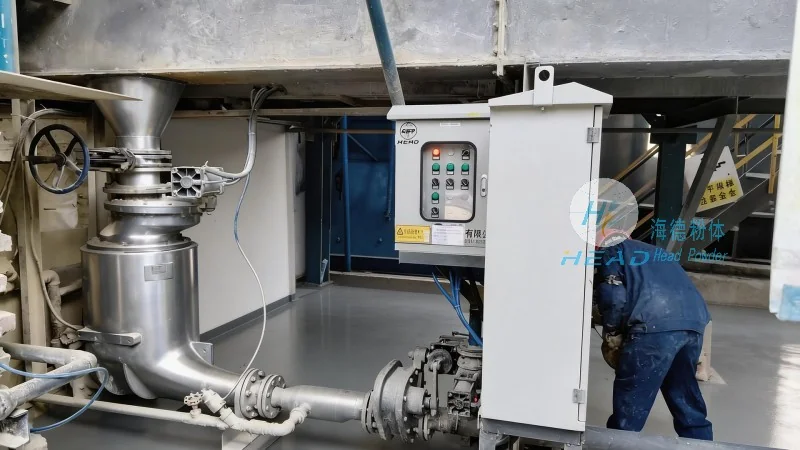
Manufacturing industries, particularly those involved in bulk material processing, also rely on these systems to streamline their production lines. By integrating the unpacking and conveying processes, companies can achieve a more streamlined workflow, reducing bottlenecks and improving overall throughput. The system’s ability to handle large volumes of material at a consistent rate makes it ideal for high-volume production environments, where efficiency is a top priority.
Conclusion and Company Overview
As industries continue to seek more efficient and automated solutions for material handling, the fully automatic bulk powder unpacking and conveying system remains a critical technology. Its design principles, which emphasize integration, control, and safety, have evolved over time to meet the growing demands of modern manufacturing. Companies like Shandong HeadPowder Engineering Co., Ltd., based in China, specialize in the design, manufacturing, and implementation of such systems, providing tailored solutions to meet the specific needs of their clients. With a focus on quality, reliability, and innovation, these systems play a vital role in enhancing operational efficiency and ensuring product quality across various industries.