

What is Soda Ash Powder Conveying? And What Are Its Design Principles?
When it comes to the efficient handling and transportation of soda ash powder, understanding the underlying principles of powder conveying systems is crucial for industrial operations. This article delves into the fundamental aspects of soda ash powder conveying, exploring the design principles that ensure optimal performance, safety, and reliability in various industrial applications.
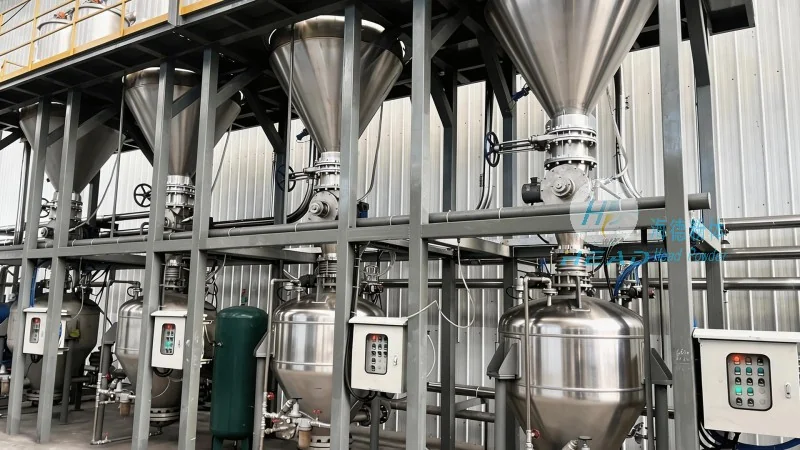
Understanding Soda Ash Powder and Its Conveying Requirements
Soda ash, also known as sodium carbonate (Na₂CO₃), is a widely used chemical in industries such as glass manufacturing, water treatment, and chemical production. Due to its fine powder form, transporting soda ash efficiently requires specialized equipment and systems that can handle the unique properties of the material. The primary challenges in soda ash powder conveying include preventing material degradation, minimizing dust generation, and ensuring consistent flow rates to maintain process stability.
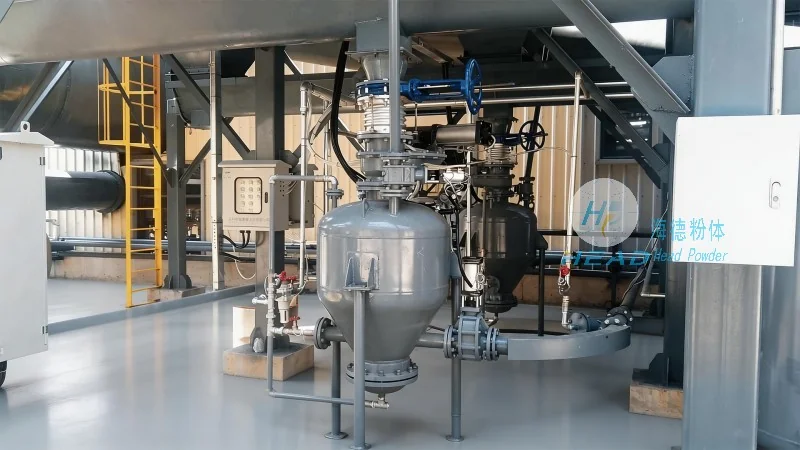
Key Design Principles for Soda Ash Powder Conveying
The design of soda ash powder conveying systems is guided by several critical principles that address the material's characteristics and operational needs. These principles include:
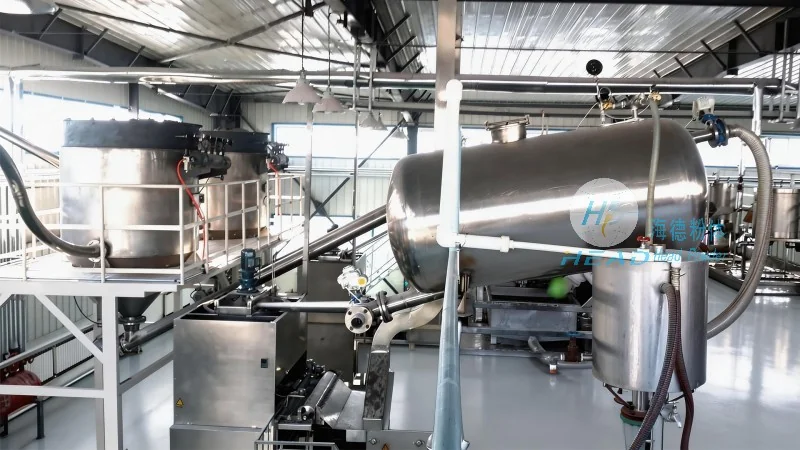
- Material Compatibility: Equipment components must be resistant to soda ash's chemical properties to avoid corrosion and degradation over time.
- Dust Control: Effective dust suppression measures are essential to maintain a safe working environment and comply with environmental regulations.
- Flow Optimization: Proper design of hoppers, chutes, and feeding mechanisms ensures smooth material flow, reducing the risk of blockages and ensuring consistent delivery to processing units.
- Energy Efficiency: Optimized system designs aim to minimize energy consumption while maintaining high conveying efficiency.
Components of a Typical Soda Ash Powder Conveying System
A standard soda ash powder conveying system typically consists of several interconnected components that work in tandem to achieve efficient material transport. These components include:
- Feed Hopper: A container that stores and feeds the soda ash powder into the conveying system, often equipped with level indicators and discharge mechanisms.
- Conveying Equipment: This can include screw conveyors, pneumatic conveying systems, or bucket elevators, depending on the specific application and material characteristics.
- Chutes and Bends: Smoothly designed chutes and bends minimize material degradation and ensure consistent flow, with appropriate angles and surfaces to prevent sticking.
- Dust Collection: Integrated dust collection systems capture and filter any airborne particles, ensuring compliance with environmental standards and maintaining a clean working environment.
The Role of HeadPowder in Soda Ash Powder Conveying Solutions
Shandong HeadPowder Engineering Co., Ltd. specializes in providing tailored powder conveying solutions for industries handling soda ash and other fine powders. With years of experience in engineering and manufacturing, HeadPowder designs and supplies systems that adhere to the highest standards of efficiency, safety, and durability. The company's expertise lies in understanding the unique challenges of soda ash powder and developing customized solutions that meet the specific needs of each client.
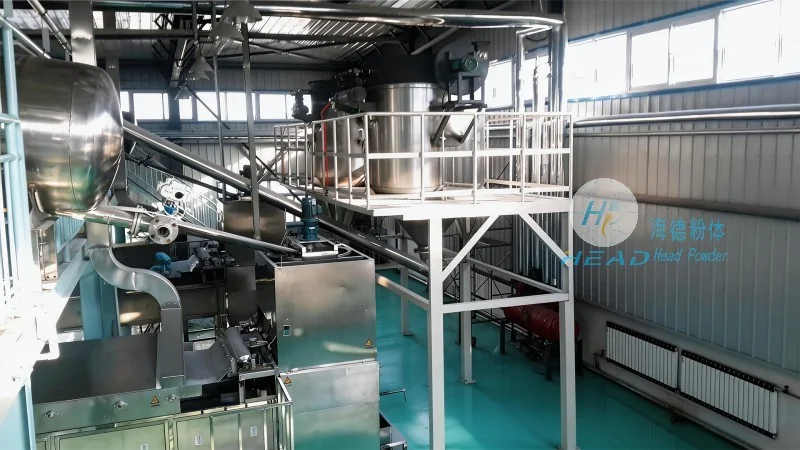
Conclusion: Ensuring Efficient and Reliable Soda Ash Powder Conveying
Efficient soda ash powder conveying is essential for maintaining smooth industrial operations and ensuring product quality. By adhering to key design principles and utilizing specialized equipment, industries can achieve reliable material transport while minimizing risks and costs. As a leading provider of powder conveying solutions, Shandong HeadPowder Engineering Co., Ltd. continues to innovate and deliver high-quality systems that meet the evolving needs of the industry.