

What is Riced Flour Bulk Material Handling? And What Are Its Design Principles?
Understanding the processes involved in handling riced flour as bulk material is crucial for industries that rely on this product. This article delves into the fundamental aspects of riced flour bulk material handling, exploring its significance and the underlying design principles that ensure efficient and safe operations.
What is Riced Flour Bulk Material Handling?
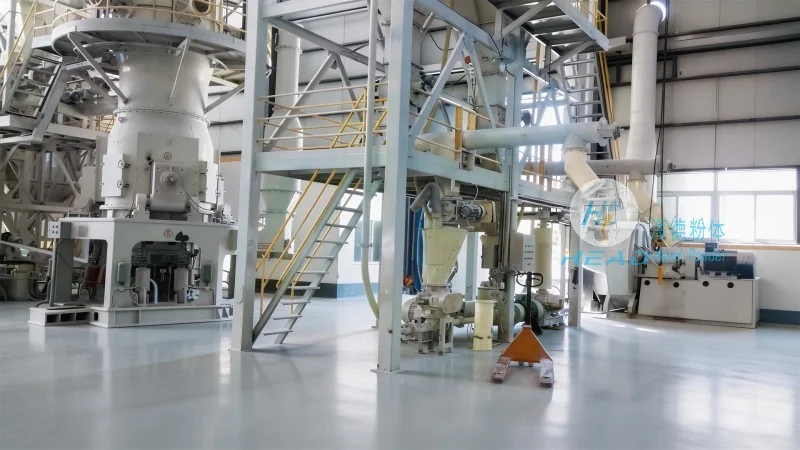
Riced flour bulk material handling refers to the methods and systems used to move, store, and manage riced flour in bulk quantities. This includes processes such as conveying, storing, and transferring the material from one location to another. The primary goal is to maintain the quality of the riced flour while ensuring operational efficiency and safety. For companies like Shandong HeadPowder Engineering Co., Ltd., based in China, this involves specialized equipment and techniques tailored to the unique properties of riced flour.
Key Design Principles for Riced Flour Handling Systems
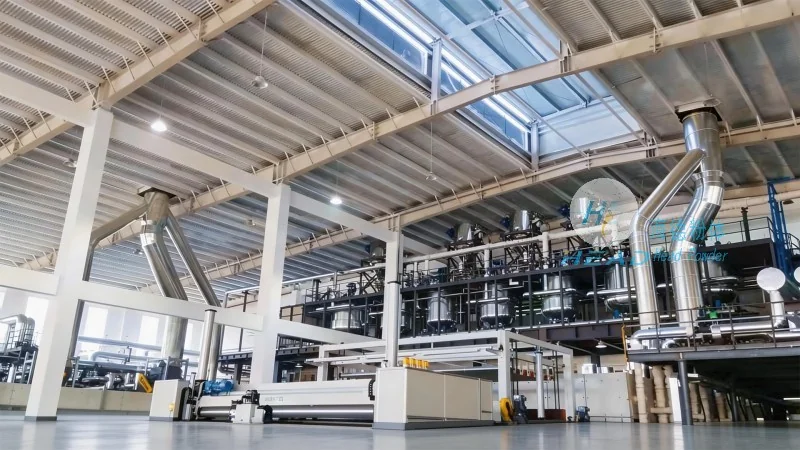
The design of riced flour bulk material handling systems is guided by several critical principles to ensure optimal performance. First, the system must address the hygroscopic nature of riced flour, which can lead to clumping or caking if not managed properly. This often requires the integration of drying or conditioning units to maintain the flour's quality. Second, the system must minimize dust generation and ensure proper ventilation to protect both the material and the environment. Third, the design considers the flow characteristics of riced flour, which can vary based on moisture content and particle size. HeadPowder, a leading provider in this field, incorporates these principles into their custom-designed solutions.
Components of a Typical Riced Flour Bulk Handling System
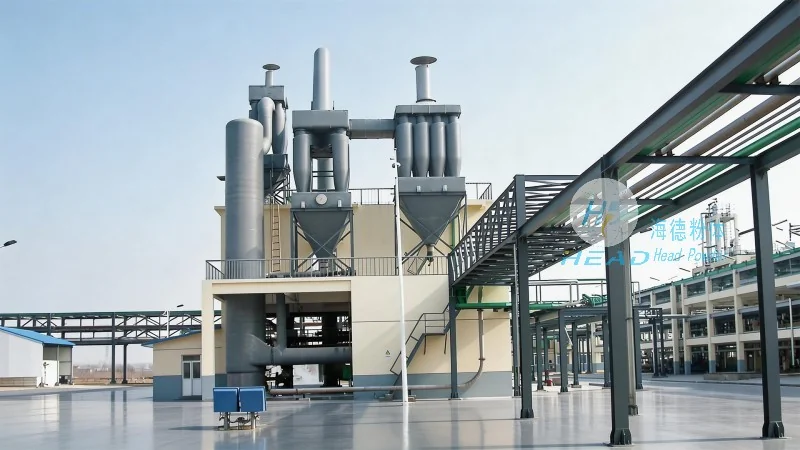
A standard riced flour bulk handling system typically consists of several key components. The initial stage involves receiving and storing the riced flour, often in silos or bulk containers. From there, the material is transferred to a conveying system, which may include screw conveyors, pneumatic conveyors, or bucket elevators, depending on the specific requirements. The conveying system must be designed to handle the material's flow characteristics without causing excessive pressure or friction that could degrade the flour. Additionally, the system includes control mechanisms to regulate the flow rate and ensure smooth operation. For example, headpowder's systems may incorporate sensors and automation to monitor moisture levels and adjust the conveying speed accordingly.
Ensuring Quality and Safety in Riced Flour Handling
Quality control is a paramount concern in riced flour bulk material handling. The system must prevent contamination from external sources and maintain the product's purity. This involves using sealed containers and clean conveyance lines. Furthermore, the design must comply with industry standards and regulations to ensure worker safety and environmental protection. HeadPowder emphasizes these aspects in their engineering solutions, providing systems that meet both quality and safety requirements. For instance, their equipment may include dust collection systems and material handling protocols that adhere to local and international guidelines.
Customization and Application in Different Industries
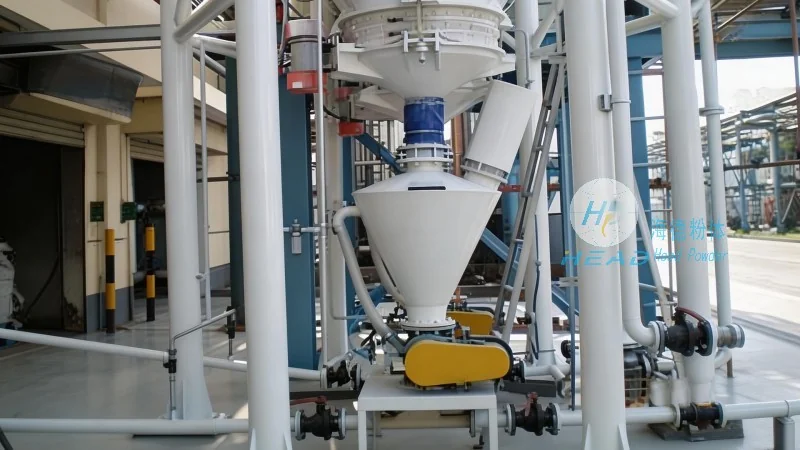
The design of riced flour bulk handling systems is highly customizable to meet the specific needs of various industries. Whether for food processing, pharmaceuticals, or other applications, the system must be tailored to the end-use requirements. For example, in the food industry, the system may need to integrate with packaging lines, ensuring that the riced flour is transferred efficiently to the final product. In pharmaceutical applications, the system must adhere to stringent cleanliness and contamination control measures. HeadPowder's expertise lies in understanding these diverse requirements and designing systems that are both effective and compliant. Their solutions are often adapted to handle varying production volumes and material properties, providing flexibility and reliability for their clients.