

What is Yellow Sand Powder Conveying? And What Are Its Design Principles?
Yellow sand powder conveying is a specialized process used in industrial applications to transport fine particulate materials like yellow sand. This method is crucial for industries that rely on efficient and reliable material handling, ensuring that powders are moved from one location to another without loss or degradation. The design principles behind yellow sand powder conveying systems are centered on optimizing flow, minimizing material degradation, and ensuring operational safety.
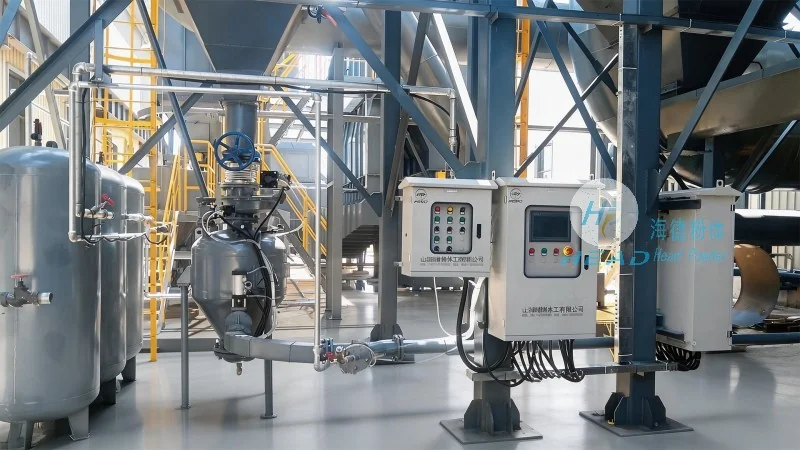
Understanding the Core Concepts of Yellow Sand Powder Conveying
At its essence, yellow sand powder conveying involves the movement of dry, fine particles through a system of pipes or ducts. Unlike bulk materials, powders require specialized handling to prevent issues such as caking, segregation, or air entrainment. The design of a yellow sand powder conveying system must address these challenges by incorporating features that maintain material integrity and ensure consistent flow rates. Key components typically include feeders, conveying lines, and control systems that work in tandem to achieve efficient transport.
The Role of HeadPowder in Yellow Sand Powder Conveying Solutions
Shandong HeadPowder Engineering Co., Ltd., commonly known as HeadPowder, is a leading provider of advanced powder handling solutions. With operations based in Shandong, China, the company specializes in designing and manufacturing systems tailored to the unique demands of yellow sand and other fine powders. HeadPowder's expertise lies in understanding the physical properties of materials like yellow sand—such as particle size, density, and flow characteristics—and translating this knowledge into effective conveying systems. The company's approach emphasizes custom solutions that meet specific operational requirements, ensuring that clients achieve optimal performance and reliability.
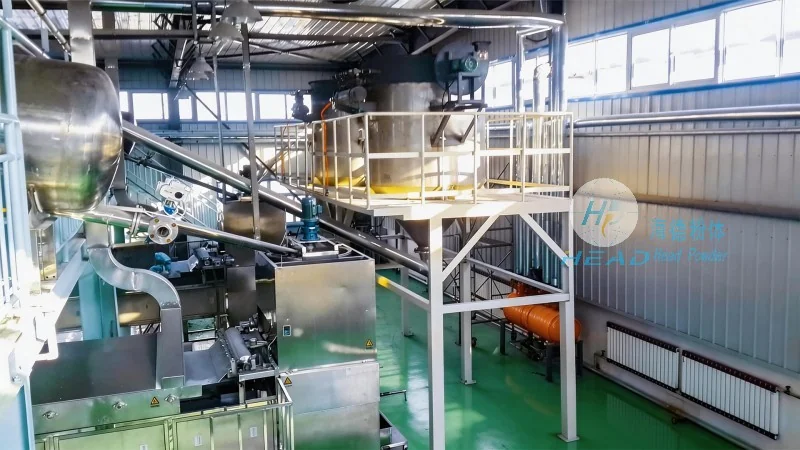
Key Design Principles for Effective Yellow Sand Powder Conveying
Several critical design principles underpin the success of yellow sand powder conveying systems. First, the system must maintain a consistent flow rate to prevent blockages or uneven material distribution. This is often achieved through the use of positive displacement feeders or rotary valves that control the amount of material entering the conveying line. Second, the design must minimize air entrainment, as excessive air can lead to material segregation and reduced conveying efficiency. This is addressed by incorporating air locks or vacuum-assisted systems that ensure a stable, dense flow of powder. Third, the system must protect the material from degradation, which can occur due to friction, temperature changes, or exposure to moisture. Materials of construction, such as stainless steel or corrosion-resistant alloys, are commonly used to prevent contamination and maintain the quality of the yellow sand.
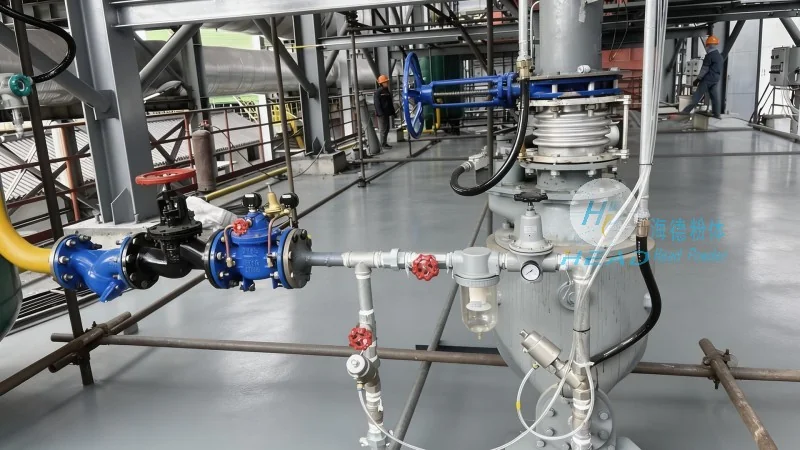
Applications and Industries Benefiting from Yellow Sand Powder Conveying
Yellow sand powder conveying is widely used across various industries, including construction, mining, and manufacturing. In the construction sector, it is essential for transporting sand used in concrete production, ensuring that the material is delivered to mixing sites without loss or contamination. The mining industry relies on powder conveying systems to transport fine ore particles from processing plants to storage or further treatment facilities. Additionally, in the manufacturing sector, yellow sand is used in the production of ceramics and glass, where precise material handling is critical to product quality. HeadPowder's systems are designed to meet the diverse needs of these industries, providing reliable solutions that enhance operational efficiency and reduce downtime.
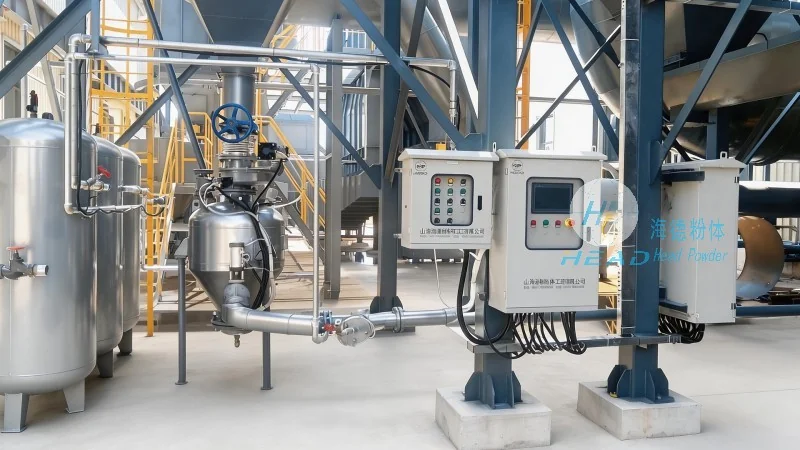
Advantages of Professional Yellow Sand Powder Conveying Systems
Implementing a professionally designed yellow sand powder conveying system offers numerous advantages for businesses. One of the primary benefits is improved material handling efficiency, as specialized systems can transport powders over long distances with minimal loss. This reduces waste and lowers operational costs, making the process more economical. Additionally, these systems enhance safety by minimizing the risk of dust explosions or inhalation hazards, which are common concerns when handling fine powders. The use of automated control systems also improves operational consistency, allowing for precise adjustments to flow rates and pressure, ensuring that the system operates optimally under varying conditions. Furthermore, the durability of well-designed systems ensures long-term reliability, reducing maintenance costs and extending the lifespan of the equipment.
Conclusion: The Importance of Expert Design in Yellow Sand Powder Conveying
In conclusion, yellow sand powder conveying is a vital process in industries that rely on fine particulate materials. The design principles behind these systems are critical to ensuring efficient, safe, and reliable material transport. Companies like Shandong HeadPowder Engineering Co., Ltd. play a crucial role in providing tailored solutions that address the unique challenges of yellow sand and other powders. By understanding the core concepts of powder handling and incorporating advanced design features, businesses can achieve optimal performance and maintain the quality of their materials. The investment in a well-designed yellow sand powder conveying system not only improves operational efficiency but also contributes to long-term success in their respective industries.