

Principles and Operational Characteristics of Polyacrylamide Powder Pneumatic Conveying
Understanding the principles and operational characteristics of polyacrylamide powder pneumatic conveying is crucial for optimizing material handling processes in various industrial applications. This article provides an in-depth exploration of the mechanisms behind this technology, alongside insights into its practical applications and key features that enhance efficiency and reliability.
Principles of Polyacrylamide Powder Pneumatic Conveying
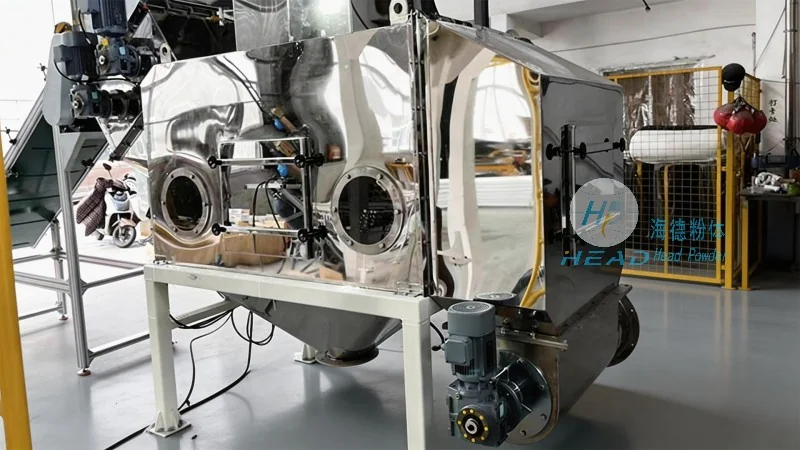
Polyacrylamide powder pneumatic conveying operates on the fundamental principle of transporting dry powders through a pressurized or vacuum system using a carrier gas, typically air. The process involves several critical steps that ensure effective material movement from the source to the destination. First, the polyacrylamide powder is introduced into a conveying line, where it is mixed with the carrier gas. The gas flow then propels the powder particles through the pipeline, leveraging the differential pressure created by the system. This method eliminates the need for mechanical components like screws or belts, reducing maintenance requirements and enhancing safety in hazardous environments. The design of the conveying system, including the type of gas (air or inert gas) and the pressure differential, directly impacts the efficiency and capacity of the process. For polyacrylamide, which is often used in water treatment and industrial processes, the pneumatic conveying system must be tailored to handle its specific properties, such as moisture sensitivity and particle size distribution. The principles also involve controlling the flow rate and pressure to prevent blockages or degradation of the powder, ensuring consistent performance.
Operational Scenarios and Key Features
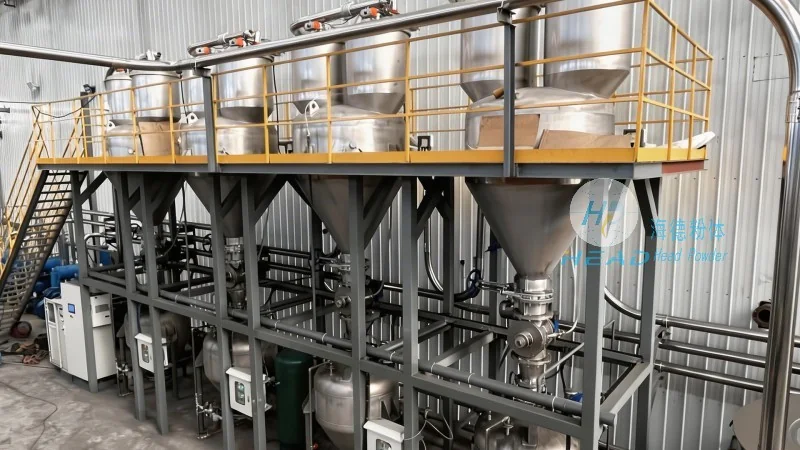
The operational scenarios for polyacrylamide powder pneumatic conveying span a wide range of industrial settings, each with unique requirements that the technology addresses effectively. In water treatment facilities, for instance, polyacrylamide is used as a flocculant to clarify water, and the pneumatic conveying system allows for precise dosing and distribution of the powder to treatment tanks. This ensures uniform mixing and optimal performance of the flocculation process. Similarly, in mining and mineral processing operations, polyacrylamide is used to improve slurry thickening and dewatering, and the conveying system facilitates the transport of the powder to processing equipment without the need for manual handling, which is both labor-intensive and hazardous. The key features of this technology include its ability to handle fine powders with high efficiency, minimal product degradation, and reduced contamination risk. The system is also flexible, allowing for integration with existing infrastructure and easy expansion as production needs grow. Additionally, the pneumatic conveying method offers advantages in terms of energy efficiency and cost-effectiveness compared to traditional mechanical conveying systems, making it a preferred choice for many industries.
Key Advantages in Application
When applied to polyacrylamide powder handling, pneumatic conveying systems offer several distinct advantages that contribute to improved operational outcomes. One of the primary benefits is the reduction in material loss and contamination, as the enclosed system prevents exposure to environmental factors and reduces the risk of dust inhalation or product degradation. This is particularly important for polyacrylamide, which can degrade when exposed to moisture or air, affecting its performance in applications. Another advantage is the enhanced safety and ergonomics, as the system eliminates the need for manual handling of powders, which can be a health hazard due to dust and potential allergens. The technology also allows for precise control over the flow rate and pressure, enabling accurate dosing of the polyacrylamide powder to meet specific process requirements. This precision is critical in industries where the dosage of flocculant directly impacts the efficiency of water treatment or slurry processing. Furthermore, the system's scalability allows for adaptation to varying production volumes, from small-scale laboratory applications to large industrial plants. The reliability of pneumatic conveying systems, with minimal downtime due to mechanical failures, ensures consistent performance and reduces operational costs over time.
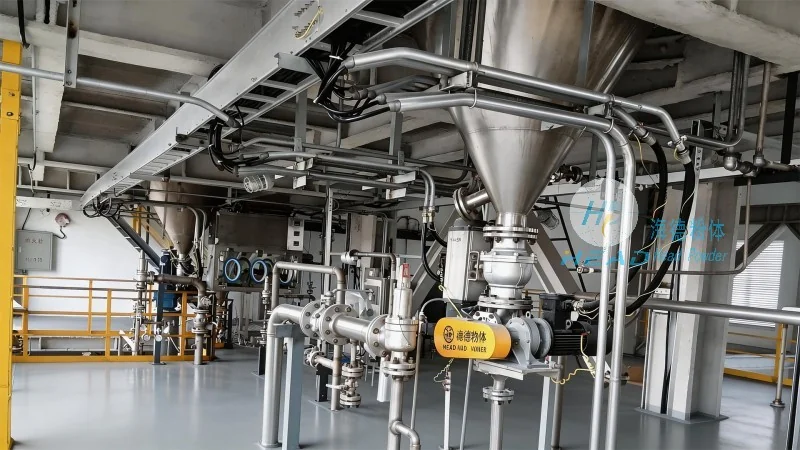
Shandong HeadPowder Engineering Co., Ltd., a leading provider of polyacrylamide products and conveying solutions, specializes in designing and implementing efficient pneumatic conveying systems tailored to the unique needs of each client. With a focus on innovation and customer satisfaction, the company leverages its expertise to deliver high-quality polyacrylamide powders and advanced conveying technologies that enhance the performance of industrial processes. HeadPowder Engineering's commitment to quality and reliability has made it a trusted partner for businesses in water treatment, mining, and other industries that rely on polyacrylamide for their operational success.