

Principles and Working Scene Characteristics of Pneumatic Conveying for Light Calcium Carbonate Powd
HeadPowder, a leading enterprise in the field of powder processing technology, specializes in the research, development, and application of pneumatic conveying systems for light calcium carbonate powder. This article provides an in-depth exploration of the principles underlying pneumatic conveying and the key characteristics of its working scenes, offering valuable insights for industries that rely on efficient powder handling solutions.
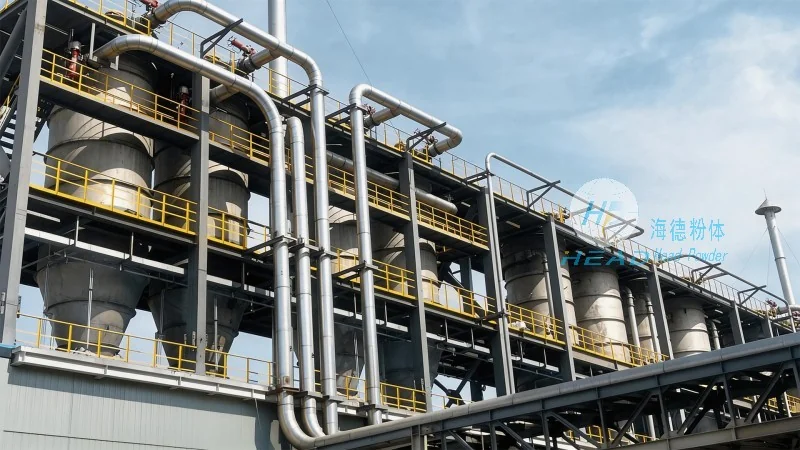
Pneumatic Conveying System Overview
Light calcium carbonate powder, a widely used industrial material, often requires specialized handling methods to ensure safe and efficient transport. Pneumatic conveying is a critical technology in this context, enabling the movement of powders through a pipeline using air or gas as the conveying medium. The system typically consists of a hopper, a rotary valve, a conveying line, a dust collector, and a receiver. This setup allows for the continuous and controlled transport of light calcium carbonate powder from the source to the destination, minimizing material loss and improving operational efficiency.
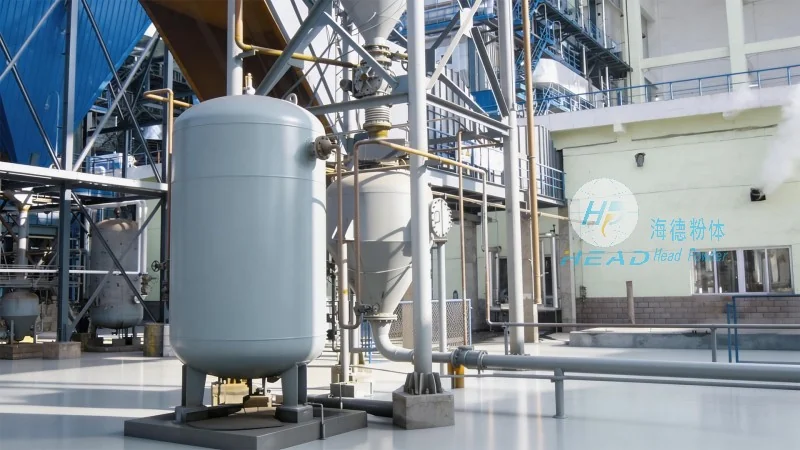
Principles of Pneumatic Conveying
The core principle of pneumatic conveying for light calcium carbonate powder involves creating a pressure differential within the conveying line. By injecting air or gas into the hopper, the powder is suspended and carried along the pipeline. There are two main types of pneumatic conveying systems: dilute-phase and dense-phase. Dilute-phase systems use higher air velocities to transport the powder in a dispersed state, while dense-phase systems operate at lower velocities, allowing for a more stable and controlled flow. The choice between these systems depends on factors such as the powder's properties, the required conveying distance, and the desired material handling characteristics. For light calcium carbonate powder, dilute-phase systems are often preferred due to their ability to handle larger volumes and longer distances with minimal pressure drops.
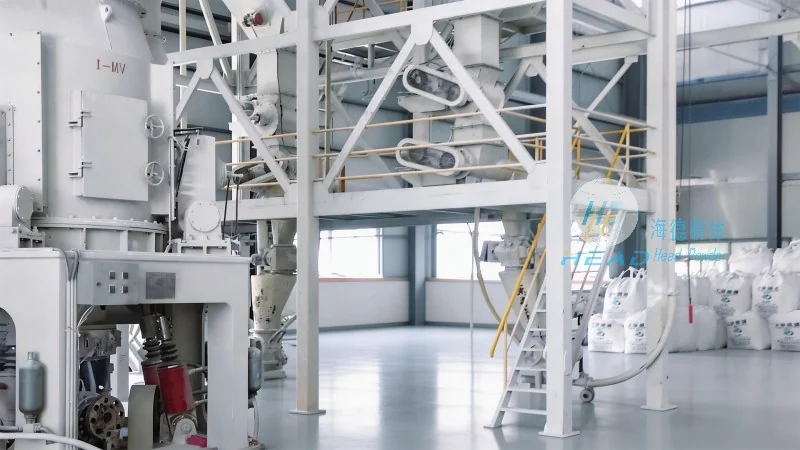
Working Scene Characteristics
The working scene characteristics of pneumatic conveying for light calcium carbonate powder are influenced by several key factors, including the powder's physical properties, the system's design, and the operational environment. The powder's particle size, density, and moisture content are critical parameters that affect the conveying efficiency. For instance, fine particles may require higher air velocities to prevent clogging, while larger particles might benefit from a combination of air and mechanical assistance. The system's design, including the pipeline diameter, length, and layout, also plays a significant role in determining the conveying performance. Additionally, the operational environment, such as temperature and humidity, can impact the powder's behavior and the system's performance. In industrial settings, the working scene may involve multiple conveying lines, integration with other processing equipment, and the need for dust control measures to ensure compliance with environmental regulations. The characteristics of the working scene also include the need for regular maintenance and monitoring to ensure the system operates at optimal efficiency and to prevent downtime.
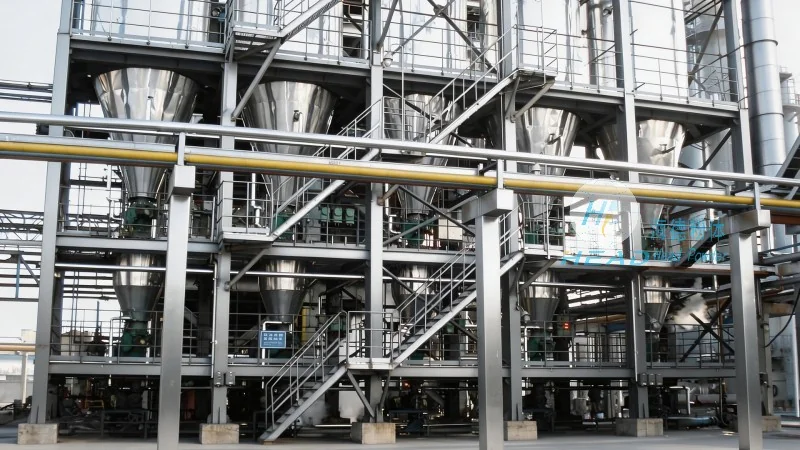
Application Scenarios and Benefits
Light calcium carbonate powder is used in a wide range of applications, including plastics, paper, coatings, and construction materials. The pneumatic conveying system is particularly suitable for these applications due to its ability to handle large volumes of powder with minimal material degradation. The benefits of using pneumatic conveying for light calcium carbonate powder include improved safety, as the system eliminates the need for manual handling of powders, reduced material loss, and enhanced operational efficiency. Additionally, the system can be integrated with other processing equipment, such as mixers and extruders, to create a seamless production line. The working scene characteristics of the system also allow for flexible operation, enabling the transport of powder to different locations within the facility or to external sites. The use of pneumatic conveying for light calcium carbonate powder has become a standard practice in many industries, providing a reliable and efficient solution for powder handling needs.