

Principles and Working Scene Characteristics of Pneumatic Conveying for Lithium-Ion Battery Anode Ma
HeadPowder, a leading engineering solutions provider based in Shandong, China, specializes in advanced material handling technologies, particularly pneumatic conveying systems tailored for the lithium-ion battery industry. This article explores the fundamental principles of pneumatic conveying as applied to anode material powders and highlights the key characteristics of operational scenarios where such systems are most effective.
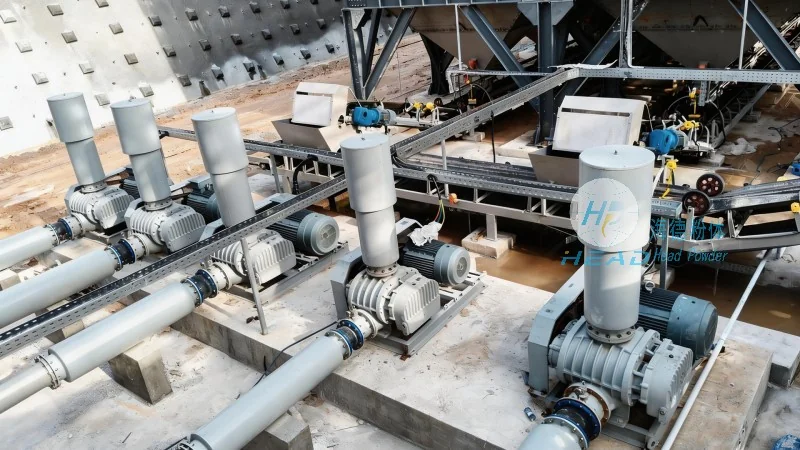
Understanding Pneumatic Conveying Principles
Pneumatic conveying is a method of transporting bulk materials, such as fine powders, through a pipeline using pressurized or vacuum air. In the context of lithium-ion battery anode materials, this technology is crucial for efficiently moving materials like graphite, silicon, and other composite powders from storage to processing equipment. The core principle involves creating a flow of air that entrains the powder particles, allowing them to be transported without direct contact with the pipeline walls. This process relies on the balance between air velocity and particle size, density, and shape to ensure stable and efficient transport. There are two primary types of pneumatic conveying systems: dilute-phase and dense-phase. Dilute-phase systems use high air velocities to keep particles suspended, suitable for short distances and low to medium material loads. Dense-phase systems, on the other hand, use lower air velocities and higher material concentrations, which is ideal for longer distances and more sensitive materials that require gentler handling to prevent degradation or agglomeration.
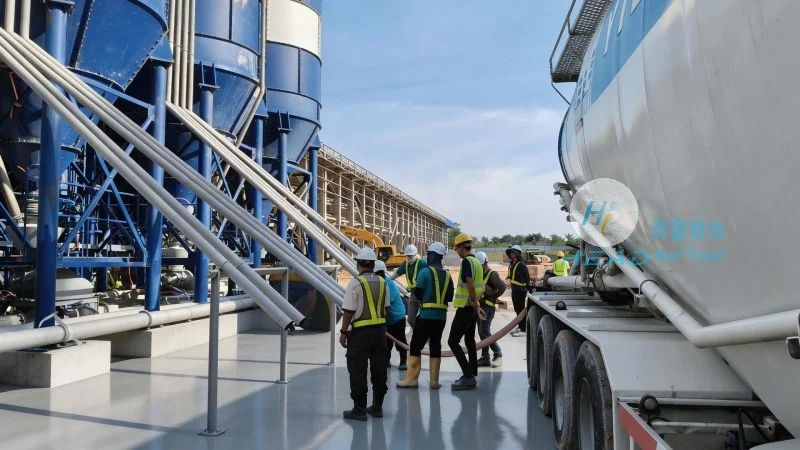
Key Working Scene Characteristics
The effectiveness of pneumatic conveying systems for lithium-ion battery anode materials is heavily influenced by the specific operational environment and material properties. Several key characteristics define the ideal working scenes for these systems:
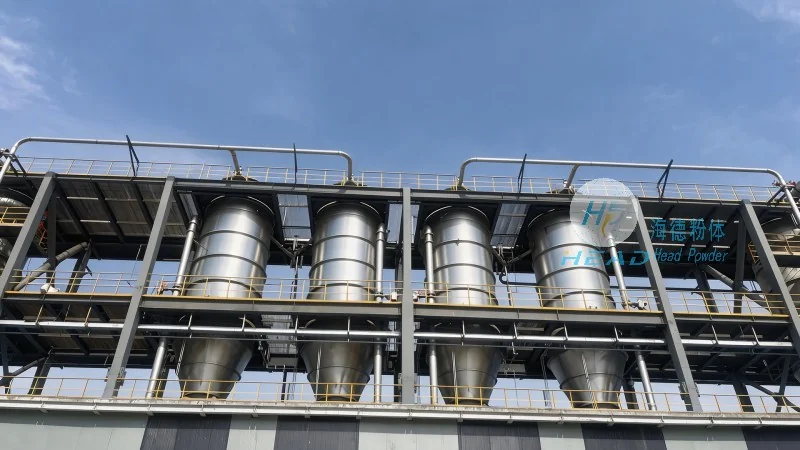
Firstly, the material's particle size distribution and flowability are critical factors. Anode materials often consist of fine powders with varying particle sizes, which can affect the conveying efficiency and system pressure drop. Systems designed for such materials must account for these variations to maintain consistent performance. Secondly, the need for contamination control is paramount in battery manufacturing. Pneumatic conveying systems can be configured with closed-loop designs to prevent dust exposure and cross-contamination, ensuring that the anode material remains pristine and free from impurities that could impact battery performance. Thirdly, the system's scalability and integration capabilities are important. In modern battery production lines, material handling systems must be able to integrate seamlessly with other equipment, such as mixers, extruders, and coating machines. This requires flexible and adaptable pneumatic conveying solutions that can handle varying material volumes and processing requirements. Fourthly, energy efficiency and operational costs are significant considerations. Advanced pneumatic conveying systems use optimized air flow and pressure control to minimize energy consumption while maintaining high material throughput. This is particularly important for large-scale battery manufacturing operations where operational costs can significantly impact overall profitability.
Application Examples and Operational Benefits
Real-world applications of pneumatic conveying for lithium-ion battery anode materials demonstrate the technology's versatility and benefits. For instance, in a battery cell manufacturing facility, an anode material powder is stored in a bulk container and then conveyed through a pneumatic system to a mixing machine. The system's ability to handle fine powders without agglomeration ensures that the mixing process produces a uniform composite material, which is essential for consistent battery performance. Another example is the transport of anode material from a production line to a storage silo. The closed-loop design of the pneumatic system prevents dust emissions and maintains material quality, aligning with environmental regulations and quality standards. The operational benefits of such systems include improved safety by reducing manual handling of powders, increased productivity through automated material transport, and enhanced material quality control by minimizing exposure to contaminants. Additionally, the flexibility of pneumatic conveying allows for easy adjustments to production schedules, enabling manufacturers to respond quickly to market demands without significant system modifications.
Conclusion and Company Expertise
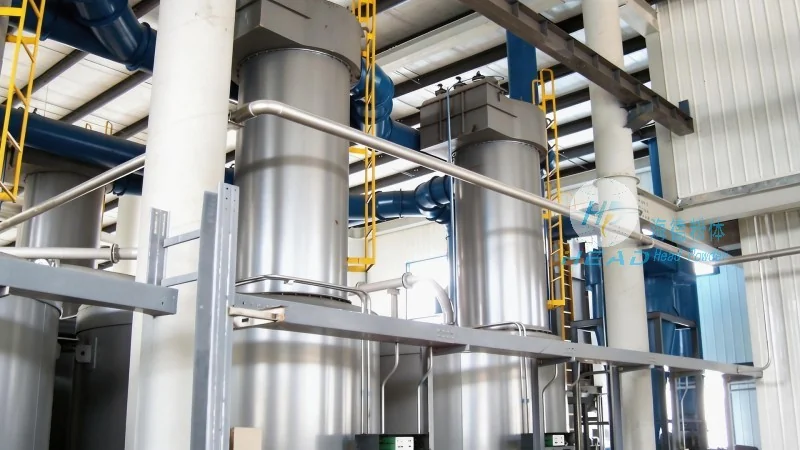
As the demand for lithium-ion batteries continues to grow, the efficiency and reliability of material handling systems, particularly pneumatic conveying for anode materials, become increasingly important. HeadPowder Engineering Co., Ltd., with its headquarters in Shandong, China, offers specialized engineering solutions tailored to the unique challenges of the battery industry. By understanding the principles of pneumatic conveying and the specific characteristics of operational scenarios, manufacturers can optimize their material handling processes, improve product quality, and enhance overall operational efficiency. The company's expertise in designing and implementing advanced pneumatic conveying systems ensures that clients receive customized solutions that meet their exact requirements, supporting the continuous advancement of the lithium-ion battery industry.