

Principles and Working Scene Characteristics of Metallurgical Coke Material Handling
Metallurgical coke is a critical raw material in the steelmaking process, and efficient material handling is essential for maintaining production efficiency and safety. This article explores the principles and working scene characteristics of metallurgical coke material handling systems, highlighting the key factors that influence their design and operation.
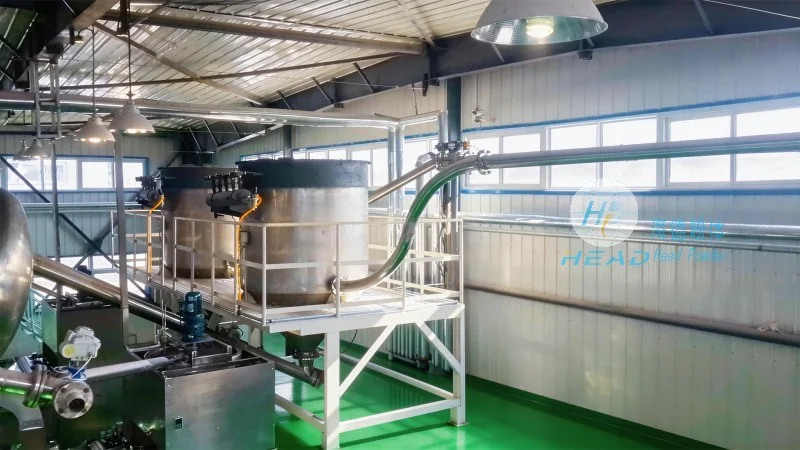
Understanding Metallurgical Coke Material Handling Principles
Metallurgical coke material handling involves the movement of coke from storage facilities to processing units, such as coke ovens or blast furnaces. The primary goal is to ensure a continuous and reliable supply of coke while minimizing operational disruptions. Key principles include: ensuring proper storage conditions to maintain coke quality, optimizing material flow to reduce downtime, and implementing safety measures to prevent accidents. The design of these systems must consider factors like coke bulk density, moisture content, and the specific requirements of downstream processes.
Working Scene Characteristics of Metallurgical Coke Handling
The working scene of metallurgical coke material handling varies based on the scale of the operation and the specific industrial environment. In large-scale steel plants, the handling systems are typically integrated into a comprehensive material management network, involving multiple stages from storage to transport. For instance, in a typical coke plant, coke is first stored in bulk storage silos or stockpiles, then transferred to conveyor systems for transport to the coke ovens. The working scene may include heavy machinery such as belt conveyors, stackers, and reclaimers, which are designed to handle large volumes of coke efficiently. Additionally, the environment may involve high temperatures and dust, requiring specialized equipment and safety protocols.
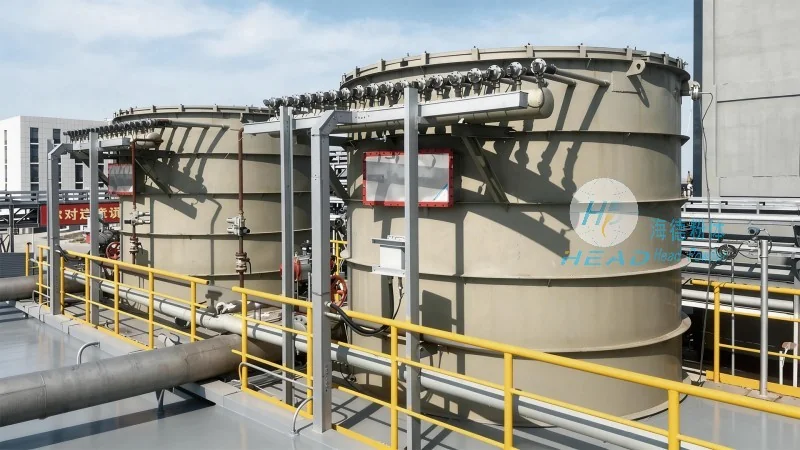
Key Components and Technologies in Metallurgical Coke Handling
Modern metallurgical coke material handling systems incorporate advanced technologies to enhance performance and reliability. Key components include: bulk material handling equipment like belt conveyors, bucket elevators, and screw conveyors; storage systems such as silos and stockpiles; and control systems that monitor and regulate the flow of coke. The use of sensors and automation technologies helps in real-time monitoring of material levels, flow rates, and equipment performance, enabling proactive maintenance and reducing operational risks. Additionally, the integration of material flow analysis and simulation tools allows for the optimization of system design to meet specific production demands.
Operational Efficiency and Safety Considerations
Operational efficiency is a critical aspect of metallurgical coke material handling, as downtime can significantly impact production output. The systems are designed to minimize bottlenecks and ensure smooth material flow. This involves proper sizing of conveyor systems, regular maintenance schedules, and the use of high-quality materials that can withstand the abrasive nature of coke. Safety considerations are paramount due to the heavy machinery and potential hazards like dust explosions. Implementing measures such as dust suppression systems, proper ventilation, and regular safety inspections helps in maintaining a safe working environment. Additionally, the use of ergonomic designs and operator training programs enhances overall safety and operational efficiency.
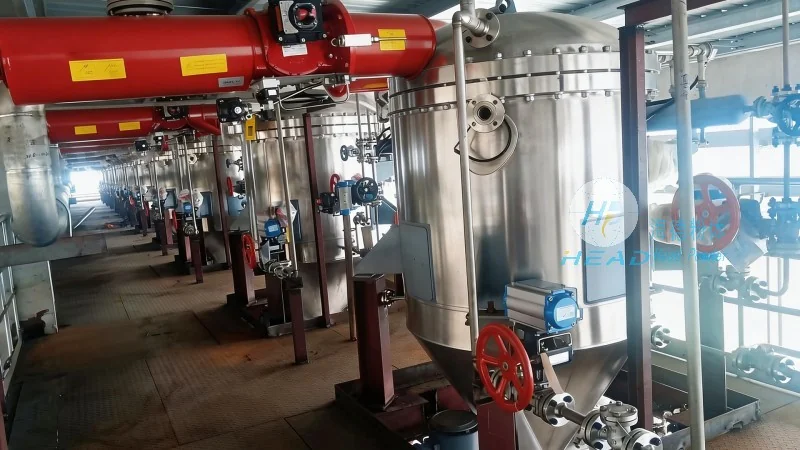
Case Study: A Typical Metallurgical Coke Handling System
Consider a large steel plant in Shandong, China, where the metallurgical coke handling system is designed to support daily production needs. The system includes a 200,000-ton capacity coke storage silo, a series of belt conveyors for material transport, and a coke oven battery. The working scene involves continuous operation, with the handling system processing coke at a rate of 1,200 tons per hour. The system's design ensures that coke is stored under controlled conditions, with moisture and temperature monitored to maintain quality. The integration of automation and control systems allows for real-time monitoring of all components, enabling quick response to any issues that may arise. This case study illustrates the importance of a well-designed material handling system in supporting the overall production process and ensuring operational efficiency.
Conclusion
Metallurgical coke material handling is a complex but essential part of the steelmaking process. Understanding the principles and working scene characteristics of these systems is crucial for optimizing performance and ensuring safety. By incorporating advanced technologies and adhering to best practices, companies can enhance the efficiency and reliability of their material handling operations. For businesses in the metallurgical industry, partnering with experienced engineering companies like Shandong HeadPowder Engineering Co., Ltd. can provide the expertise needed to design and implement effective material handling solutions.