

Principles and Working Scene Characteristics of Dry Yeast Material Handling
HeadPowder, a leading enterprise in the field of powder engineering, specializes in the design, manufacturing, and application of advanced material handling solutions. This article delves into the fundamental principles of dry yeast material handling and explores the key characteristics of its working environments, providing a comprehensive overview for industry professionals.
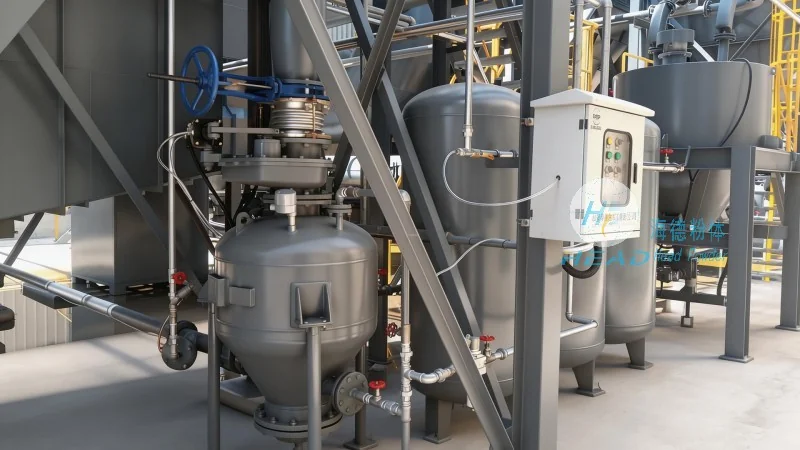
Company Profile: Shandong HeadPowder Engineering Co., Ltd.
HeadPowder, with its headquarters in Shandong, China, is dedicated to delivering innovative and efficient solutions for powder processing. The company's expertise spans a wide range of applications, including the handling of dry yeast, a critical ingredient in the food and beverage industry. By leveraging advanced engineering and technical knowledge, HeadPowder ensures that its systems meet the highest standards of performance, safety, and reliability.
The Core Principles of Dry Yeast Material Handling
Dry yeast material handling involves the movement, storage, and transfer of yeast powder from one location to another within industrial facilities. The primary goal is to maintain the quality and integrity of the yeast while ensuring efficient and safe operation. Several key principles underpin the design and operation of such systems:
Firstly, the principle of dust control is paramount. Dry yeast is a fine powder that can easily generate dust, which poses health and safety risks as well as potential contamination issues. Advanced dust collection systems, such as cyclones and bag filters, are integrated into the material handling process to minimize airborne particles and ensure a clean working environment.
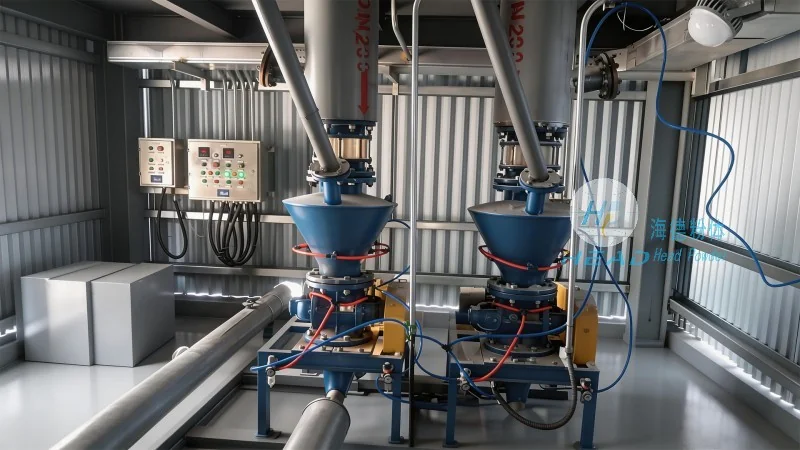
Secondly, the principle of flow control is essential for maintaining consistent material movement. Properly designed hoppers, chutes, and conveyor systems are used to ensure that yeast flows smoothly without clogging or bridging. This is achieved through the use of appropriate angles, material properties, and mechanical aids like vibrators or air knives.
Thirdly, the principle of hygiene and contamination prevention is critical. Yeast is a sensitive product that requires strict adherence to sanitary standards. All components of the material handling system, including hoppers, conveyors, and storage silos, are constructed from materials that are non-porous, easy to clean, and resistant to microbial growth. Regular cleaning and maintenance protocols are also implemented to prevent cross-contamination.
Working Scene Characteristics of Dry Yeast Material Handling
The working environments where dry yeast material handling systems are deployed exhibit distinct characteristics that influence system design and operation. These characteristics include:
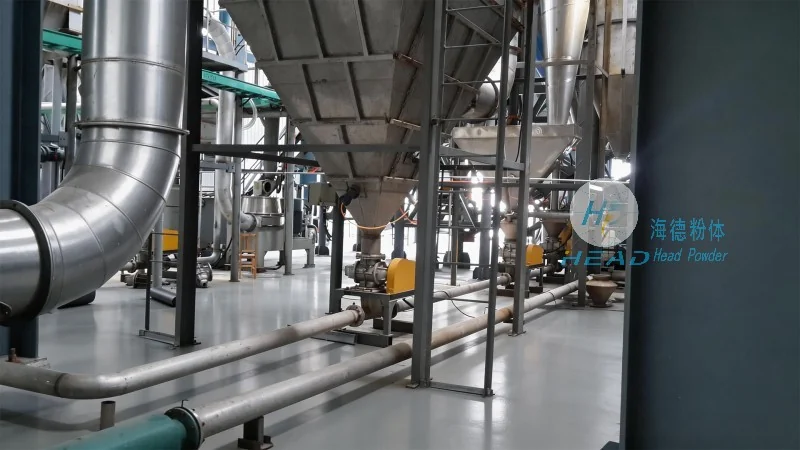
1. **High-Purity Requirements**: In the food and beverage industry, the quality of yeast is directly linked to the final product's taste and nutritional value. Therefore, the material handling system must be designed to prevent any contamination from external sources, such as moisture, other powders, or microorganisms.
2. **Variable Flow Rates**: Production processes often involve fluctuations in demand, leading to variable flow rates of yeast. The system must be capable of handling these changes without compromising efficiency or causing material buildup.
3. **Space Constraints**: Industrial facilities may have limited space, requiring compact and modular material handling solutions. HeadPowder's systems are designed to be flexible and adaptable, allowing for installation in confined areas while maintaining optimal performance.
4. **Safety and Compliance**: The handling of dry yeast involves strict safety regulations to protect workers from dust inhalation and to prevent fire hazards. The systems are equipped with safety features such as dust explosion-proof designs, emergency stop mechanisms, and monitoring systems to ensure compliance with local and international standards.
Application Examples and System Integration
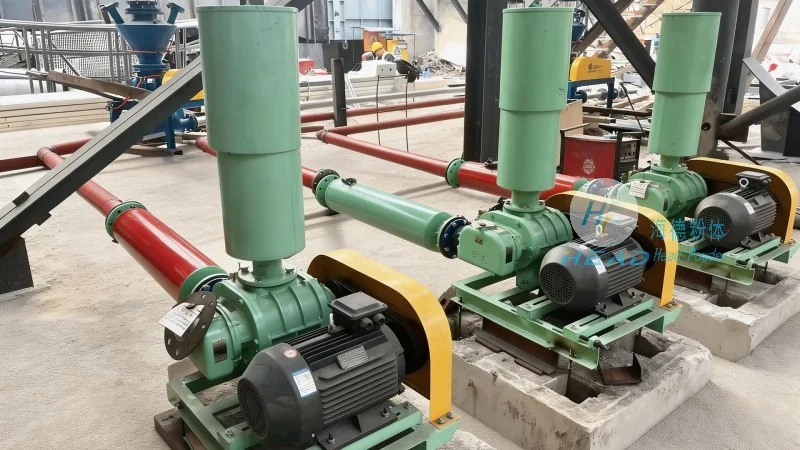
Dry yeast material handling systems are widely used in various industrial settings, including breweries, bakeries, and food processing plants. For instance, in a brewery, the system may involve the transfer of yeast from a storage silo to a fermentation tank, where it is used to start the fermentation process. The system must be integrated with other equipment, such as mixers and pumps, to ensure seamless operation and precise control of the yeast dosage.
In a bakery, the yeast handling system may be part of a larger production line that includes mixing, kneading, and baking. The system ensures that the correct amount of yeast is added to the dough, which is crucial for the dough's texture and rising properties. The integration of the material handling system with the overall production process is essential for maintaining efficiency and product quality.
Conclusion
Understanding the principles and characteristics of dry yeast material handling is essential for optimizing industrial operations in the food and beverage industry. HeadPowder's expertise in powder engineering provides comprehensive solutions that address the unique challenges of yeast handling, ensuring high-quality, safe, and efficient material transfer. By adhering to the core principles of dust control, flow management, and hygiene, these systems contribute to the overall success of production processes and the quality of end products.