

[Rice Grain Material Conveying: Principles and Application Scenarios]
HeadPowder, a leading engineering company based in Shandong, China, specializes in the design and implementation of efficient material handling systems for various industrial applications. This article delves into the fundamental principles of rice grain material conveying and highlights the key characteristics of its operational environments, providing a comprehensive overview for professionals in the food processing and logistics sectors.
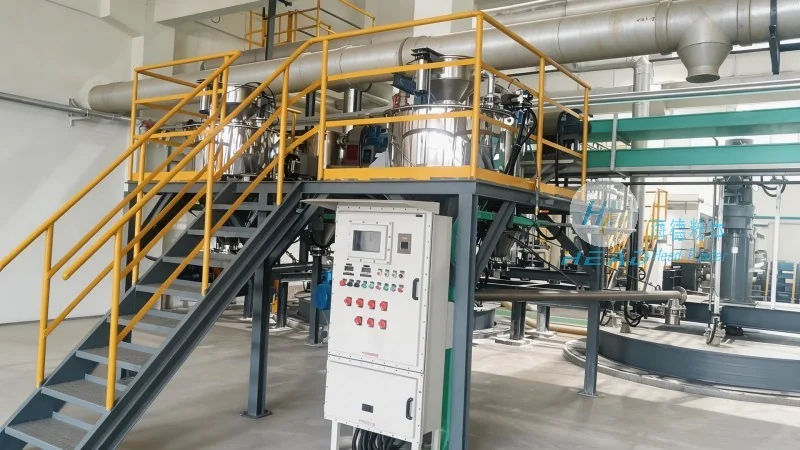
Understanding the Core Principles of Rice Grain Material Conveying
The efficient transport of rice grains from one location to another is a critical process in the agricultural and food processing industries. At the heart of this operation lies a combination of mechanical engineering principles and material science knowledge. The primary goal is to move bulk rice grains with minimal loss, damage, or contamination while ensuring optimal flow rates and energy efficiency. Several key principles underpin the design of rice grain conveying systems:
Firstly, the selection of appropriate conveying equipment is crucial. Different types of conveyors, such as belt conveyors, screw conveyors, and pneumatic conveyors, are used based on the specific characteristics of rice grains—like their size, moisture content, and bulk density. For instance, belt conveyors are ideal for transporting large quantities of rice over short to medium distances, offering high capacity and low maintenance. Screw conveyors, on the other hand, are suitable for vertical or inclined transport, providing a compact solution for elevating rice grains from storage silos to processing units. Pneumatic conveyors, or air-based systems, are particularly effective for handling fine or dusty rice particles, as they can transport materials through pipelines with minimal friction and risk of breakage.
Secondly, the design of the conveying system must consider the physical properties of rice grains. Rice is a granular material with a relatively low bulk density compared to other grains, which affects how it flows and moves through the system. Engineers must account for factors like particle size distribution, moisture content, and the presence of impurities to ensure smooth operation. For example, high moisture content can cause rice grains to clump together, leading to blockages in the conveyor. Proper drying and cleaning processes are therefore essential to maintain consistent material flow and prevent system downtime.
Thirdly, the integration of control systems and sensors plays a vital role in optimizing rice grain conveying operations. Modern conveying systems often incorporate sensors to monitor flow rates, detect blockages, and adjust speed in real-time. This automation enhances efficiency and reduces the risk of material loss or damage. Additionally, the use of variable frequency drives (VFDs) allows for precise control of conveyor speed, adapting to changes in material volume and ensuring energy savings.
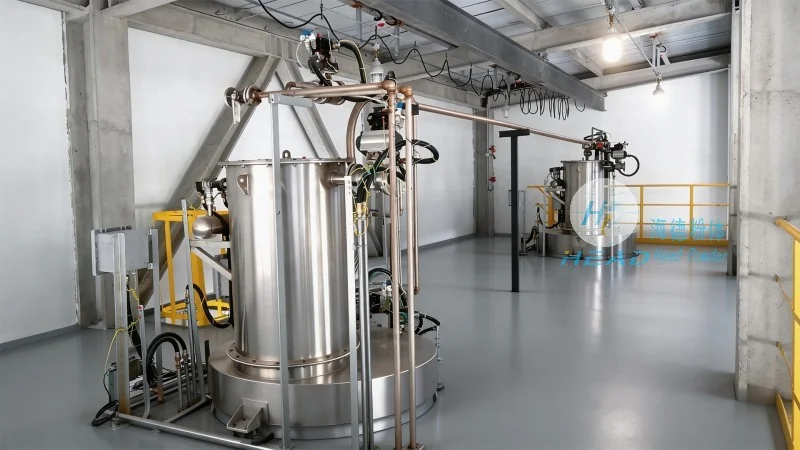
Key Working Scene Characteristics of Rice Grain Conveying Systems
The operational environment of rice grain conveying systems varies significantly depending on the stage of the rice processing cycle. Understanding these characteristics is essential for selecting the right equipment and ensuring reliable performance. The main working scenes include:
1. **Harvest and Storage:** After harvesting, rice grains are often stored in large silos or bulk storage facilities. The conveying system in this stage involves moving rice from the field to storage, typically using bulk handling equipment like bucket elevators or pneumatic conveyors. The key characteristics here are the need for high capacity to handle large volumes and the importance of preventing moisture absorption, which can lead to spoilage.
2. **Processing and Milling:** Once stored, rice grains move to processing facilities where they undergo cleaning, drying, and milling. The conveying systems in this phase are designed to transport rice through various processing stages, such as cleaning screens, de-stoners, and drying ovens. The working environment is characterized by high humidity and the presence of dust, requiring equipment that can handle abrasive materials and maintain hygiene standards.
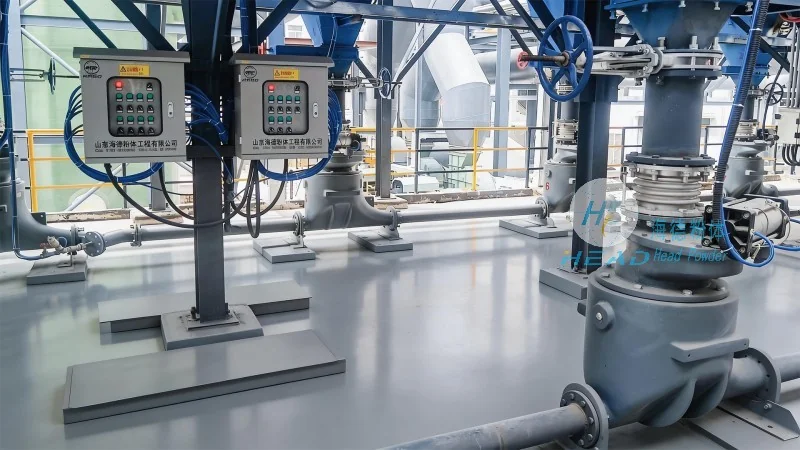
3. **Packaging and Distribution:** After milling, rice is packaged for distribution to markets. The conveying systems in this stage involve transporting finished products from the milling line to packaging machines and storage areas. The key characteristics include the need for gentle handling to preserve product quality and the requirement for accurate and consistent flow rates to meet packaging line speeds.
Application Scenarios and Industry Impact
Rice grain material conveying systems are widely used across various industries, including food processing, agriculture, and logistics. The applications range from small-scale farms to large industrial mills, each with unique requirements. For example, in small-scale rice processing operations, simple belt conveyors may suffice for short-distance transport. In contrast, large-scale commercial mills may use complex, integrated systems combining multiple conveyor types to handle high throughput and ensure smooth workflow.
The impact of efficient rice grain conveying extends beyond the processing plant. It contributes to overall supply chain efficiency by reducing transportation costs and minimizing product loss. By ensuring that rice grains are moved safely and efficiently from field to table, these systems play a critical role in meeting global food demand and supporting sustainable agricultural practices.
Conclusion
In conclusion, the principles and working scene characteristics of rice grain material conveying are fundamental to the success of rice processing operations. By understanding the mechanical and material properties of rice grains and selecting appropriate conveying equipment, companies like Shandong HeadPowder Engineering Co., Ltd. can design systems that enhance productivity, reduce costs, and ensure product quality. As the demand for rice continues to grow, the importance of efficient material handling will only increase, making this field a vital area of industrial engineering.