

Working Principle and Features of a Ferrous Sulfate Material Pneumatic Conveyor
For industrial applications involving the handling of ferrous sulfate, an efficient and reliable material conveying system is crucial. The pneumatic conveyor designed specifically for ferrous sulfate material offers a solution that combines performance, durability, and operational efficiency. This article explores the working principle and key features of such a system, providing insights into how it operates and the advantages it brings to material handling processes.
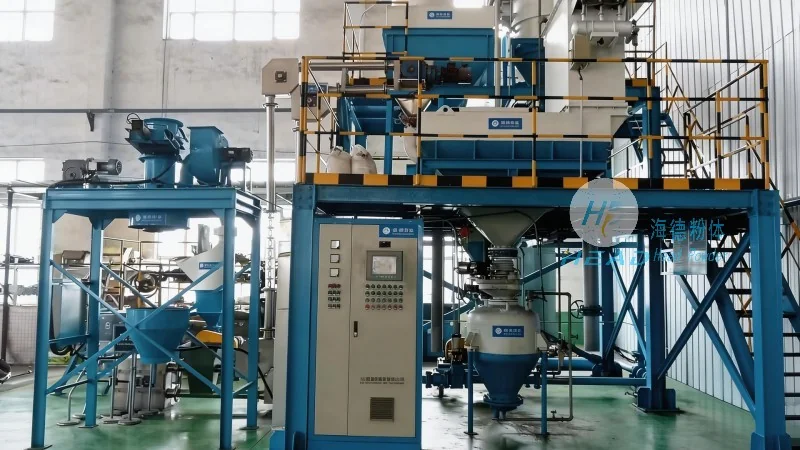
Introduction to Ferrous Sulfate Pneumatic Conveying Systems
Ferrous sulfate, also known as iron(II) sulfate, is a widely used chemical in various industries, including water treatment, agriculture, and manufacturing. Handling this material efficiently requires equipment that can manage its physical properties, such as its density, flowability, and potential for dust generation. A pneumatic conveyor system is an ideal choice for transporting ferrous sulfate from one location to another within a facility, offering a flexible and cost-effective solution compared to traditional methods like belt conveyors or bucket elevators.
Working Principle of the Ferrous Sulfate Pneumatic Conveyor
The core of the ferrous sulfate pneumatic conveyor is its ability to use air pressure to move material through a pipeline. The system operates on the principle of creating a pressure differential between the inlet and outlet of the conveyor. Here’s a step-by-step breakdown of how it works:
1. Material Loading: The ferrous sulfate material is fed into the conveyor’s hopper or inlet chamber. This is typically done using a feeder or a manual loading mechanism, ensuring a consistent flow of material into the system.
2. Air Intake and Compression: A fan or blower is activated to generate a flow of air within the conveyor’s pipeline. The air is compressed to a specific pressure, which is sufficient to overcome the resistance of the material as it moves through the system.
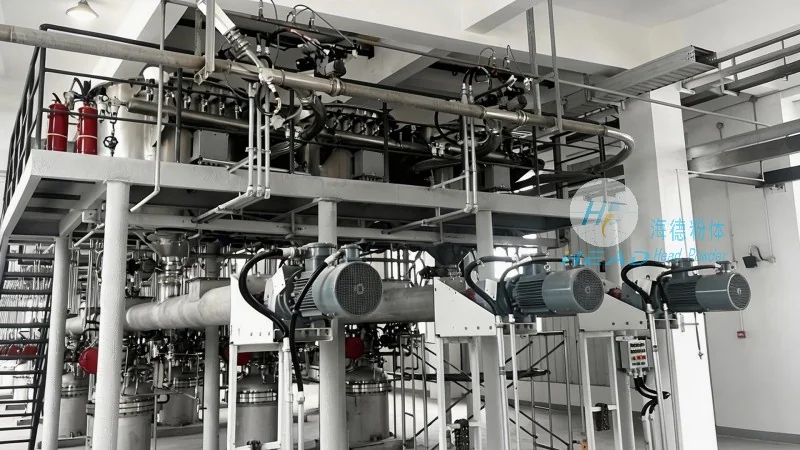
3. Material Suspension and Transport: As the air flows through the pipeline, it creates a stream that suspends the ferrous sulfate particles. The material is carried along with the air stream, moving from the inlet to the outlet of the conveyor. The velocity of the air and the design of the pipeline determine the speed and efficiency of the transport process.
4. Discharge and Air Separation: At the end of the conveyor, the material is discharged into a collection bin or container. Simultaneously, the air, now carrying any residual dust or particles, passes through a separator or filter to remove the material and return clean air to the system or to the environment.
Key Features and Advantages of the Ferrous Sulfate Pneumatic Conveyor
The ferrous sulfate pneumatic conveyor from Shandong HeadPowder Engineering Co., Ltd. is engineered with several features that enhance its performance and usability. These include:
1. High Efficiency and Low Maintenance: The system is designed for continuous operation with minimal downtime. Its components, such as the fan and pipeline, are built to withstand the corrosive nature of ferrous sulfate, reducing the need for frequent maintenance and replacement.
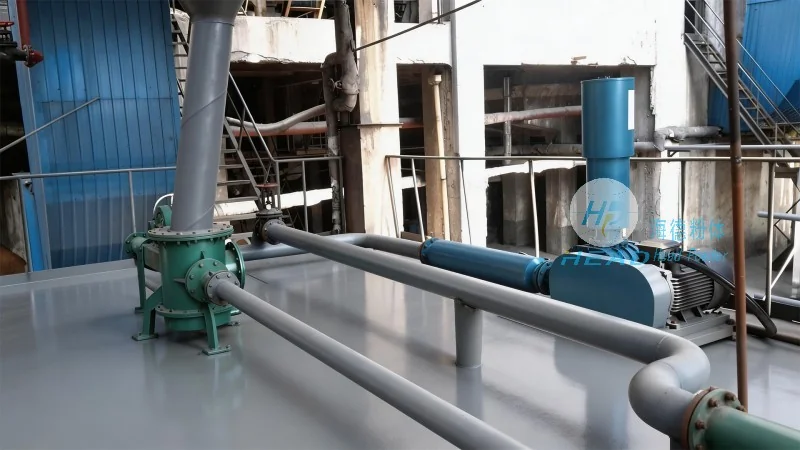
2. Flexible and Scalable Design: The conveyor can be customized to fit various plant layouts and material handling requirements. It can be extended or modified to accommodate changes in production volume or facility expansion, providing long-term value.
3. Low Dust and Environmental Friendliness: By using air as the transport medium, the system minimizes dust generation compared to other methods. This not only improves workplace safety but also reduces environmental impact, making it a more sustainable choice for industrial operations.
4. Energy Efficiency: The pneumatic conveyor operates efficiently, using less energy than traditional mechanical conveyors. The fan’s design and the system’s airflow management ensure optimal energy consumption, contributing to lower operational costs.
Application and Operational Considerations
The ferrous sulfate pneumatic conveyor is suitable for a range of applications, from small-scale laboratory use to large-scale industrial production. When implementing this system, several operational considerations should be taken into account:
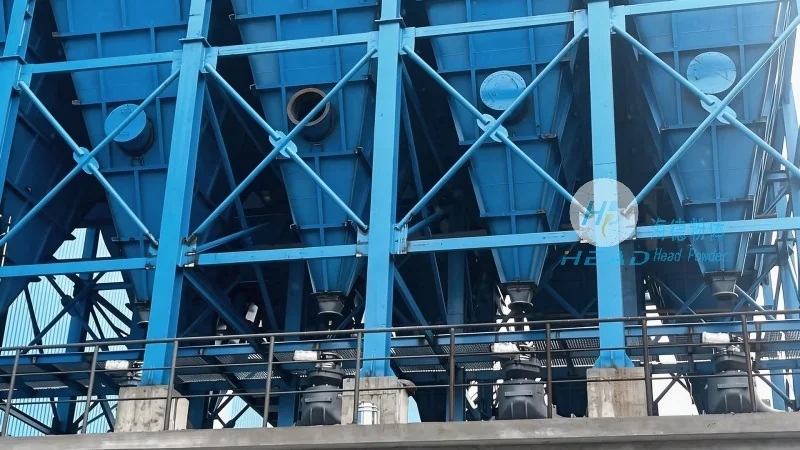
1. Material Properties: Understanding the characteristics of ferrous sulfate, such as its particle size, moisture content, and flowability, is essential for optimizing the conveyor’s performance. Adjustments to the air pressure and flow rate may be necessary to ensure smooth transport.
2. System Sizing and Layout: Proper sizing of the fan, pipeline diameter, and length is critical to avoid pressure drops or material blockages. The layout of the conveyor should be planned to minimize bends and changes in direction, which can affect the material’s flow and the system’s efficiency.
3. Safety and Maintenance: Regular inspection and maintenance of the system are vital to ensure safe and reliable operation. This includes checking the fan’s performance, cleaning the filters, and inspecting the pipeline for any signs of wear or corrosion.
Conclusion
The ferrous sulfate pneumatic conveyor from Shandong HeadPowder Engineering Co., Ltd. represents a modern and effective solution for material handling in industries that rely on ferrous sulfate. By leveraging the principles of pneumatic transport, this system offers high efficiency, flexibility, and environmental benefits. With its robust design and customizable features, it is an ideal choice for businesses seeking to improve their material handling processes while maintaining operational efficiency and safety.