

Working Principle and Features of Corn Feed Material Pneumatic Conveying Equipment
For those in the feed industry, efficient and reliable material handling is crucial for operational success. The corn feed material pneumatic conveying equipment, developed by Shandong HeadPowder Engineering Co., Ltd., based in Shandong, China, represents a sophisticated solution designed to meet these demands. This equipment is engineered to handle corn feed and other similar bulk materials with precision, ensuring minimal loss and optimal processing efficiency.
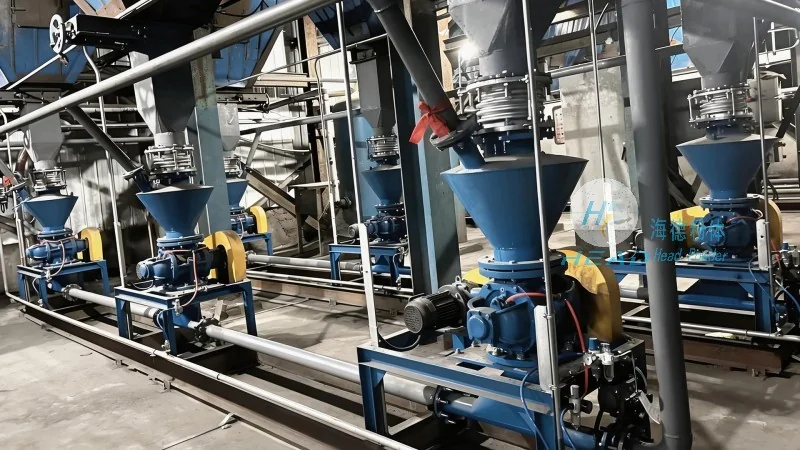
Working Principle of Corn Feed Material Pneumatic Conveying Equipment
The core of the corn feed material pneumatic conveying system lies in its air-driven mechanism. It operates by using compressed air to transport materials through a network of pipes. The process typically begins with the material being fed into a hopper or feeder, where it is then drawn into the conveying line by the air flow. The system can be categorized into two main types: pressure and vacuum systems. In a pressure system, air is introduced at the discharge end, pushing the material forward. Conversely, a vacuum system draws material from the source by creating a negative pressure at the inlet. This dual approach allows for flexibility in different operational scenarios, such as transporting materials over long distances or through complex layouts.
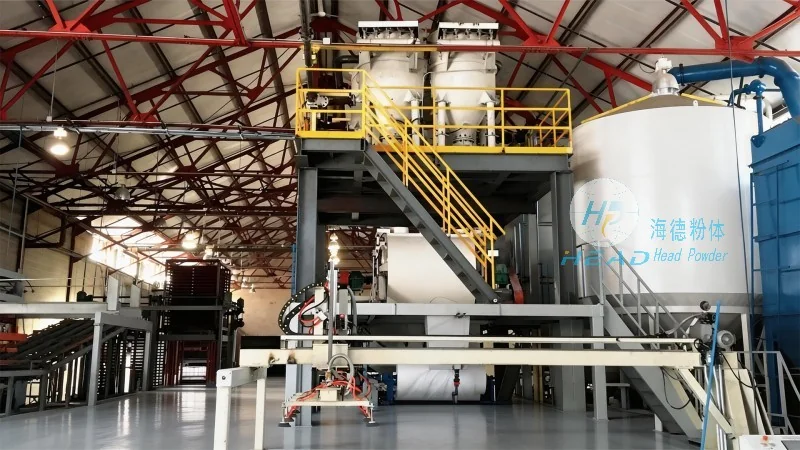
Key Features of the Equipment
Shandong HeadPowder Engineering Co., Ltd. has integrated several advanced features into their corn feed material pneumatic conveying equipment to enhance performance and user experience. One of the standout features is the high efficiency in material transport, which significantly reduces labor costs and improves overall productivity. The equipment is also designed with durability in mind, utilizing high-quality materials that can withstand the abrasive nature of corn feed and other bulk materials. This ensures a longer service life and lower maintenance requirements over time. Additionally, the system incorporates advanced control technology, allowing for precise regulation of air pressure and flow rates. This not only optimizes the conveying process but also minimizes energy consumption, contributing to cost savings and environmental sustainability. The equipment is also equipped with safety features, such as pressure relief valves and overcurrent protection, to prevent accidents and ensure safe operation in industrial settings.
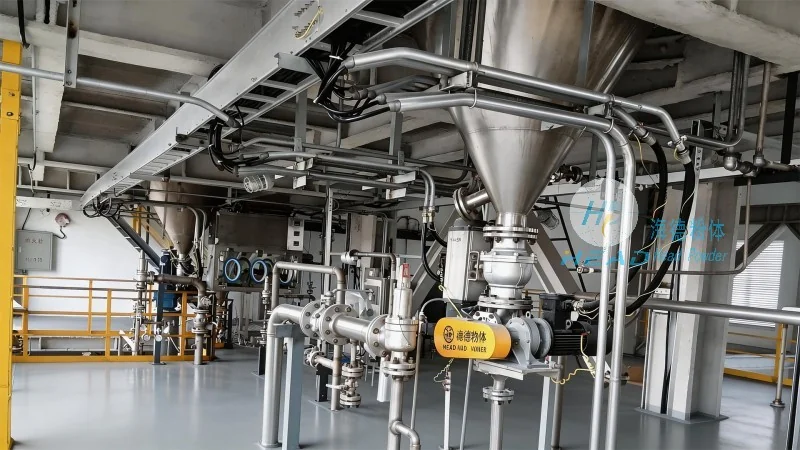
Customization and Application Flexibility
Understanding that different feed processing facilities have unique requirements, Shandong HeadPowder Engineering Co., Ltd. offers customizable solutions tailored to specific needs. The equipment can be adapted to handle various particle sizes and moisture levels of corn feed, making it versatile for different production scales. Whether for small-scale farms or large industrial feed mills, the system can be scaled to meet the demands. The modular design allows for easy integration into existing production lines, minimizing downtime during installation. This flexibility ensures that the equipment can be seamlessly incorporated into the workflow, enhancing operational continuity and efficiency.
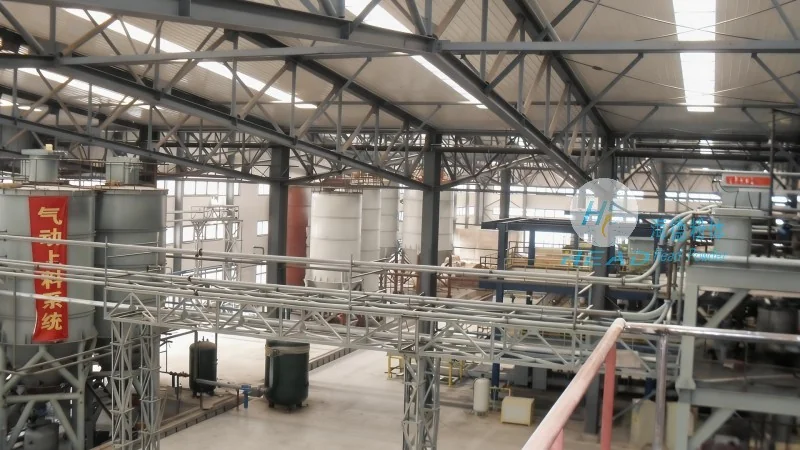
Benefits for Feed Processing Industries
The implementation of corn feed material pneumatic conveying equipment by Shandong HeadPowder Engineering Co., Ltd. brings numerous benefits to feed processing industries. Firstly, it significantly improves the hygiene standards of material handling. Unlike traditional methods that involve manual handling or open conveyors, the pneumatic system keeps the material enclosed, reducing contamination risks and ensuring compliance with food safety regulations. Secondly, it enhances operational efficiency by automating the material transport process. This reduces the need for manual labor, leading to lower labor costs and increased throughput. The system also minimizes material loss during transport, as the enclosed design prevents spillage and dust emissions. This not only saves on material costs but also contributes to a cleaner working environment. Furthermore, the energy-efficient design of the equipment helps in reducing operational costs over the long term, making it a cost-effective investment for feed processing facilities.