

Working Principle and Features of Activated Carbon Material Pneumatic Conveying Equipment
Activated carbon material pneumatic conveying equipment is a specialized system engineered to efficiently and safely transport activated carbon, a critical material utilized across diverse industrial sectors including water treatment, air purification, and chemical processing. This equipment is instrumental in ensuring the seamless and reliable movement of activated carbon from storage to processing units, thereby enhancing operational efficiency and minimizing downtime. The subsequent sections will provide an in-depth exploration of the working principle and key features of this equipment, offering a comprehensive understanding of its functionality and benefits.
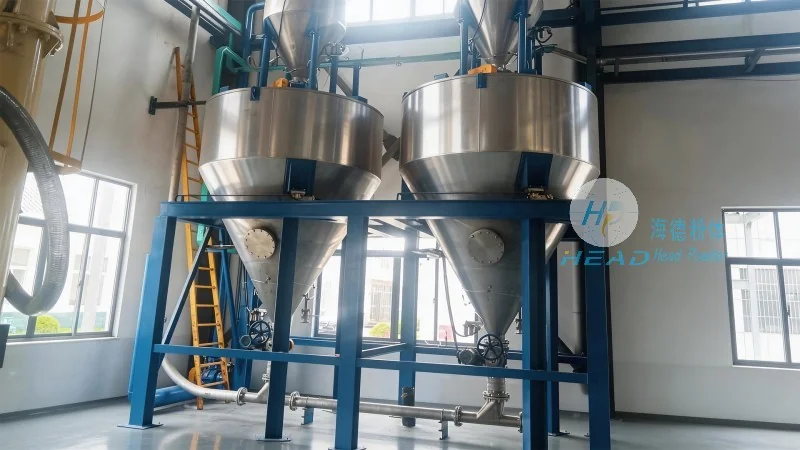
Company Information
HeadPowder, a leading manufacturer in material handling solutions, specializes in developing advanced pneumatic conveying systems tailored to the unique requirements of industries dealing with activated carbon and other fine powders. With a strong commitment to quality and innovation, Shandong HeadPowder Engineering Co., Ltd. has established itself as a trusted partner for businesses seeking reliable and efficient material transport solutions. Headquartered in Shandong, China, the company leverages extensive experience and technical expertise to deliver customized solutions that optimize operational performance and enhance product quality.
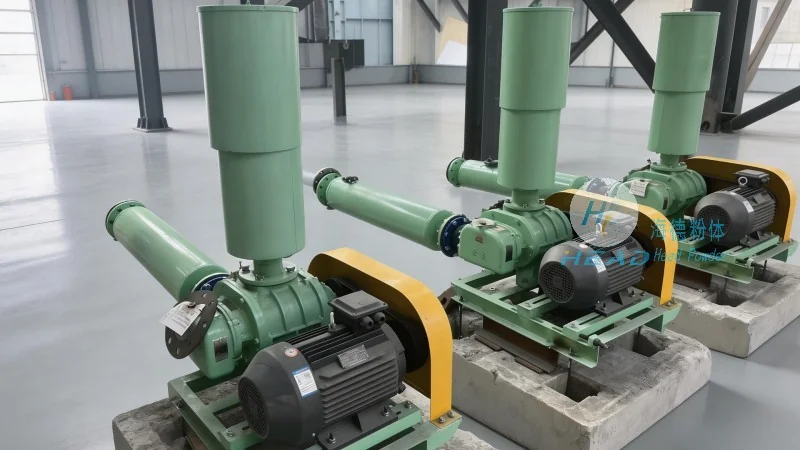
Working Principle of Activated Carbon Material Pneumatic Conveying Equipment
The core working principle of activated carbon material pneumatic conveying equipment centers on utilizing air as the conveying medium to transport activated carbon particles. The system typically operates on either pressure or vacuum, depending on the specific application requirements. In a pressure system, compressed air is introduced into the conveying line, creating a pressure differential that propels the activated carbon particles through the pipeline. The equipment comprises several essential components: a hopper for material storage, a feeder to regulate the flow rate, a conveying line with appropriate diameter and length, and a receiver to collect the material at the destination. The process initiates when activated carbon is fed into the hopper, and the feeder controls the discharge rate to ensure a consistent material flow. Compressed air is then introduced into the conveying line, generating positive pressure that lifts and transports the particles. The air velocity is carefully managed to prevent particle segregation and maintain uniform flow. The conveying line may include bends, expansions, and other components to facilitate material movement while minimizing pressure loss and wear. At the receiving end, the material is deposited into the designated container, and the air is filtered and either returned to the system or released safely. This continuous cycle enables efficient and automated transport of activated carbon, reducing manual handling and associated risks.
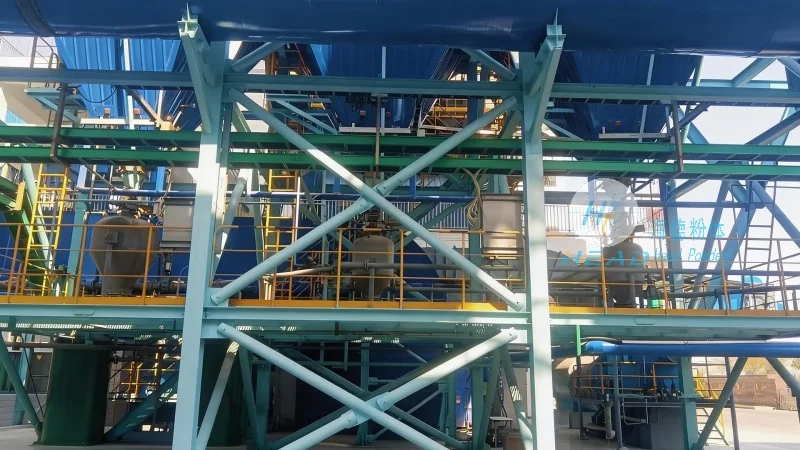
Key Features and Advantages
Activated carbon material pneumatic conveying equipment offers several distinct features and advantages that make it an ideal choice for industries dealing with activated carbon. One primary feature is its capability to handle fine and abrasive materials without causing excessive wear to system components. The equipment is constructed with robust materials and advanced sealing mechanisms to ensure long-term durability and minimal maintenance. Another key feature is the system's flexibility regarding conveying distance and material flow rate. It can be customized to accommodate various distances, from short to long, and adjusted to handle different flow rates based on operational needs. The equipment also provides excellent control over the material's temperature and moisture content, which is crucial for preserving the quality of activated carbon. By minimizing exposure to external elements and controlling air flow, the system helps maintain material properties and prevent degradation. Additionally, the pneumatic conveying process eliminates the need for mechanical components such as belts or buckets, reducing the risk of material contamination and improving overall hygiene—particularly important in industries where product purity is paramount, like pharmaceuticals and food processing. The system also offers high efficiency in energy consumption, as it uses compressed air efficiently and minimizes energy losses during the conveying process, contributing to lower operational costs and more sustainable operations. Furthermore, the equipment is designed with safety features to prevent dust explosions and ensure compliance with industrial safety standards. The use of explosion-proof components and proper ventilation systems helps mitigate risks associated with handling fine powders. Overall, the activated carbon material pneumatic conveying equipment provides a reliable, efficient, and safe solution for transporting activated carbon, enhancing productivity and operational performance.
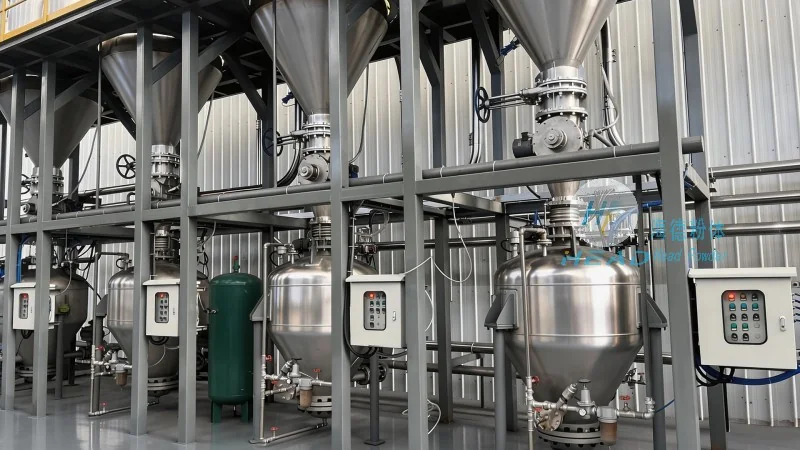
Conclusion
In conclusion, activated carbon material pneumatic conveying equipment is a sophisticated and essential component in industries that rely on activated carbon for their processes. By understanding its working principle and leveraging its key features, businesses can optimize their material handling operations, reduce costs, and improve overall efficiency. HeadPowder, with its expertise and commitment to quality, continues to provide advanced solutions that meet the evolving needs of the industry. The equipment's ability to handle fine powders efficiently, maintain material quality, and ensure safety makes it a preferred choice for companies seeking reliable material transport solutions. As the demand for activated carbon grows, the importance of efficient and effective conveying systems becomes increasingly critical, and this equipment plays a vital role in meeting those demands.