

Working Principle and Features of Graphene Material Pneumatic Conveying Equipment
Graphene material pneumatic conveying equipment is a specialized system designed for the efficient and safe transportation of graphene-based materials. This equipment is crucial in industrial applications where handling lightweight, high-value materials like graphene powder requires precision and control. The following sections will explore the working principle and key features of such equipment, providing insights into how it operates and its advantages in material handling.
Understanding the Working Principle of Graphene Material Pneumatic Conveying Equipment
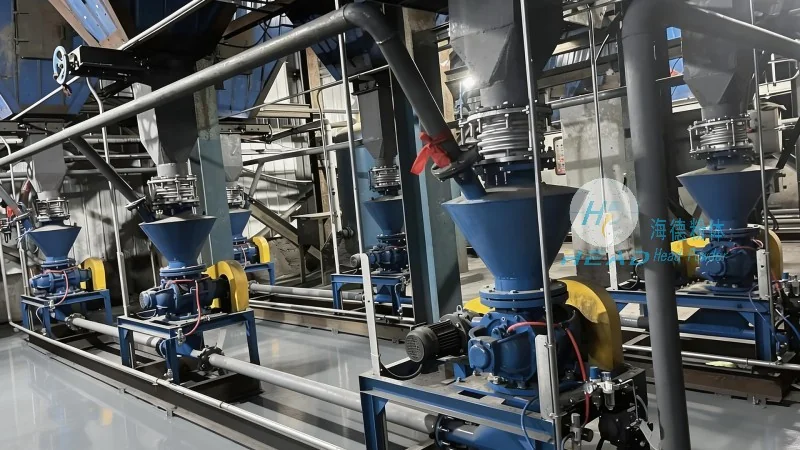
The core working principle of graphene material pneumatic conveying equipment relies on the use of air or other gases to transport solid particles through a pipeline system. This method, known as pneumatic conveying, eliminates the need for mechanical components like belts or buckets, reducing friction and wear on the material. The process typically involves a few key steps: material feeding, air induction, particle acceleration, and discharge. In the case of graphene materials, which are often fine powders with unique properties, the conveying system must be designed to handle their specific characteristics, such as low bulk density and potential reactivity.
During operation, the material is fed into a hopper or feeder, where it is then introduced into a pipeline. Simultaneously, a fan or blower generates a flow of air within the pipeline. The air flow creates a pressure differential that draws the graphene particles into the stream, accelerating them to the desired velocity for transport. The equipment may use different conveying modes, including dilute phase (where particles are suspended in the air stream) or dense phase (where particles are more concentrated), depending on the material's properties and the required distance of transport. For graphene, dilute phase conveying is often preferred due to its ability to handle fine powders without causing agglomeration or degradation.
Key Features of Graphene Material Pneumatic Conveying Equipment
Several critical features distinguish high-quality graphene material pneumatic conveying equipment. These features are tailored to meet the unique demands of handling graphene, ensuring efficiency, safety, and product integrity. One of the primary features is the use of advanced material handling components, such as high-precision feeders and flexible hoses, which minimize material degradation and ensure consistent flow rates. The equipment also incorporates robust filtration systems to prevent dust contamination and maintain air quality, which is essential for maintaining the purity of graphene products.
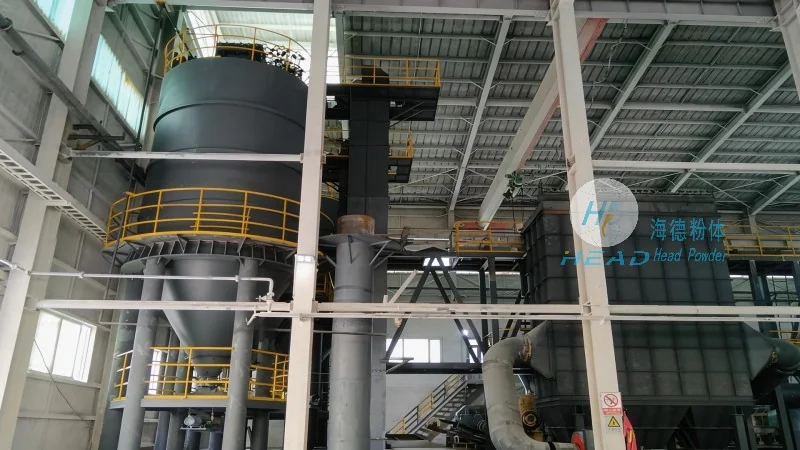
Another important feature is the system's ability to handle varying particle sizes and moisture content. Graphene powders can have different particle distributions, and the conveying equipment must be adaptable to accommodate these variations. This adaptability is achieved through adjustable air flow rates and pressure controls, allowing operators to optimize the conveying process for different material batches. Additionally, the equipment often includes monitoring and control systems, such as pressure sensors and flow meters, which provide real-time data on the conveying process, enabling immediate adjustments to maintain optimal performance.
Energy efficiency is also a significant feature of modern graphene material pneumatic conveying systems. By optimizing air flow and reducing energy consumption, these systems minimize operational costs while maintaining high conveying rates. This is particularly important for large-scale industrial applications where continuous operation is required. The equipment may also incorporate energy recovery mechanisms, such as using the exhaust air to preheat incoming material or to power auxiliary systems, further enhancing its efficiency.
Benefits of Using Graphene Material Pneumatic Conveying Equipment
The adoption of graphene material pneumatic conveying equipment offers numerous benefits for industries dealing with graphene-based materials. The most notable advantage is the improved safety and hygiene in material handling. Unlike mechanical systems that may cause dust generation or particle breakage, pneumatic conveying minimizes exposure to airborne particles, reducing health risks for operators and maintaining product purity. This is especially critical for graphene, which is often used in applications requiring high purity, such as electronics and advanced composites.
Another significant benefit is the enhanced efficiency and productivity. Pneumatic conveying systems can transport materials over long distances with minimal loss and high throughput, reducing downtime and increasing overall production capacity. The ability to handle fine powders without agglomeration also ensures consistent material quality, which is vital for downstream processes. Furthermore, the equipment's compact design and modular construction allow for easy integration into existing production lines, making it a flexible solution for various industrial settings.
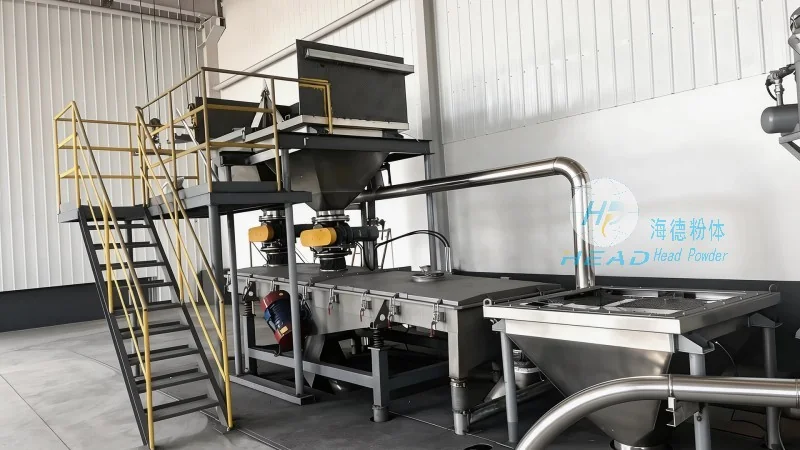
Cost-effectiveness is another key advantage. By reducing the need for manual handling and mechanical components, pneumatic conveying systems lower maintenance and operational costs over time. The initial investment may be higher than traditional systems, but the long-term savings in labor, maintenance, and material loss make it a cost-effective choice for large-scale operations. Additionally, the energy-efficient design of modern systems contributes to lower utility costs, further improving the overall economic viability of the equipment.
Application Examples in Industrial Settings
Graphene material pneumatic conveying equipment is widely used in various industrial applications where the handling of fine powders is essential. One common application is in the production of graphene-based composites, where the equipment is used to transport graphene powder to mixing and extrusion lines. The precise control of material flow ensures uniform distribution of graphene in the composite, leading to improved mechanical properties and performance. Another application is in the electronics industry, where graphene is used as a conductive material in batteries and flexible circuits. The conveying system ensures that the graphene powder is delivered to the manufacturing line without contamination, maintaining the high conductivity required for these applications.
In the pharmaceutical and chemical industries, the equipment is used to handle graphene-based additives in the production of advanced materials. The ability to maintain product purity and prevent cross-contamination is critical in these sectors, and pneumatic conveying systems meet these requirements effectively. Additionally, in research and development laboratories, the equipment is used for small-scale experiments and material testing, providing a reliable method for handling and transporting graphene samples.