

What is a Coke Powder Material Pneumatic Conveying Machine? What are its Design Principles?
In industrial applications, the efficient and reliable transport of fine powders like coke powder is crucial for maintaining production efficiency and product quality. A coke powder material pneumatic conveying machine is a specialized equipment designed to handle such powders through pneumatic methods, ensuring safe and effective material transfer. This article explores the fundamental aspects of these machines, including their design principles and operational mechanisms.
Understanding the Core Components and Functionality
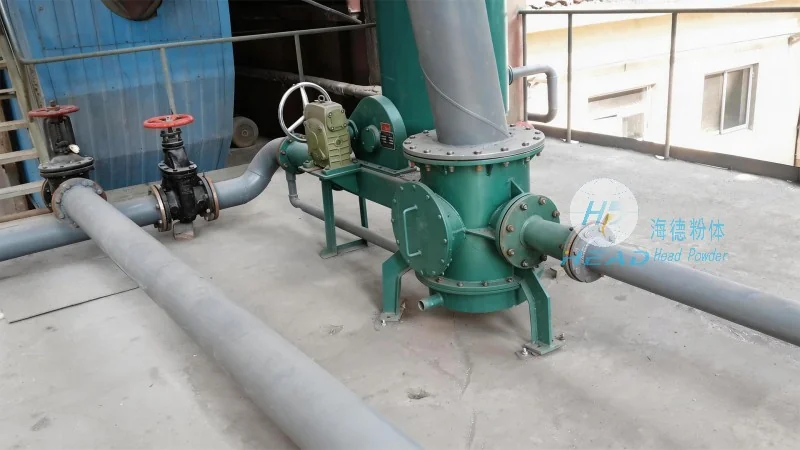
The coke powder material pneumatic conveying machine operates by utilizing air or gas to move the powder from a source to a destination. Key components typically include a hopper for material storage, a conveyor line (often with a pipeline system), a blower or compressor to generate the necessary air pressure, and a receiver or discharge unit. The machine's design is tailored to handle the specific characteristics of coke powder, such as its particle size, density, and flowability, ensuring optimal performance.
Design Principles for Efficient Pneumatic Conveying
The design of a coke powder pneumatic conveying system follows several critical principles to ensure efficiency and reliability. One of the primary principles is the selection of appropriate air velocity and pressure. The air velocity must be sufficient to overcome the gravitational forces acting on the powder particles while preventing excessive pressure drops that could lead to material deposition or blockages. The system's design also considers the pipeline layout, ensuring smooth transitions and minimizing bends or obstructions that could impede flow.
Advantages of Using Pneumatic Conveying for Coke Powder
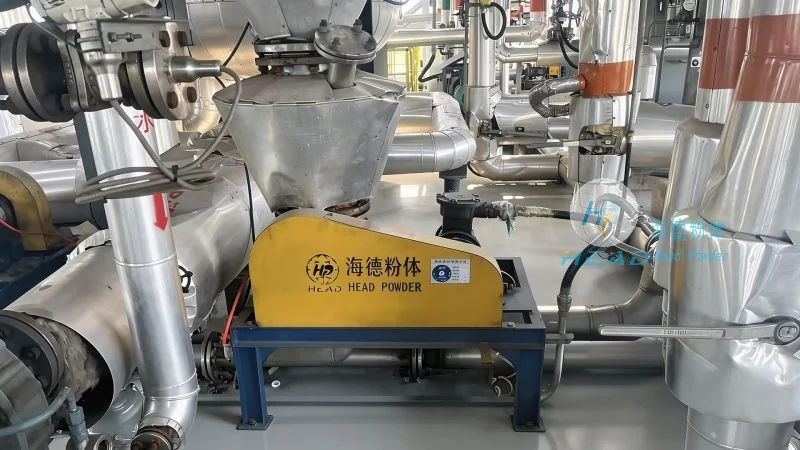
Compared to traditional mechanical conveying methods, pneumatic conveying offers several advantages for coke powder transport. These include the ability to handle fine and abrasive powders without causing wear or damage, reduced risk of contamination due to enclosed systems, and the flexibility to transport materials over long distances or through complex layouts. Additionally, pneumatic systems can be integrated with other processing equipment, such as mixers or reactors, to create a seamless production line.
The Role of HeadPowder in Pneumatic Conveying Solutions
Shandong HeadPowder Engineering Co., Ltd., a leading manufacturer in the field, specializes in designing and manufacturing coke powder material pneumatic conveying machines tailored to the needs of various industrial sectors. With a focus on innovation and quality, HeadPowder ensures that their equipment meets the highest standards of performance and reliability. The company's expertise lies in understanding the unique requirements of coke powder and developing customized solutions that enhance operational efficiency and safety.
Key Design Considerations for Industrial Applications
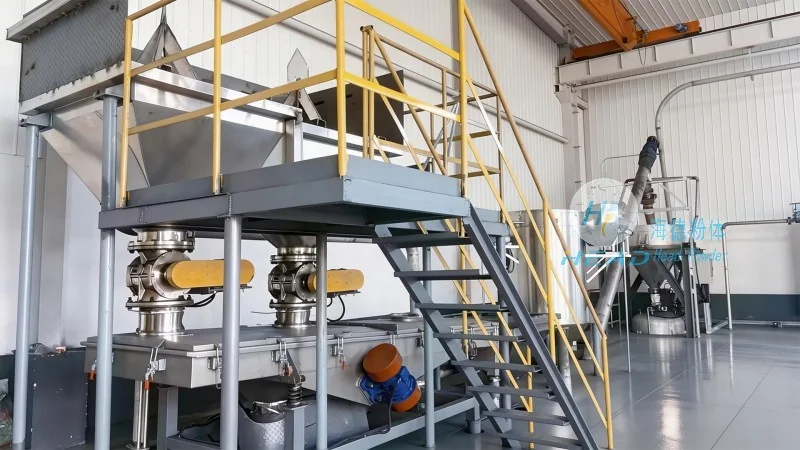
When selecting a coke powder pneumatic conveying machine for industrial use, several factors must be considered. These include the capacity required, the distance over which the material needs to be transported, the environmental conditions, and the specific characteristics of the coke powder. HeadPowder's engineering team works closely with clients to assess these factors and design a system that optimizes performance while minimizing operational costs. The company's commitment to customer satisfaction and technical excellence has made it a trusted partner in the industry.
Conclusion: The Importance of Reliable Pneumatic Conveying
In conclusion, coke powder material pneumatic conveying machines are essential equipment for modern industrial processes, providing efficient and safe transport of fine powders. The design principles behind these machines, combined with advanced engineering and manufacturing, ensure that they meet the demanding requirements of various applications. As a leading provider, Shandong HeadPowder Engineering Co., Ltd. continues to advance the technology and deliver high-quality solutions that contribute to the success of industrial operations worldwide.