

What is a Dusty Material Pneumatic Conveying Machine? And What Are Its Design Principles?
Understanding the role and design of dusty material pneumatic conveying machines is crucial for industries dealing with fine or powdery materials. These machines are engineered to transport dry, particulate materials through a pipeline using compressed air or other gas streams. The technology is widely used in sectors such as pharmaceuticals, food processing, and chemical manufacturing, where maintaining material integrity and controlling dust emissions are critical. Pneumatic conveying offers a non-contact method of material transport, which minimizes product contamination and reduces the risk of mechanical damage to delicate particles. This makes it an ideal solution for industries that require high standards of cleanliness and product quality.
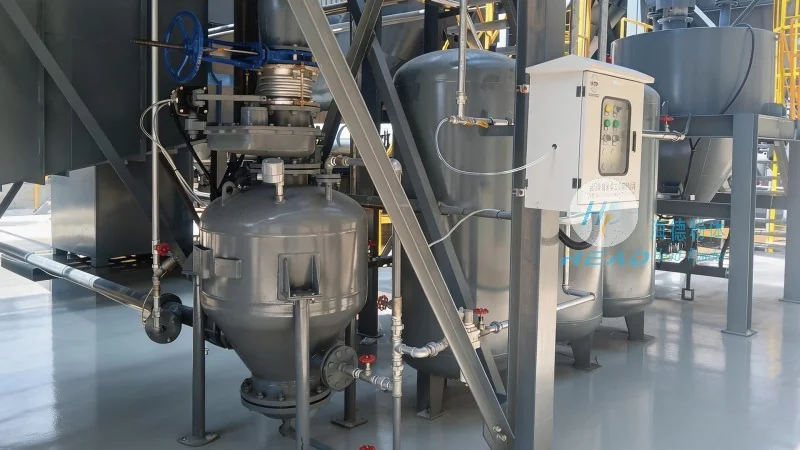
HeadPowder: A Leading Manufacturer in Pneumatic Conveying Solutions
Shandong HeadPowder Engineering Co., Ltd., commonly known as HeadPowder, is a reputable company based in Shandong, China. With a strong focus on innovation and quality, HeadPowder specializes in the design, manufacturing, and supply of pneumatic conveying equipment tailored to diverse industrial needs. The company's expertise lies in developing systems that efficiently handle dusty materials while ensuring operational efficiency and compliance with industry standards. HeadPowder has built a strong reputation by providing customized solutions that meet the specific requirements of clients, ranging from small-scale operations to large industrial facilities. The company's commitment to research and development ensures that its products remain at the forefront of technological advancements in the pneumatic conveying industry.
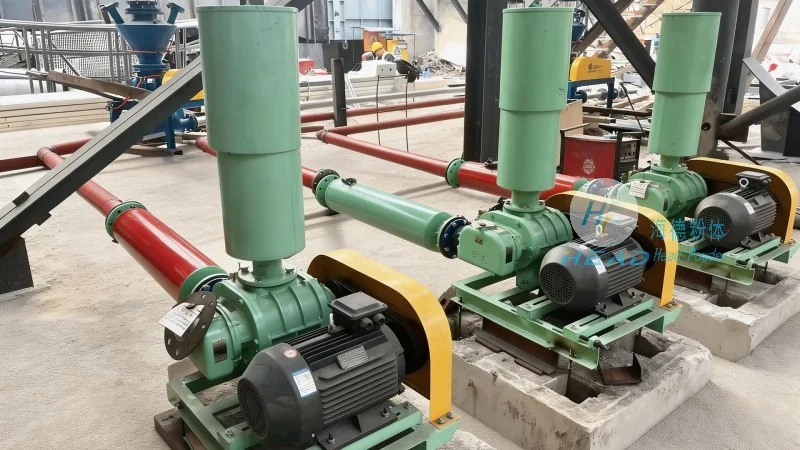
Key Components and Working Principle of Pneumatic Conveying Machines
The core of a dusty material pneumatic conveying machine consists of several key components that work in harmony to facilitate material transport. The primary elements include a hopper for material storage, a conveying line (typically a pipeline), a compressor or blower to generate the necessary air pressure, and a control system to regulate the flow. The design principle revolves around creating a consistent airflow that lifts and propels the material particles through the pipeline. This process, often referred to as pneumatic transport, can be categorized into different types based on the air flow direction and pressure, such as positive pressure, negative pressure, or mixed pressure systems. Positive pressure systems use a blower to force air and material through the pipeline, while negative pressure systems use a vacuum to draw material into the system. Mixed pressure systems combine both approaches to optimize material transport under varying conditions. The choice of system type depends on factors like material properties, system layout, and operational requirements.
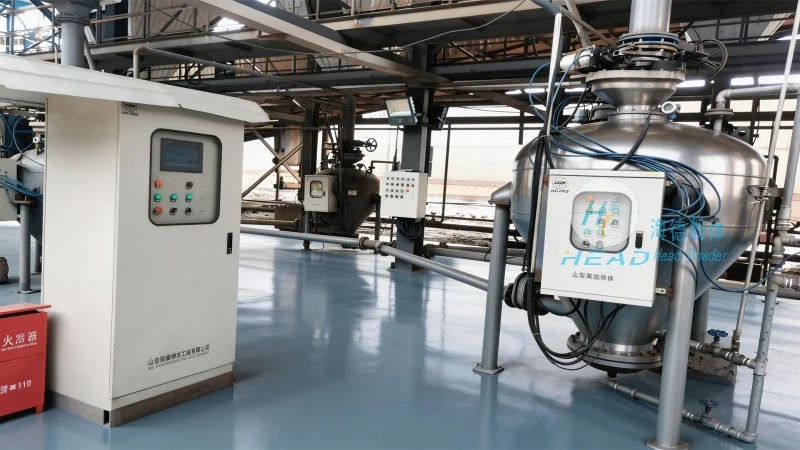
Design Principles for Efficient Dusty Material Handling
Designing an effective pneumatic conveying system for dusty materials requires careful consideration of several factors. First, the material's physical properties, such as particle size, density, and moisture content, play a significant role in determining the optimal conveying method. For example, fine powders with a particle size below 100 microns may require higher air velocities (typically 20-30 m/s) to prevent clogging and ensure smooth transport. In contrast, larger particles (e.g., granules or pellets) can be conveyed at lower velocities (around 10-15 m/s) to reduce wear on the pipeline and components. The density of the material also affects the required air pressure; denser materials need higher pressure to achieve the necessary flow rates. Additionally, the system's layout, including the number of bends, vertical and horizontal runs, and the presence of filters or cyclones for dust separation, must be carefully planned to ensure smooth operation and minimize material loss. The design process involves calculating the air velocity, pressure drop, and power consumption to achieve the desired material throughput while maintaining system efficiency.