

What is a waste material pneumatic conveyor? What are its design principles?
Welcome to Shandong HeadPowder Engineering Co., Ltd., a leading manufacturer specializing in pneumatic conveying systems for various industrial applications. In this article, we will explore the concept of waste material pneumatic conveyors and delve into the fundamental design principles that underpin their operation. As a company based in China, we are committed to providing high-quality, efficient solutions for material handling challenges in the waste management and related industries.
Understanding Waste Material Pneumatic Conveyors
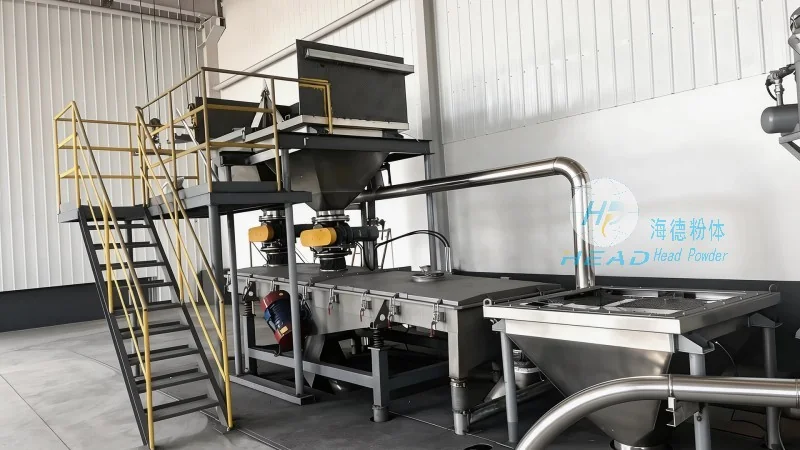
A waste material pneumatic conveyor is a mechanical system designed to transport bulk materials, such as waste or recyclable materials, through a pipeline using a stream of air or gas. This technology offers a versatile and efficient method for moving materials over short to medium distances, often in environments where traditional conveyor belts or mechanical systems may not be suitable. The system typically consists of a hopper for material storage, a blower or compressor to generate the air flow, a pipeline network to transport the material, and a discharge point where the material is released. The core of this system is the ability to suspend and transport particles in a fluidized state, leveraging the principles of fluid dynamics to achieve material movement without direct contact between the material and the conveyor components.
Key Design Principles of Pneumatic Conveyors
The design of a waste material pneumatic conveyor is governed by several critical principles that ensure optimal performance, efficiency, and reliability. The first principle is the selection of the appropriate air velocity and pressure. The air velocity must be sufficient to suspend the material particles in the pipeline, preventing them from settling or clogging the system. This is typically determined by the particle size, density, and shape of the waste material being conveyed. For example, lighter and smaller particles may require lower air velocities, while larger or denser particles may need higher velocities to maintain suspension. The pressure generated by the blower or compressor is another crucial factor, as it directly impacts the system's ability to overcome friction losses in the pipeline and maintain the desired flow rate.
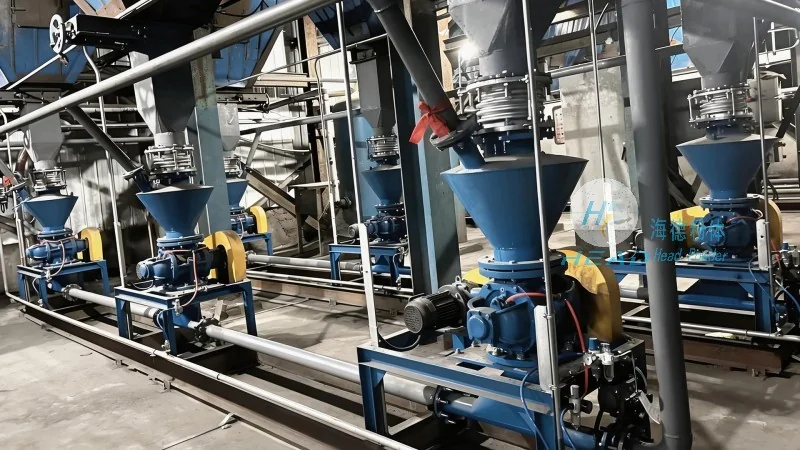
Another key design principle is the selection of the right pipeline diameter and material. The diameter of the pipeline is determined by the volume of material to be conveyed and the air velocity required. Larger diameters are generally used for higher material flow rates or longer distances, while smaller diameters are suitable for shorter distances or lower flow rates. The material of the pipeline, such as stainless steel or plastic, is chosen based on the corrosiveness of the waste material and the need for durability and resistance to wear. For waste materials that may be acidic or contain abrasive particles, stainless steel is often preferred due to its corrosion resistance and strength.
Components and Operation of the System
The waste material pneumatic conveyor system comprises several essential components, each playing a vital role in the overall operation. The hopper, typically made of metal or plastic, serves as the storage container for the waste material. It is equipped with a feeder or gate to control the flow of material into the pipeline. The feeder may be a rotary valve, a star feeder, or a screw feeder, depending on the material characteristics and the required flow rate. The blower or compressor is the heart of the system, providing the necessary air pressure and flow rate to move the material. It can be a positive displacement blower or a centrifugal fan, selected based on the system's requirements for pressure and flow capacity. The pipeline network connects the hopper to the discharge point and may include bends, elbows, and expansion joints to accommodate changes in direction and elevation. The discharge point, often a venturi or a cyclone separator, is used to separate the material from the air stream and collect the material at the destination. The air is then typically filtered and discharged back into the environment or recirculated, depending on the system design.
Advantages of Using Pneumatic Conveyors for Waste Material Handling
There are several advantages to using pneumatic conveyors for waste material handling. One of the primary benefits is the ability to transport materials in a closed system, which helps to contain dust and odors, improving safety and environmental conditions. This is particularly important for waste materials that may be hazardous or produce unpleasant odors. Another advantage is the flexibility of the system, as it can be easily modified or expanded to accommodate changes in material volume or processing requirements. Pneumatic conveyors also offer a relatively low maintenance cost compared to other material handling systems, as they have fewer moving parts and are less prone to wear and tear. Additionally, the system can be integrated with other processing equipment, such as sorting or recycling machines, to create a seamless material handling process.
Applications in Waste Management and Recycling
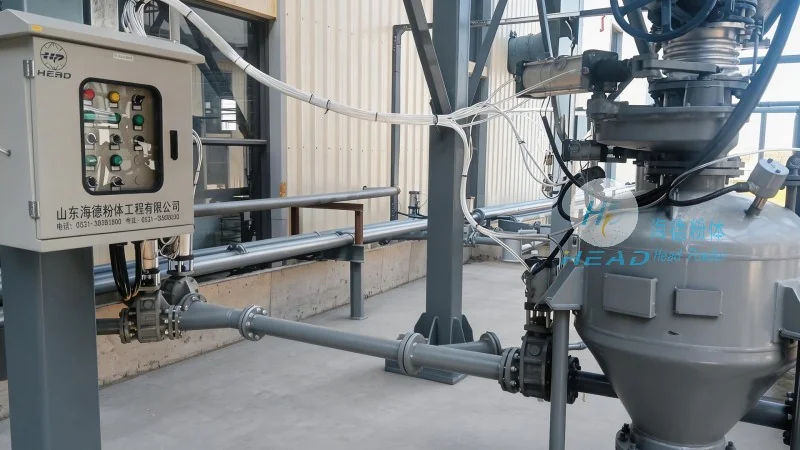
Waste material pneumatic conveyors are widely used in various applications within the waste management and recycling industries. In municipal solid waste (MSW) processing facilities, they are used to transport waste from collection trucks to sorting and processing equipment. In recycling plants, they are used to move recyclable materials, such as paper, plastic, and metal, from the sorting line to the processing or storage areas. The system is also used in industrial waste management, where it can transport waste materials from production lines to disposal or recycling facilities. The versatility of the pneumatic conveyor allows it to handle a wide range of waste materials, from fine powders to larger particles, making it a valuable tool in modern waste management practices.
Conclusion
In conclusion, a waste material pneumatic conveyor is a sophisticated and efficient system designed to transport bulk waste materials using air or gas. The design principles, including air velocity and pressure selection, pipeline design, and component selection, are critical to ensuring the system's performance and reliability. As a manufacturer based in China, Shandong HeadPowder Engineering Co., Ltd. specializes in providing customized pneumatic conveying solutions tailored to the specific needs of waste management and recycling applications. By leveraging the principles of fluid dynamics and mechanical engineering, these systems offer a cost-effective and environmentally friendly method for material handling in the waste industry.