

What is a Wheat Bran Material Pneumatic Conveying Machine? And What Are Its Design Principles?
Wheat bran, a byproduct of the milling process, is widely used in various industries such as animal feed, food processing, and biofuel production. Efficient and reliable material handling is crucial for processing wheat bran, and pneumatic conveying systems have emerged as a preferred solution. This article explores the concept of a wheat bran material pneumatic conveying machine, its design principles, and the key factors that influence its performance, with a focus on the solutions provided by Shandong HeadPowder Engineering Co., Ltd., a leading manufacturer in the field.
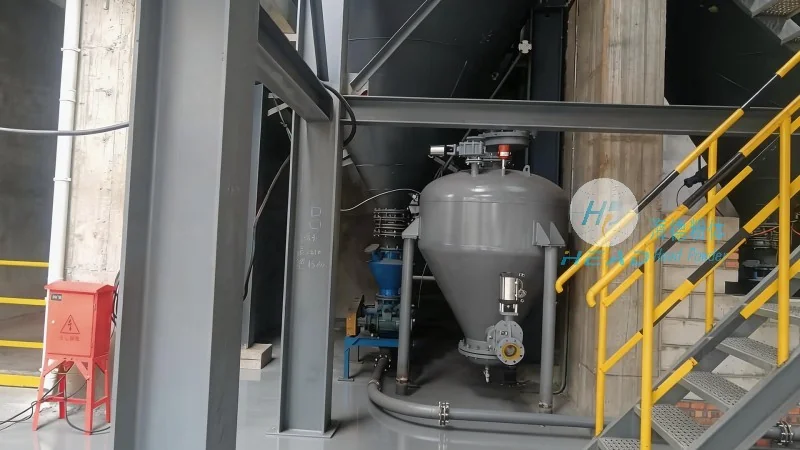
Understanding Pneumatic Conveying Technology
Pneumatic conveying, also known as air conveying, is a method of transporting bulk materials through a pipeline using compressed air or other gases. Unlike mechanical conveyors, which rely on mechanical components like belts or screws, pneumatic systems use the force of air to move materials. This technology is particularly suitable for handling fine, dusty, or abrasive materials like wheat bran, as it minimizes product degradation and contamination.
Key Components of a Wheat Bran Pneumatic Conveying System
A typical wheat bran pneumatic conveying machine consists of several essential components that work together to ensure smooth material transport. These components include a hopper for material storage, a feeder to control the flow rate, a conveying line (usually made of stainless steel or plastic to prevent corrosion), a blower or compressor to generate the necessary air pressure, and a receiver or discharge unit for the material. Each component plays a critical role in the overall system's efficiency and reliability.
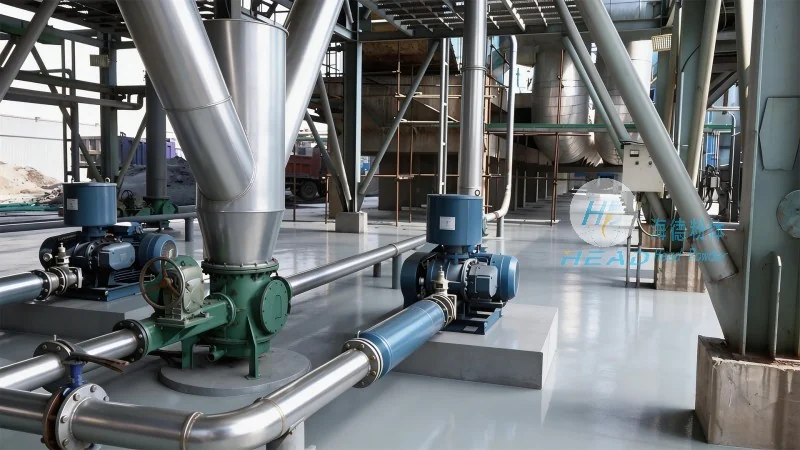
Design Principles for Optimal Performance
The design of a wheat bran pneumatic conveying machine is based on several key principles to ensure it operates efficiently and safely. One of the primary principles is the selection of appropriate air velocity and pressure. The air velocity must be high enough to overcome the material's resistance to flow but low enough to prevent excessive wear on the conveying line and to minimize product degradation. The pressure required depends on the distance the material needs to travel and the characteristics of the wheat bran, such as its particle size and moisture content.
Material Handling Considerations for Wheat Bran
Wheat bran is a fine, light material with a tendency to create dust and clog pipelines if not handled properly. Therefore, the design of the pneumatic conveying system must address these challenges. For example, the hopper and feeder should be designed to minimize material bridging and ensure a consistent flow rate. The conveying line should be equipped with cleaning mechanisms, such as sweepers or blowers, to prevent clogging. Additionally, the system should incorporate dust collection and filtration systems to maintain air quality and comply with environmental regulations.
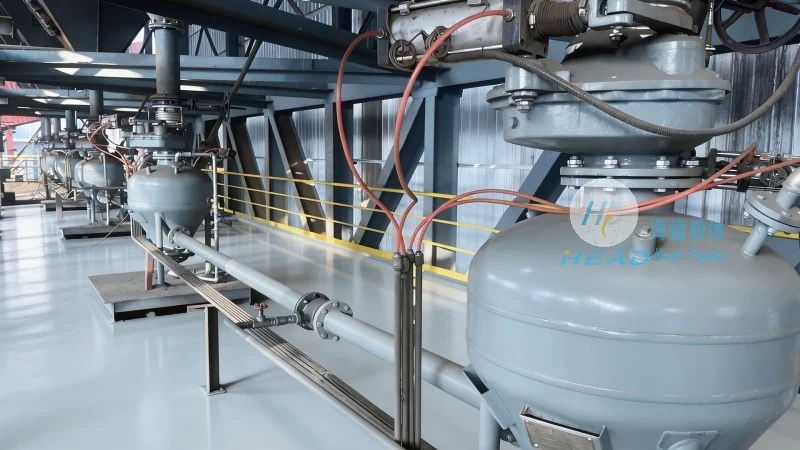
Advantages of Using Pneumatic Conveying for Wheat Bran
Compared to traditional mechanical conveyors, pneumatic conveying offers several advantages for handling wheat bran. These include lower maintenance costs, as there are fewer moving parts, reduced product damage due to minimal contact with mechanical components, and the ability to transport materials over long distances without the need for multiple transfer points. Furthermore, pneumatic systems can be easily integrated with other processing equipment, such as mixers or dryers, to create a seamless production line.
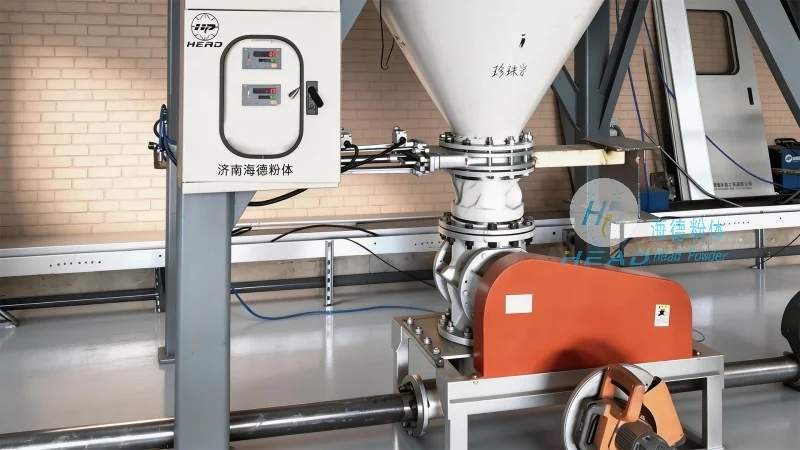
Application Examples in the Industry
Wheat bran pneumatic conveying machines are widely used in various industrial applications. In the animal feed industry, they are used to transport wheat bran from storage silos to feed mills, ensuring a consistent supply of raw material. In the food processing industry, they are used to convey wheat bran to mixing and extrusion equipment, where it is combined with other ingredients to produce pet foods or human foods. In the biofuel industry, they are used to transport wheat bran to biomass processing facilities, where it is converted into bioethanol or biogas.
Conclusion
Wheat bran material pneumatic conveying machines are an essential part of modern material handling systems, providing efficient, reliable, and cost-effective solutions for transporting wheat bran and other fine materials. By understanding the design principles and key components of these systems, manufacturers can optimize their operations and improve overall productivity. As the demand for wheat bran and other bulk materials continues to grow, the importance of efficient material handling will only increase, making pneumatic conveying an increasingly valuable technology in the industry.