

What is a Fermentation Powder Material Pneumatic Conveying Machine? What are its Design Principles?
In the industrial processing of fermentation powders, efficient and reliable material handling is crucial for maintaining product quality and operational efficiency. A key piece of equipment in this field is the fermentation powder material pneumatic conveying machine, which uses air or gas to transport powders and granules. This article explores the fundamental concepts of such machines and their underlying design principles.
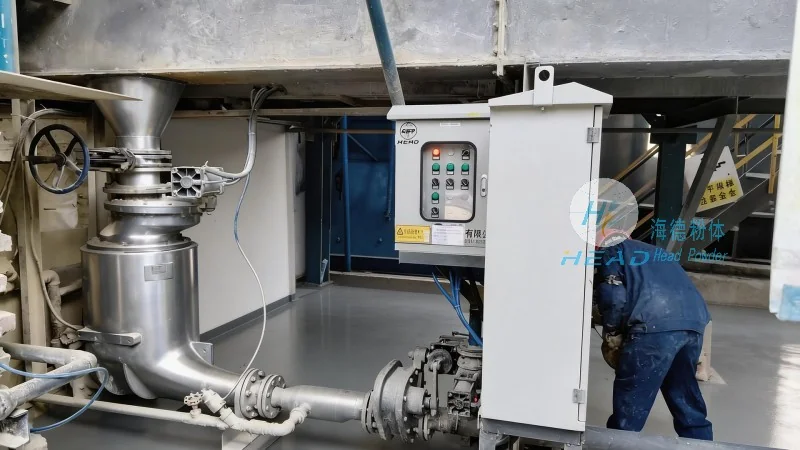
As a leading manufacturer in this sector, Shandong HeadPowder Engineering Co., Ltd., based in Shandong, China, specializes in developing advanced pneumatic conveying solutions tailored to the unique characteristics of fermentation powders. The company's expertise lies in creating systems that address the specific challenges posed by fermentation powders, such as fine particle size, hygroscopic nature, and sensitivity to contamination.
The Core Principle of Pneumatic Conveying for Fermentation Powders
The fundamental principle of pneumatic conveying is the use of a pressurized or vacuum system to move materials through a pipeline. For fermentation powders, which often have fine particles and can be prone to agglomeration or caking, the design of the conveying system must be optimized to prevent these issues. The machine typically consists of a hopper for material storage, a blower or vacuum pump to generate the necessary pressure or vacuum, a pipeline network for material transport, and a discharge unit for delivery to the target location.
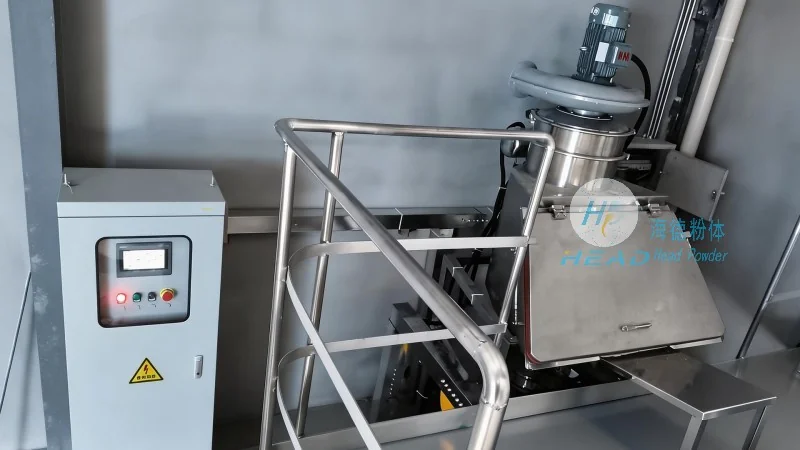
Key Design Considerations for Fermentation Powder Pneumatic Conveying
Designing a pneumatic conveying machine for fermentation powders involves several critical factors. First, the material's particle size distribution and flow properties are analyzed to determine the appropriate air velocity and pressure. This ensures that the powder is transported without clogging or degradation, as excessive air velocity can cause particle breakage, while insufficient velocity may lead to blockages. Second, the system must maintain a high level of airtightness to prevent contamination and loss of product. This is achieved through specialized seals and materials that are resistant to the chemical properties of fermentation powders, such as acids or enzymes.
Third, the equipment must be constructed from materials that are compatible with the powder and the operating environment. Stainless steel is commonly used for its corrosion resistance and hygiene properties, while special coatings may be applied to prevent material buildup on the pipeline walls. The hopper and discharge unit are designed with smooth surfaces and minimal dead zones to prevent powder accumulation and microbial growth, which is critical in food and pharmaceutical applications.

Components and Their Functions in the Pneumatic Conveying System
The hopper is a critical component that stores the fermentation powder and provides a consistent feed to the conveying system. It often includes a discharge valve or feeder to control the flow rate, ensuring a steady supply of material to the blower. The blower or vacuum pump generates the necessary pressure or vacuum to move the material through the pipeline. Centrifugal blowers are commonly used for pressure systems, while rotary lobe or roots blowers may be used for high-pressure applications. The pipeline network is typically made of stainless steel or plastic, with appropriate fittings and elbows to minimize pressure loss and maintain flow efficiency.
The discharge unit, which may include a filter or separator, is responsible for delivering the powder to the target location while removing any entrained air. This unit often features a cyclone separator or bag filter to ensure that the powder is delivered in a dry and clean state. The design of the discharge unit must also consider the need for easy cleaning and maintenance, as hygiene is a top priority in the fermentation powder industry.
Advantages of Pneumatic Conveying for Fermentation Powders
Compared to traditional mechanical conveying methods, such as screw conveyors or belt conveyors, pneumatic conveying offers several advantages for fermentation powders. It eliminates the need for moving parts in direct contact with the product, reducing the risk of contamination and equipment wear. Additionally, it allows for flexible and compact system layouts, which can optimize space in industrial facilities and simplify the integration of multiple processing steps. The ability to control the flow rate and pressure also provides better process control, leading to improved product consistency and reduced waste.
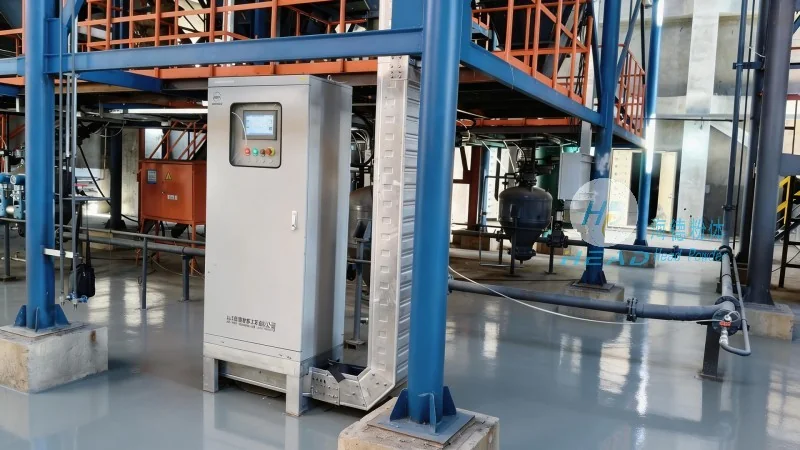
Another key advantage is the ability to handle a wide range of powder characteristics, from fine powders to granules, without the need for pre-processing or conditioning. This makes pneumatic conveying a versatile solution for various fermentation powder applications, including the transport of yeast, enzymes, and other bioproducts. The system can also be designed to operate in a closed loop, minimizing dust emissions and environmental impact, which is increasingly important for industrial operations.
Conclusion and Industry Application
In conclusion, the fermentation powder material pneumatic conveying machine is a sophisticated piece of equipment that combines engineering principles with material science to ensure efficient and safe handling of fermentation powders. The design principles, centered on maintaining product integrity, controlling air flow, and ensuring system reliability, are critical to its success in industrial applications. Companies like Shandong HeadPowder Engineering Co., Ltd. continue to innovate in this field, providing tailored solutions that meet the evolving needs of the industry, such as stricter hygiene standards and increased demand for high-quality fermentation products.