

What is a Magnesium Sulfate Material Pneumatic Conveyor? And What Are Its Design Principles?
This article explores the concept of a magnesium sulfate material pneumatic conveyor, a specialized equipment used for transporting magnesium sulfate, a common industrial chemical. The focus will be on understanding the fundamental design principles that enable efficient and reliable material handling in industrial settings. As a key component in chemical processing and material transport, this equipment plays a vital role in ensuring smooth operations within manufacturing facilities.
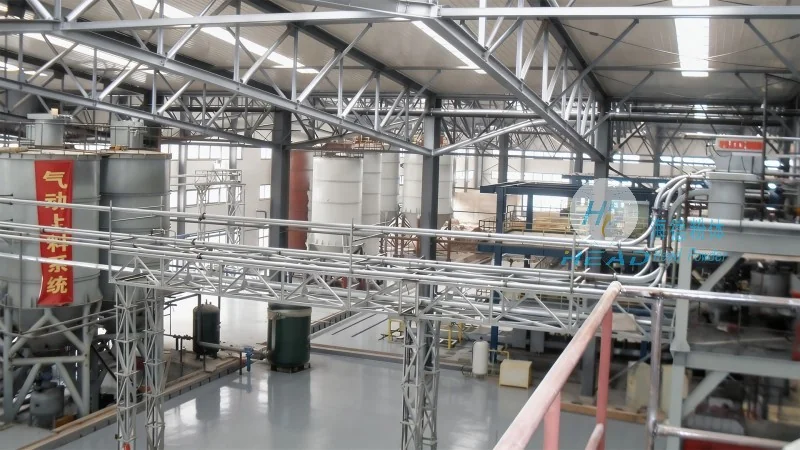
Understanding the Core Function of Magnesium Sulfate Pneumatic Conveyors
At its core, a magnesium sulfate material pneumatic conveyor is a system designed to move bulk materials, such as magnesium sulfate, through a pipeline using air or other gases. Unlike traditional mechanical conveyors, this type of equipment relies on the force of air to transport the material, making it particularly suitable for handling fine powders or granules that might be prone to clogging or degradation under mechanical stress. The system typically consists of a hopper, a venturi or airlock mechanism, and a discharge point, all working in tandem to ensure the material is moved efficiently from the source to the destination.
Key Design Principles Behind Magnesium Sulfate Pneumatic Conveyors
The design of a magnesium sulfate pneumatic conveyor is governed by several critical principles that ensure optimal performance. First, the velocity of the air or gas must be sufficient to overcome the gravitational and frictional forces acting on the material particles. This is often achieved by adjusting the air pressure and flow rate, which directly impacts the conveying capacity and distance. Second, the system must be designed to minimize particle degradation and agglomeration, which can occur if the material is exposed to excessive shear forces or high temperatures. Materials such as magnesium sulfate, which are sensitive to moisture or temperature changes, require careful consideration of the conveying environment to maintain product integrity.
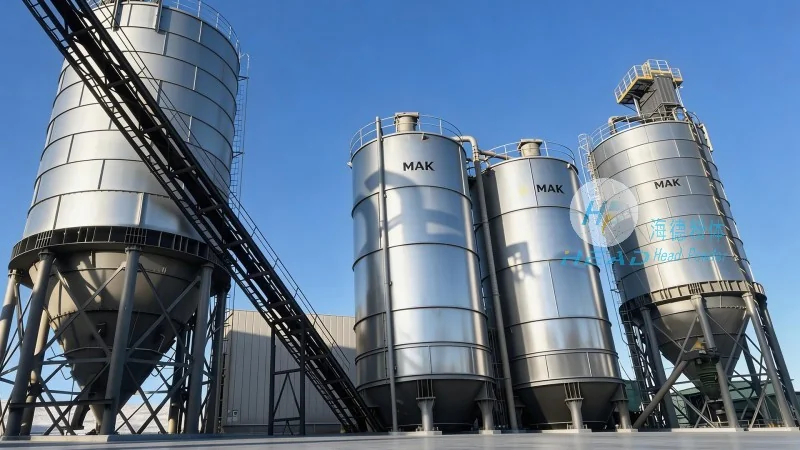
The Role of HeadPowder in Manufacturing Magnesium Sulfate Pneumatic Conveyors
Shandong HeadPowder Engineering Co., Ltd., a leading manufacturer in the field, specializes in the design and production of high-quality pneumatic conveying systems tailored to the needs of industrial clients. With a focus on precision engineering and adherence to industry standards, HeadPowder ensures that their equipment meets the specific requirements of handling magnesium sulfate and other similar materials. The company’s expertise lies in customizing conveyor systems to accommodate varying material properties, such as particle size, density, and moisture content, ensuring reliable and efficient transport solutions for clients across China and beyond.
Components and Operational Mechanisms of Magnesium Sulfate Pneumatic Conveyors
The operational mechanism of a magnesium sulfate pneumatic conveyor involves several key components that work together to achieve material transport. The process typically begins with the material being fed into a hopper, where it is then introduced into the conveying line. A venturi or airlock device then injects high-pressure air or gas into the line, creating a low-pressure zone that draws the material particles into the flow. As the material is carried along by the air stream, it travels through the pipeline to the discharge point, where it is collected in a receiving container. The design of these components, including the size of the hopper, the air nozzle, and the pipeline diameter, is critical to achieving the desired conveying capacity and minimizing energy consumption.
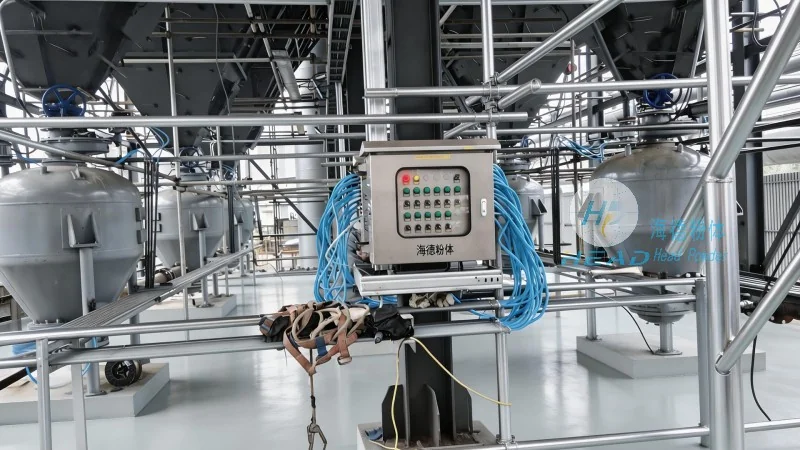
Advantages of Using Magnesium Sulfate Pneumatic Conveyors
There are several advantages to employing a pneumatic conveyor for magnesium sulfate transport. One of the primary benefits is the ability to handle fine powders or granules without the need for mechanical components that could cause wear or contamination. This reduces maintenance costs and ensures a cleaner, more hygienic processing environment, which is particularly important in industries where product purity is a priority. Additionally, pneumatic conveyors can be easily integrated into existing production lines, allowing for flexible and scalable material handling solutions. The system also offers the advantage of being able to transport materials over long distances or through multiple stages of processing, without the need for intermediate storage or transfer points.
Considerations for Designing and Implementing Magnesium Sulfate Pneumatic Conveyors
When designing and implementing a magnesium sulfate pneumatic conveyor, several factors must be considered to ensure optimal performance and longevity. First, the material properties of magnesium sulfate, such as its particle size distribution, density, and moisture content, must be thoroughly analyzed to determine the appropriate conveying velocity and air pressure. This analysis helps in selecting the right components, such as the hopper size and air nozzle design, to prevent issues like clogging or excessive energy consumption. Second, the system must be designed to handle variations in material flow, such as fluctuations in production rates or changes in material characteristics. This may involve incorporating control systems that adjust air pressure or flow rate in real-time to maintain consistent conveying performance. Finally, the system must be constructed from materials that are compatible with magnesium sulfate and resistant to corrosion or wear, ensuring a long service life and minimal maintenance requirements.