

What is a Polypropylene Material Pneumatic Conveying System? What Are Its Design Principles?
For industrial applications involving polypropylene (PP) material handling, efficient and reliable transport solutions are crucial. A polypropylene material pneumatic conveying system is a specialized equipment designed to move polypropylene particles or granules through a pipeline using air or other gas as the conveying medium. This technology offers a clean, dust-free, and flexible method for transporting polypropylene, which is widely used in various industries such as plastics manufacturing, chemical processing, and food processing.
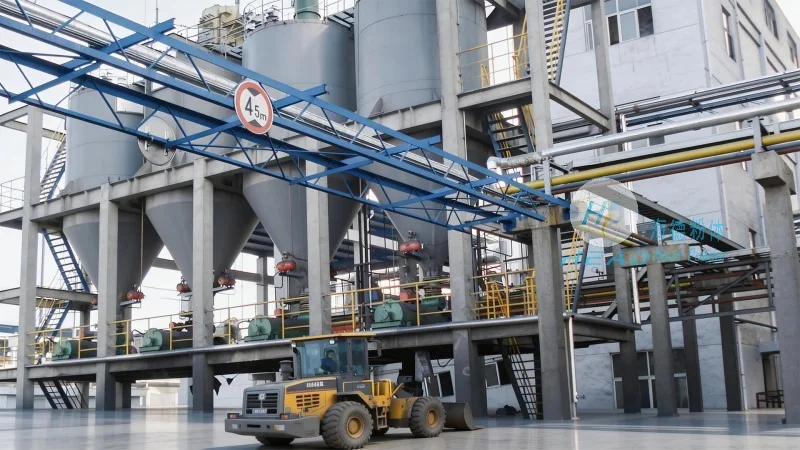
Understanding the Core Function of Polypropylene Pneumatic Conveying Systems
The primary function of a polypropylene material pneumatic conveying system is to transport polypropylene materials from a source point to a destination point within a production facility. Unlike traditional mechanical conveyors, which rely on mechanical components like belts or screws, pneumatic conveying systems use air pressure to move materials. This approach is particularly advantageous for polypropylene, as it is a lightweight, non-corrosive plastic that can be easily suspended and transported through a pipeline. The system typically consists of a hopper, a blower or compressor, a pipeline network, and a discharge unit. The hopper holds the polypropylene material, and the blower generates the air flow that lifts and moves the particles through the pipeline to the desired location.
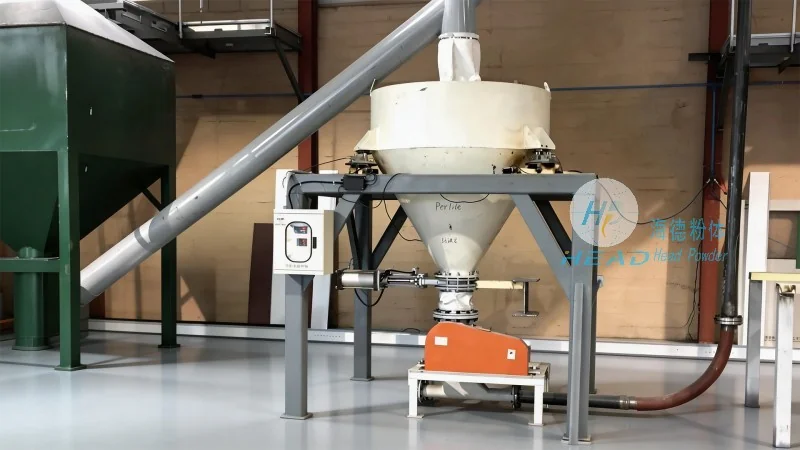
Key Design Principles of Polypropylene Pneumatic Conveying Systems
The design of a polypropylene material pneumatic conveying system is based on several critical principles to ensure optimal performance and efficiency. First, the system must be capable of handling the specific properties of polypropylene, including its particle size, density, and flow characteristics. Polypropylene particles are generally fine to medium in size, and their low density makes them susceptible to settling in the pipeline. Therefore, the design must incorporate features that maintain the material in suspension, such as appropriate air velocity and pipeline diameter. Second, the system must ensure minimal material degradation and contamination. Since polypropylene is often used in applications where purity is essential, the conveying process must be clean and free from external contaminants. This is achieved through the use of sealed pipelines and proper filtration of the air used for conveying. Third, the system should be energy-efficient and cost-effective. The blower or compressor must be sized appropriately to provide sufficient air pressure without excessive energy consumption. Additionally, the pipeline layout should be optimized to minimize pressure losses and reduce the overall energy requirements.
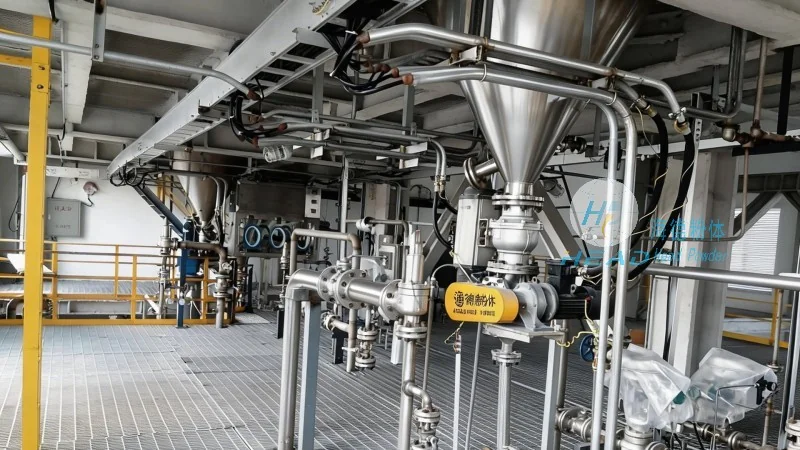
Components and Their Roles in Polypropylene Pneumatic Conveying Systems
Each component of a polypropylene material pneumatic conveying system plays a vital role in the overall operation. The hopper is the storage vessel that holds the polypropylene material before it is conveyed. It is designed to feed the material into the pipeline at a controlled rate, preventing overloading and ensuring a steady flow. The blower or compressor is the heart of the system, generating the air pressure needed to move the material. The choice of blower (e.g., rotary lobe or centrifugal) depends on the specific requirements of the application, such as the material's properties and the desired conveying distance. The pipeline network connects the hopper to the discharge point and is typically made of materials that are compatible with polypropylene, such as stainless steel or PVC, to prevent corrosion and material adhesion. The pipeline diameter and length are critical factors that affect the system's performance, as they influence the air velocity and pressure required for effective conveying. The discharge unit, located at the end of the pipeline, collects the conveyed polypropylene material and directs it to the final destination, such as a processing machine or storage container.
Applications and Benefits of Polypropylene Pneumatic Conveying Systems
Polypropylene material pneumatic conveying systems are widely used in various industrial applications due to their versatility and efficiency. In the plastics industry, these systems are commonly used to transport polypropylene resin from storage silos to extrusion or injection molding machines. This allows for a continuous and automated production process, reducing downtime and improving productivity. In chemical processing, the systems are used to move polypropylene powders or granules between processing stages, ensuring a consistent feed rate for downstream equipment. The food processing industry also benefits from these systems, as they provide a hygienic and dust-free method for handling polypropylene-based packaging materials or food additives. The primary benefits of using a polypropylene pneumatic conveying system include improved safety (as there are no moving parts in the pipeline), reduced labor costs (due to automated material handling), and enhanced product quality (as the conveying process minimizes material degradation and contamination).
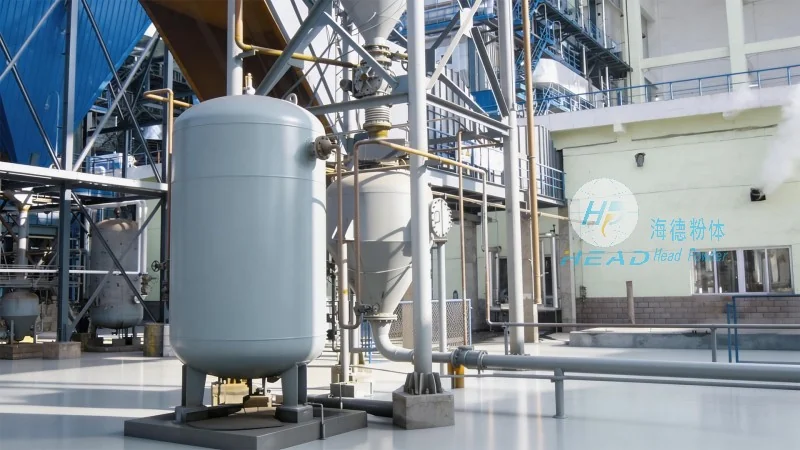
Conclusion and Company Overview
Understanding the design principles and components of a polypropylene material pneumatic conveying system is essential for selecting the right equipment for industrial applications. The system's ability to efficiently and safely transport polypropylene materials makes it a valuable asset in various industries. As a leading provider of engineering solutions, Shandong HeadPowder Engineering Co., Ltd. specializes in designing and manufacturing high-quality polypropylene pneumatic conveying systems tailored to meet the specific needs of clients. With a focus on innovation and customer satisfaction, HeadPowder offers reliable and efficient solutions for polypropylene material handling, ensuring optimal performance and cost-effectiveness for industrial operations.