

What is a Quartz Stone Material Pneumatic Conveyor? And What Are Its Design Principles?
Quartz stone material pneumatic conveyors are specialized equipment designed for the efficient and safe transportation of quartz stone particles in industrial settings. As a key component in material handling systems, these conveyors play a crucial role in various manufacturing and processing applications. The following article will explore the fundamental aspects of such conveyors, including their design principles and operational mechanisms.
Understanding the Core Components of Quartz Stone Pneumatic Conveyors
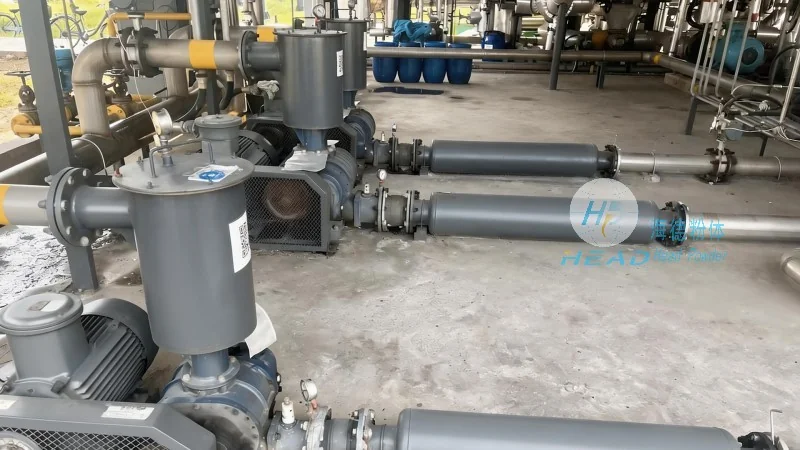
At the heart of a quartz stone material pneumatic conveyor lies a series of interconnected components that work in harmony to facilitate material transport. The primary components typically include a hopper for material storage, a conveying line (usually a pipeline), a fan or blower to generate airflow, and a discharge outlet for the material. The hopper is designed to hold the quartz stone, ensuring a consistent feed into the system. The conveying line, often made of durable materials like stainless steel or high-density polyethylene, is engineered to withstand the abrasive nature of quartz particles and the pressure of the air flow. The fan or blower serves as the power source, creating the necessary airflow to move the material through the pipeline. The discharge outlet is strategically positioned to direct the quartz stone to its final destination, such as a processing unit or storage area.
Design Principles Behind Quartz Stone Pneumatic Conveyors
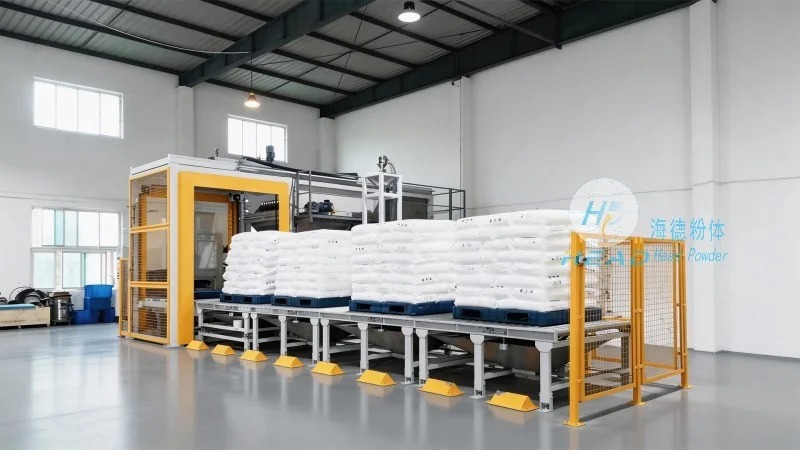
The design of quartz stone material pneumatic conveyors is guided by several key principles aimed at optimizing performance, efficiency, and reliability. One of the fundamental principles is the balance between air velocity and material velocity. The air velocity must be sufficient to lift and transport the quartz particles through the pipeline without causing excessive wear or degradation of the material. This balance is achieved through careful selection of the fan's capacity and the pipeline's diameter. Another critical principle is the consideration of material properties. Quartz stone is known for its hardness and abrasiveness, which necessitates the use of robust materials for the conveyor components. The design incorporates features like reinforced pipelines, wear-resistant liners, and high-quality seals to ensure longevity and minimize maintenance. Additionally, the system is designed to handle varying particle sizes and moisture content, making it versatile for different quartz stone applications. The overall design also emphasizes energy efficiency, with optimized airflow and minimal pressure losses to reduce operational costs.
Operational Mechanisms and Efficiency Considerations
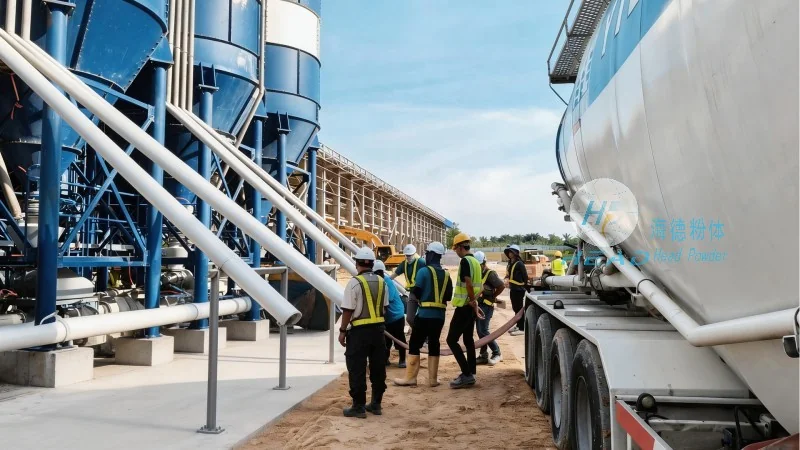
The operational mechanism of a quartz stone pneumatic conveyor involves the creation of a negative pressure or positive pressure environment within the conveying line. In a negative pressure system, the fan draws air from the discharge end, creating a vacuum that pulls the quartz stone particles into the pipeline. In a positive pressure system, the fan pushes air from the hopper end, forcing the material through the line. Both systems are effective, but the choice depends on the specific application and material characteristics. Efficiency is a key factor in the design, as it directly impacts operational costs. Factors such as pipeline length, number of bends, and the type of material (e.g., dry or wet quartz stone) influence the required air volume and pressure. Proper sizing of the fan and pipeline is essential to maintain optimal airflow and prevent material blockages or degradation. Regular maintenance, including cleaning of the hopper and pipeline, checking for wear and tear, and ensuring proper sealing, is crucial to maintain the conveyor's efficiency and lifespan.
Applications and Benefits of Quartz Stone Pneumatic Conveyors
Quartz stone material pneumatic conveyors are widely used in various industries due to their versatility and efficiency. They are commonly employed in the manufacturing of quartz-based products, such as countertops, tiles, and other building materials. The conveyors are also used in the processing of quartz sand, which is a key raw material in the glass and ceramics industries. The benefits of using these conveyors include reduced labor costs, improved safety by minimizing manual handling of heavy or abrasive materials, and increased production efficiency. The enclosed system also helps in controlling dust and preventing contamination, which is particularly important in food and pharmaceutical applications where quartz stone may be used as a filler or additive. Furthermore, the flexibility of pneumatic conveyors allows for easy integration into existing production lines, making them a cost-effective solution for material transport needs.
Conclusion and Company Information
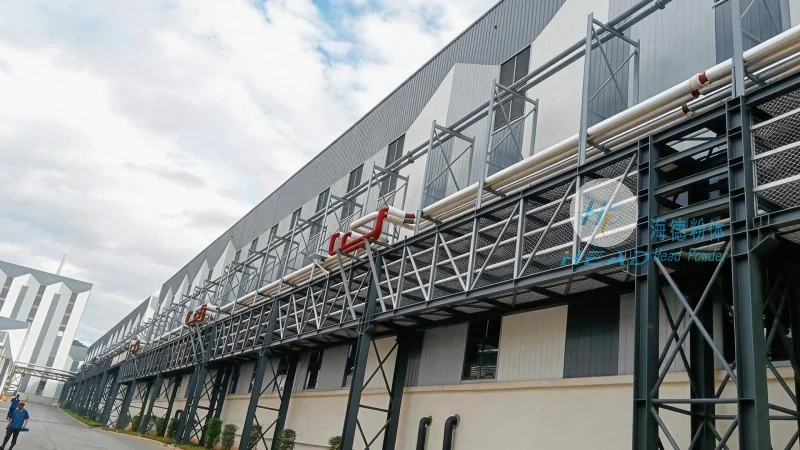
In conclusion, quartz stone material pneumatic conveyors are sophisticated equipment designed to handle the unique challenges of transporting quartz stone particles efficiently and safely. The design principles, which focus on balancing air and material velocities, material properties, and operational efficiency, ensure that these conveyors perform reliably in industrial settings. The benefits of using such equipment, including improved productivity, safety, and cost-effectiveness, make them an essential component in many material handling systems. As a leading provider in this field, Shandong HeadPowder Engineering Co., Ltd. specializes in manufacturing high-quality quartz stone pneumatic conveyors tailored to meet the specific needs of various industries. With a commitment to quality and innovation, HeadPowder offers reliable solutions for material transport, ensuring optimal performance and longevity for its clients.