

What is a nickel powder material pneumatic conveying system? What are its design principles?
HeadPowder, a leading engineering company based in Shandong, China, specializes in the design and implementation of advanced pneumatic conveying systems for handling nickel powder and other fine materials. This article explores the fundamental concepts of such systems, detailing their operational principles and key design considerations.
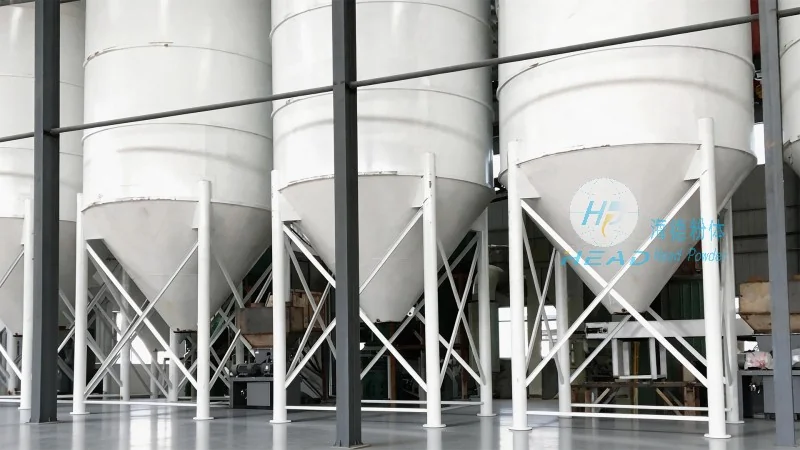
About HeadPowder Engineering Co., Ltd.
HeadPowder is a professional engineering firm dedicated to providing high-quality solutions for material handling and processing. With a strong presence in Shandong, China, the company leverages years of industry experience to deliver reliable and efficient pneumatic conveying systems tailored to the needs of various industrial applications.
Understanding Pneumatic Conveying Systems for Nickel Powder
Pneumatic conveying systems are essential for transporting nickel powder and other particulate materials in a controlled and efficient manner. These systems utilize air or other gases to move materials through pipelines, offering advantages such as reduced contamination, improved safety, and enhanced process control compared to traditional methods like belt conveyors or manual handling.
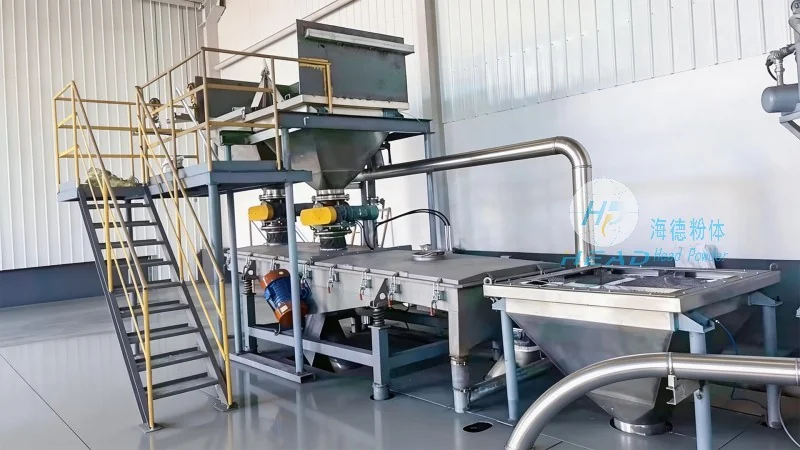
Design Principles of Nickel Powder Pneumatic Conveying Systems
The design of a nickel powder pneumatic conveying system involves several critical factors, including material properties, system capacity, and operational requirements. Key components typically include a hopper for material storage, a feeder to control the flow rate, a conveying line with appropriate diameter and length, and a receiver for material discharge. The system's design must also consider the specific characteristics of nickel powder, such as its particle size, density, and flowability, to ensure optimal performance and minimize issues like blockages or material degradation.
Types of Pneumatic Conveying Systems
There are two primary types of pneumatic conveying systems: dense-phase and dilute-phase. Dense-phase systems operate at higher pressure and lower air-to-material ratios, resulting in a more stable and efficient flow of material. Dilute-phase systems, on the other hand, use lower pressure and higher air-to-material ratios, suitable for longer distances or when handling materials with lower flowability. For nickel powder, the choice between these systems depends on factors like the material's particle size distribution and the required conveying distance.
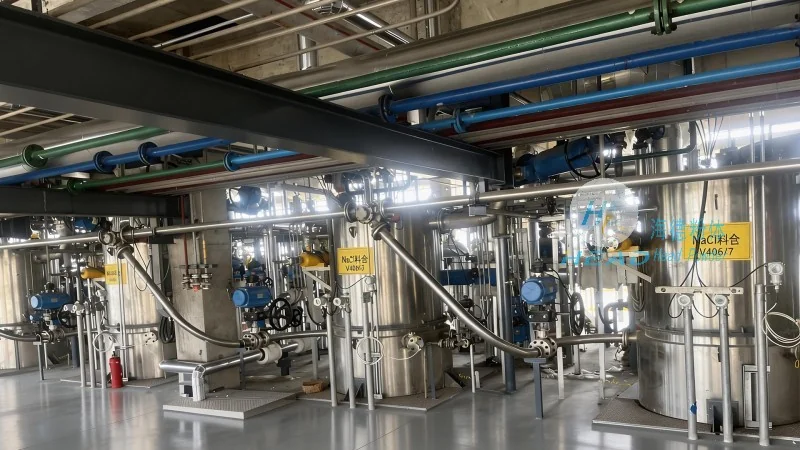
Advantages of Using Pneumatic Conveying for Nickel Powder
Implementing a pneumatic conveying system for nickel powder offers numerous benefits. These include improved product quality by minimizing exposure to contaminants, enhanced safety by eliminating the need for manual handling of powders, and increased operational efficiency through automated material transport. Additionally, such systems can be integrated with other processing equipment, allowing for seamless material transfer and process optimization.
Conclusion
HeadPowder Engineering Co., Ltd. provides comprehensive solutions for nickel powder pneumatic conveying systems, combining advanced engineering expertise with practical application knowledge. By understanding the design principles and operational requirements of these systems, industries can achieve efficient, safe, and reliable material handling for nickel powder and similar fine materials. With a strong commitment to quality and customer satisfaction, HeadPowder continues to be a trusted partner in the material handling sector.