

What is a Silica Powder Material Pneumatic Conveying System? And What Are Its Design Principles?
Silica powder, a fine particulate material widely used in various industrial applications such as construction, refractory materials, and chemical processing, often requires efficient and reliable transportation methods. Pneumatic conveying systems have emerged as a preferred solution for handling silica powder due to their ability to transport materials in a closed system, minimizing dust emissions and ensuring product integrity. This article explores the fundamental concepts of silica powder pneumatic conveying systems and delves into the key design principles that govern their operation and performance.

Understanding Pneumatic Conveying Basics
Pneumatic conveying is a method of transporting bulk materials through a pipeline using a gas stream, typically air or other gases. In the context of silica powder, the system operates by creating a pressure differential that propels the powder particles through the pipeline. The process involves several critical components, including a material feed hopper, a conveying line, a separation or collection device, and a gas source. The feed hopper ensures a consistent flow of silica powder into the system, while the conveying line transports the material to the desired destination. The separation device, often a cyclone or filter, separates the powder from the gas stream, allowing for the recovery of the material and the release of clean air.
Key Design Principles for Silica Powder Systems
The design of a silica powder pneumatic conveying system is influenced by several factors that ensure optimal performance and efficiency. One of the primary considerations is the particle size and density of the silica powder, as these properties affect the flow characteristics and the required air velocity. For fine silica powders, higher air velocities are typically needed to prevent particle settling and ensure smooth transport. The system's pressure level is another critical design parameter; low-pressure systems are suitable for short-distance conveying, while high-pressure systems are used for longer distances or when dealing with more challenging particle characteristics.
Components and Their Roles in the System
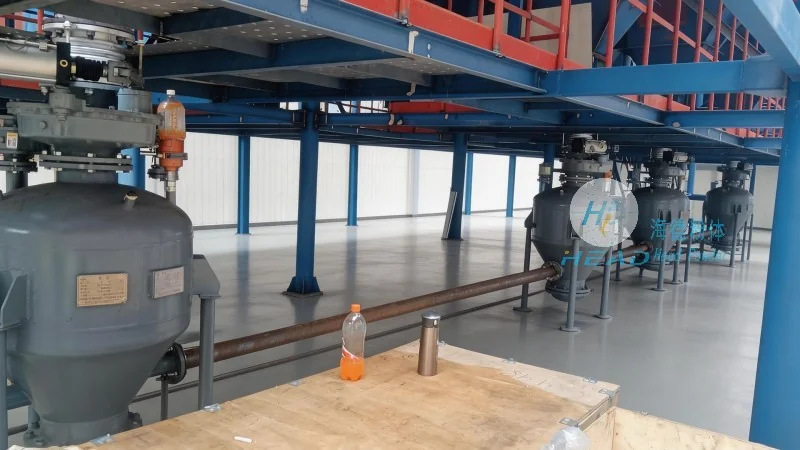
Each component of a silica powder pneumatic conveying system plays a vital role in its overall functionality. The material feed hopper, equipped with a rotary valve or a star feeder, controls the flow rate of the silica powder into the system, preventing blockages and ensuring a steady supply. The conveying line, usually made of stainless steel or other corrosion-resistant materials, is designed to withstand the pressure and temperature conditions of the system. The separation device, such as a cyclone separator, uses centrifugal force to separate the silica powder from the air stream, collecting the powder in a hopper for reuse. The gas source, often an air compressor, provides the necessary pressure and volume of air to drive the conveying process. Proper maintenance and monitoring of these components are essential to maintain the system's efficiency and longevity.
Design Considerations for Optimal Performance
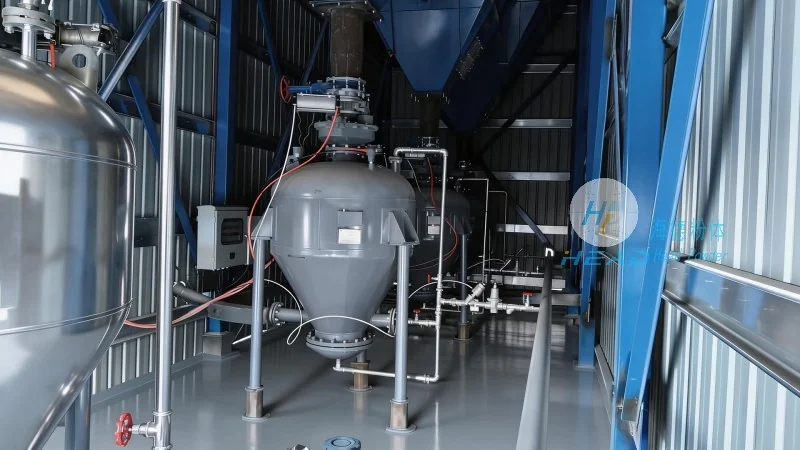
Designing an effective silica powder pneumatic conveying system requires careful consideration of several factors to ensure reliable operation and minimal downtime. The system's layout and the distance between the feed and discharge points are crucial, as longer distances may require additional boosters or larger diameter pipelines to maintain the required air velocity. The choice of materials for the pipeline and components is also important, as silica powder can be abrasive and may cause wear over time. Using corrosion-resistant materials, such as stainless steel or PTFE-coated pipes, can extend the system's lifespan and reduce maintenance costs. Additionally, the system's control system, which includes sensors and controllers, plays a key role in monitoring parameters like pressure, flow rate, and temperature, allowing for real-time adjustments to maintain optimal performance.
Applications and Benefits of Silica Powder Pneumatic Conveying
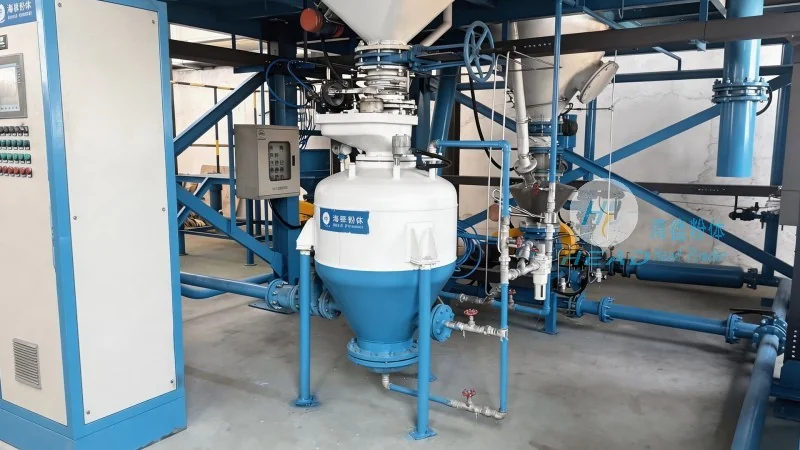
Silica powder pneumatic conveying systems are widely used in various industries due to their versatility and efficiency. In the construction industry, these systems are used to transport silica-based materials for concrete production and refractory applications. In the chemical industry, they are employed to handle silica powders used in the manufacturing of paints, coatings, and adhesives. The benefits of using pneumatic conveying systems for silica powder include reduced dust emissions, improved product quality, and increased operational efficiency. By maintaining a closed system, the risk of contamination and material loss is minimized, while the ability to transport materials over long distances without the need for intermediate storage or handling reduces overall costs.
Conclusion
Silica powder pneumatic conveying systems are sophisticated and efficient solutions for transporting fine particulate materials. The design principles, components, and considerations outlined in this article highlight the importance of understanding the material properties and system requirements to ensure optimal performance. As a leading provider in the field, Shandong HeadPowder Engineering Co., Ltd. specializes in designing and manufacturing customized pneumatic conveying systems tailored to the specific needs of silica powder applications. With a focus on quality, reliability, and innovation, HeadPowder delivers systems that meet the highest standards of performance and durability, ensuring long-term operational success for its clients.