

What is a waste material pneumatic conveying system? What are its design principles?
Waste material pneumatic conveying systems are essential equipment in modern waste management and processing industries. These systems utilize air as the primary medium to transport bulk materials, such as waste from landfills, recycling facilities, or industrial sites, over long distances with minimal maintenance and operational complexity. The core function of these systems is to efficiently move solid waste from the source to processing or disposal locations, ensuring safe and efficient material handling. In this article, we will explore the fundamental concepts of pneumatic conveying systems for waste materials and delve into the key design principles that govern their operation.
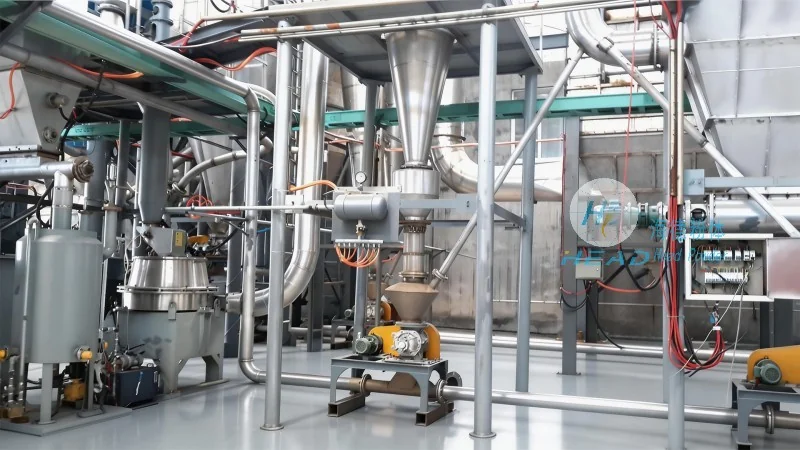
About Shandong HeadPowder Engineering Co., Ltd.
HeadPowder, a leading manufacturer in the field of material handling solutions, specializes in the design, development, and production of advanced pneumatic conveying systems. With a strong commitment to innovation and quality, HeadPowder has established itself as a trusted partner for clients seeking reliable and efficient waste management equipment. The company’s headquarters is located in Shandong, China, where it leverages local manufacturing capabilities and expertise to deliver high-performance solutions tailored to the unique needs of the waste processing industry.
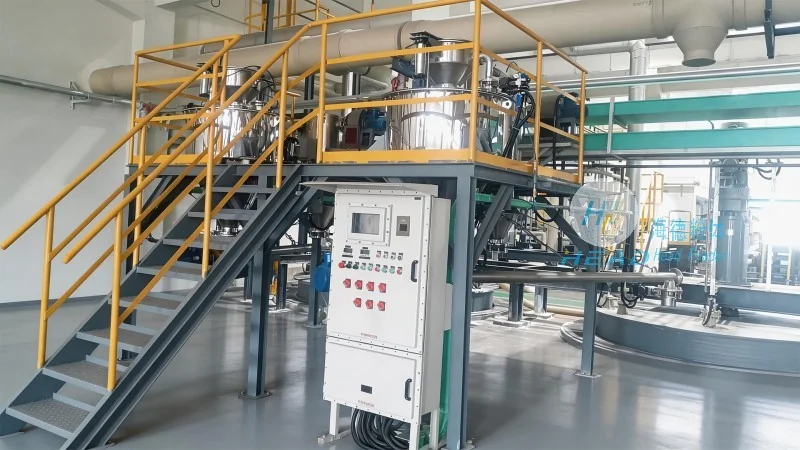
Design Principles of Pneumatic Conveying Systems for Waste Materials
The design of a waste material pneumatic conveying system involves several critical principles that ensure optimal performance, efficiency, and reliability. The primary design considerations include the type of conveying system (e.g., dilute-phase or dense-phase), the material characteristics (such as particle size, moisture content, and density), and the operational requirements (e.g., distance, flow rate, and pressure). Dilute-phase systems, which are commonly used for waste materials, operate by injecting air at high velocity into the material stream, creating a mixture of air and particles that is transported through the pipeline. This method is suitable for materials with low to moderate density and relatively small particle sizes. Dense-phase systems, on the other hand, use lower air velocities and higher pressure to form a dense slug of material, which is ideal for handling materials with higher density or larger particle sizes, reducing the risk of blockages and ensuring smoother operation.
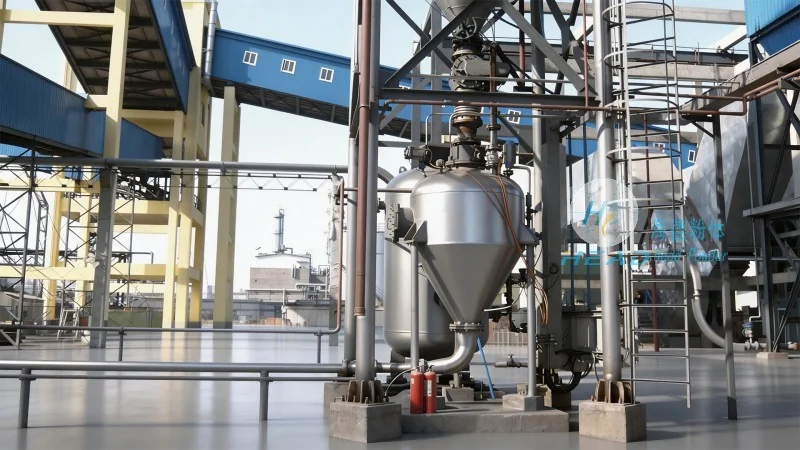
Key Components of a Waste Material Pneumatic Conveying System
A typical waste material pneumatic conveying system consists of several key components that work in tandem to achieve efficient material transport. The main components include the material feed hopper, which stores and feeds the waste material into the system; the air compressor or blower, which generates the necessary air pressure and flow; the conveying pipeline, which transports the material and air mixture; the control system, which regulates the operation of the system; and the discharge equipment, which collects the material at the destination. Each component plays a crucial role in the overall performance of the system, and their proper selection and integration are essential for achieving optimal results.
Advantages of Using Pneumatic Conveying Systems for Waste Materials
Waste material pneumatic conveying systems offer several advantages over traditional material handling methods, such as belt conveyors or truck transport. These systems provide a closed-loop operation, which helps to minimize dust emissions and prevent environmental contamination. Additionally, they can transport materials over long distances with minimal energy consumption and reduced labor costs. The systems are also highly flexible, allowing for easy integration with existing waste processing facilities and adaptation to changing operational needs. Furthermore, pneumatic conveying systems can handle a wide range of waste materials, including wet or sticky substances, without the need for additional processing or conditioning.
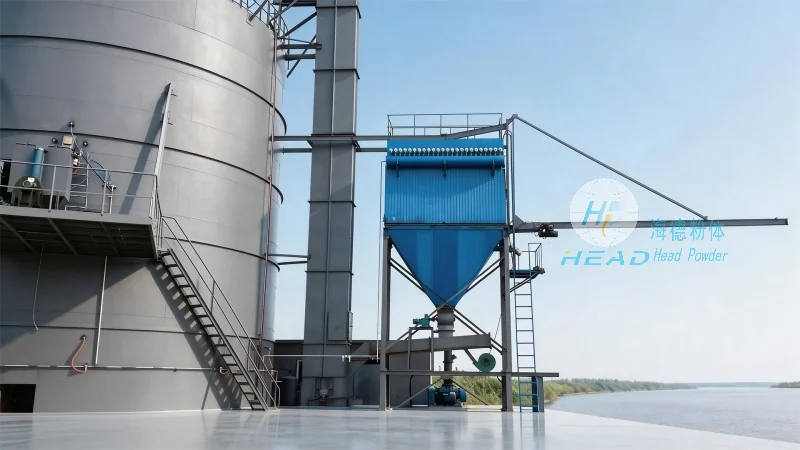
Conclusion
Waste material pneumatic conveying systems are a vital technology in the modern waste management industry, offering efficient, reliable, and environmentally friendly solutions for transporting bulk waste materials. By understanding the design principles and key components of these systems, waste processing facilities can optimize their operations and improve overall performance. As a leading manufacturer in this field, Shandong HeadPowder Engineering Co., Ltd. provides high-quality pneumatic conveying systems that meet the specific needs of clients, ensuring efficient and sustainable waste management solutions.