

What is an Alumina Material Pneumatic Conveying System? What Are Its Design Principles?
Alumina, also known as corundum, is a widely used industrial material in various sectors such as ceramics, refractories, and abrasives. The efficient and reliable transportation of alumina powders and granules is crucial for industrial processes, and pneumatic conveying systems have emerged as a preferred solution. Shandong HeadPowder Engineering Co., Ltd., a leading provider of industrial material handling solutions, specializes in designing and manufacturing alumina material pneumatic conveying systems tailored to meet the specific requirements of different industries.
Understanding the Alumina Material Pneumatic Conveying System
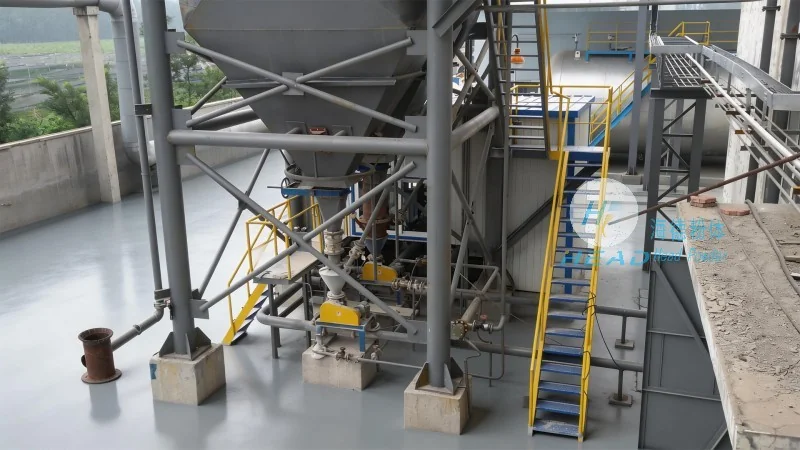
A pneumatic conveying system is a method of transporting bulk materials, such as alumina, through a pipeline using air or other gases as the conveying medium. In an alumina material system, the goal is to move these abrasive and often fine particles from a source point to a destination point without degradation or loss. The system typically consists of several key components, including a feeder, a conveyor line, a separator, and a receiver. The feeder is responsible for introducing the alumina material into the system at a controlled rate, while the conveyor line transports the material through the pipeline. The separator, often a cyclone or a bag filter, separates the conveying air from the alumina particles, allowing the material to be collected at the receiver. This process eliminates the need for mechanical components like belts or buckets, reducing maintenance and increasing safety.
Key Components of an Alumina Pneumatic Conveying System
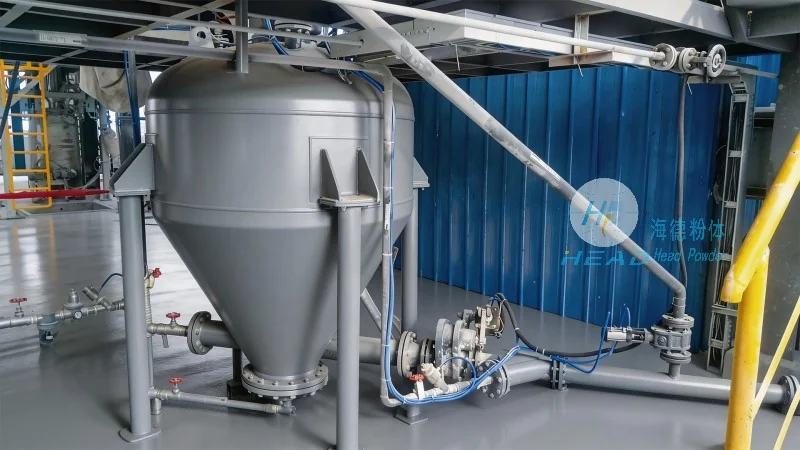
Each component in an alumina pneumatic conveying system plays a critical role in ensuring efficient operation. The feeder, which can be a rotary valve, a screw feeder, or a pressure feeder, must be designed to handle the specific characteristics of alumina, such as its particle size, density, and flowability. The conveyor line is usually made of materials like stainless steel or plastic to withstand the abrasive nature of the material and resist corrosion. The choice of pipeline diameter and length is also crucial, as it affects the system's capacity and pressure requirements. The separator is a critical component for maintaining material purity and preventing dust emissions. Cyclone separators use centrifugal force to separate particles from the air, while bag filters use fabric bags to trap fine particles. The receiver is designed to collect the alumina material and may include features like a hopper or a silo to store the material until it is used.
Design Principles for Optimal Performance
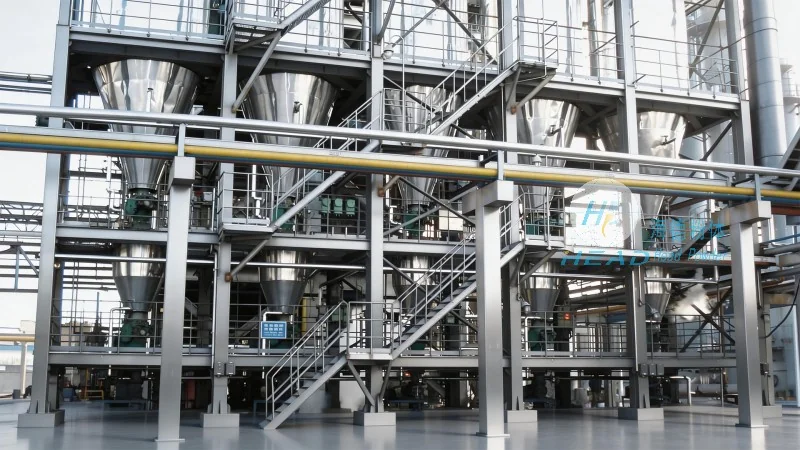
The design of an alumina material pneumatic conveying system is based on several key principles to ensure reliable and efficient operation. The first principle is the selection of the appropriate conveying velocity, which is the speed at which the material is transported through the pipeline. The velocity must be high enough to prevent material settling or blockages but low enough to avoid excessive wear on the pipeline and components. The second principle is the consideration of the material's properties, such as its particle size distribution, density, and moisture content. These properties affect the system's pressure drop, which is the pressure loss as the material moves through the pipeline. The third principle is the optimization of the system's layout, including the pipeline routing and the placement of components. Proper layout minimizes the number of bends and changes in direction, reducing pressure losses and improving system efficiency. The fourth principle is the incorporation of safety features, such as pressure relief valves and dust collection systems, to protect the system and the environment from potential hazards.
Operational Considerations and Maintenance
Once the alumina material pneumatic conveying system is designed and installed, proper operation and maintenance are essential to ensure long-term performance. Regular inspection of the feeder and conveyor line is necessary to check for wear and tear, as alumina is an abrasive material that can cause damage over time. The separator and receiver should also be inspected regularly to ensure they are functioning correctly and to prevent material buildup. The conveying air system, including the blower or compressor, should be checked for proper operation and maintenance to ensure adequate air pressure and flow. Additionally, the system should be equipped with monitoring devices, such as pressure gauges and flow meters, to allow operators to monitor the system's performance and detect any issues early. Proper maintenance and operational procedures can significantly extend the lifespan of the system and reduce downtime.
Conclusion
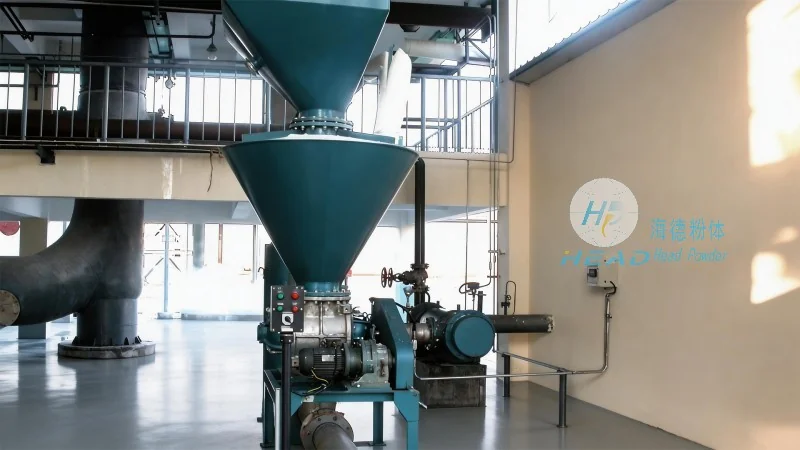
An alumina material pneumatic conveying system is a sophisticated and efficient solution for transporting abrasive and fine materials in industrial applications. By understanding the design principles and operational considerations, manufacturers and engineers can select and implement a system that meets their specific needs and ensures optimal performance. The system's ability to handle alumina materials safely and reliably makes it a preferred choice in various industries, and its continued development and improvement will likely enhance its applications in the future.