

What is a High-Alumina Fly Ash Pneumatic Conveying System? And What Are Its Design Principles?
High-alumina fly ash, a byproduct of coal combustion in thermal power plants, presents unique challenges in material handling due to its fine particle size and abrasive nature. Traditional bulk material handling methods often struggle with efficient and reliable transport of such powders. This has led to the development of specialized pneumatic conveying systems designed specifically for high-alumina fly ash applications. Understanding the fundamentals of these systems and their design principles is crucial for optimizing industrial processes in power generation and related sectors.
Key Components of a High-Alumina Fly Ash Pneumatic Conveying System
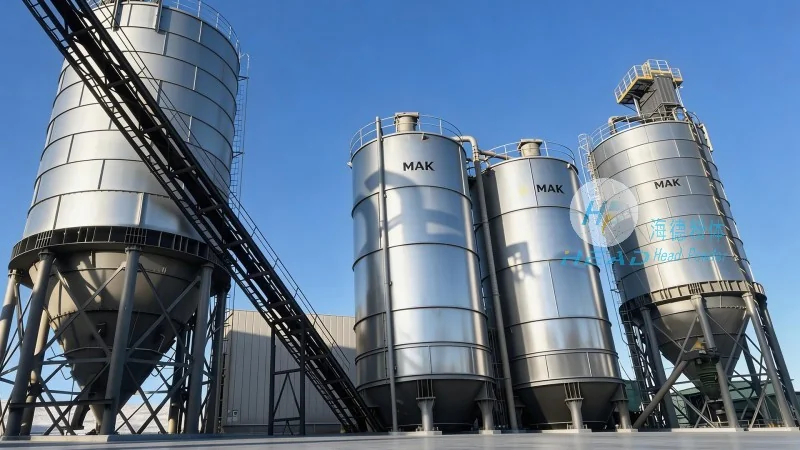
At the core of any high-alumina fly ash pneumatic conveying system are several critical components that work in tandem to ensure effective material transport. The system typically includes a hopper or storage silo for ash collection, a rotary airlock or feeder to control the flow of material, a positive displacement blower or high-pressure compressor to generate the necessary air pressure, and a pipeline network that transports the ash from the source to the destination. Additionally, a receiver or discharge hopper at the end of the system collects the ash, often equipped with a rotary valve or gate to regulate discharge. Each component is engineered to handle the specific properties of high-alumina fly ash, such as its high moisture content, particle size distribution, and potential for agglomeration.
Design Principles for Efficient High-Alumina Fly Ash Transport
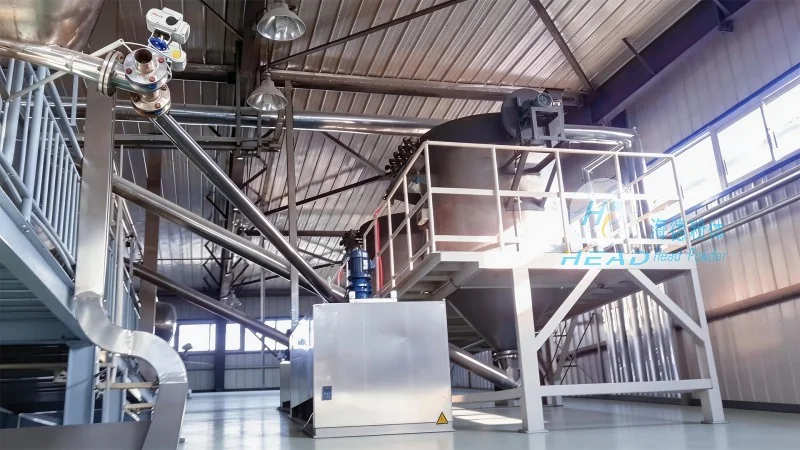
The design of a high-alumina fly ash pneumatic conveying system follows several key principles aimed at maximizing efficiency, minimizing wear, and ensuring long-term reliability. First, the system must be designed to handle the abrasive nature of the ash, which can cause significant wear on components like pipelines, valves, and blower parts. This is typically achieved through the use of high-quality materials, such as stainless steel or special alloys, in critical areas. Second, the system must maintain consistent air pressure and flow rates to prevent clogging or blockages in the pipeline. This often involves the use of positive displacement blowers, which provide a steady, high-pressure air supply, and proper sizing of the pipeline to match the material flow rate. Third, the system must account for the moisture content of the ash, as excess moisture can lead to agglomeration and reduced conveying efficiency. This may require the inclusion of drying or conditioning equipment before the ash enters the conveying system. Finally, the design must consider the overall system layout, including the vertical and horizontal distances between the source and destination, to ensure that the air pressure and flow rates are sufficient to overcome the gravitational and frictional forces acting on the material.
HeadPowder's Expertise in High-Alumina Fly Ash Pneumatic Conveying Solutions
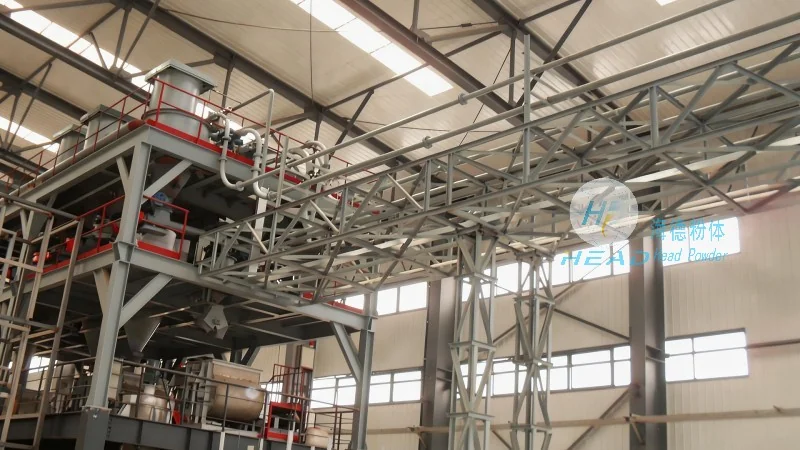
Shandong HeadPowder Engineering Co., Ltd., a leading provider of industrial material handling solutions, specializes in designing and manufacturing high-performance pneumatic conveying systems tailored to the unique needs of high-alumina fly ash applications. With years of experience in the power generation and related industries, HeadPowder has developed a deep understanding of the challenges associated with handling this material and has refined its design principles to deliver reliable, efficient, and cost-effective solutions. The company's engineers work closely with clients to assess their specific operational requirements, including the volume of ash to be transported, the distance and layout of the conveying system, and the desired discharge location. Based on this assessment, HeadPowder designs custom systems that incorporate the latest technologies and materials to ensure optimal performance. For example, the company may recommend the use of flexible hoses or special fittings to accommodate the abrasive nature of the ash, or the integration of monitoring systems to track system performance and detect potential issues before they become major problems. HeadPowder's commitment to quality and customer satisfaction is evident in its rigorous testing and quality control processes, which ensure that each system meets or exceeds industry standards and client expectations.
Conclusion: The Importance of Proper Design in High-Alumina Fly Ash Pneumatic Conveying
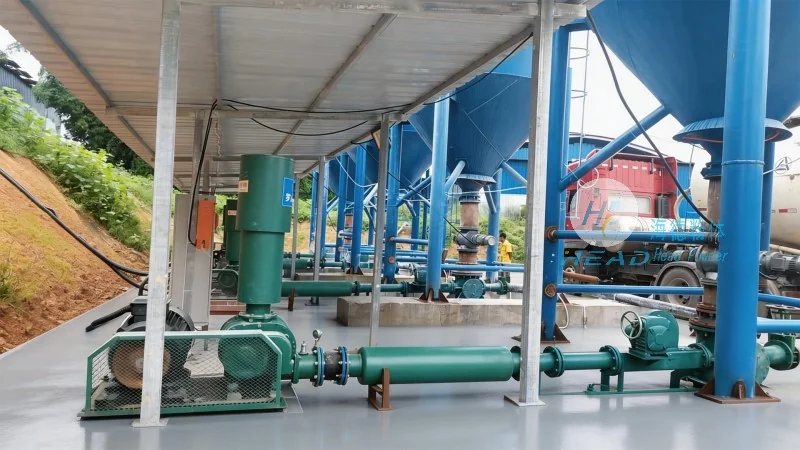
High-alumina fly ash pneumatic conveying systems are essential for the efficient and reliable transport of this critical industrial material. The design principles outlined above, combined with the expertise of companies like Shandong HeadPowder Engineering Co., Ltd., ensure that these systems can handle the unique challenges of high-alumina fly ash, including its abrasive nature, moisture content, and particle size. By investing in properly designed and maintained pneumatic conveying systems, power plants and other industrial facilities can improve their operational efficiency, reduce maintenance costs, and enhance overall productivity. As the demand for high-alumina fly ash continues to grow, the importance of reliable material handling solutions will only increase, making the design and implementation of effective pneumatic conveying systems a critical consideration for any organization involved in the power generation or related sectors.