

What is Multi-Hopper Pneumatic Material Conveying? And What Are Its Design Principles?
Multi-hopper pneumatic material conveying systems represent a sophisticated approach to material handling, particularly in industrial settings where efficient and reliable transport of bulk materials is critical. This technology, often referred to as multi-hopper pneumatic conveying, involves the use of multiple hoppers to feed a pneumatic conveying system, enabling the simultaneous or sequential transport of different materials or the same material at varying flow rates. The design of such systems is intricate, balancing the needs of material compatibility, system efficiency, and operational flexibility.
Understanding Multi-Hopper Pneumatic Material Conveying
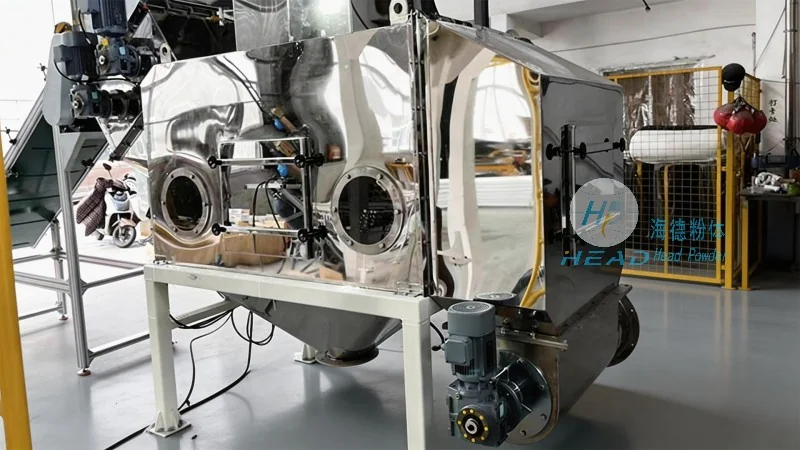
At its core, multi-hopper pneumatic material conveying is a method of transporting bulk materials through a pipeline using a combination of air and mechanical force. Unlike traditional single-hopper systems, which may struggle with varying material characteristics or require frequent system adjustments, multi-hopper configurations offer enhanced versatility. Each hopper can be dedicated to a specific material or a specific feed rate, allowing for precise control over the material flow into the conveying line. This modularity is a key advantage, as it simplifies the integration of different materials or the scaling of material throughput without major system overhauls.
The Design Principles of Multi-Hopper Pneumatic Conveying Systems
The design of a multi-hopper pneumatic material conveying system involves several critical principles that ensure optimal performance and durability. First, the selection of the appropriate conveying method—whether it is dilute-phase or dense-phase—is determined by the material's properties, such as particle size, density, and moisture content. Dilute-phase systems use higher air velocities to keep particles suspended in the air stream, suitable for lighter, free-flowing materials. Dense-phase systems, on the other hand, use lower air velocities and higher material-to-air ratios, ideal for handling abrasive or cohesive materials that require gentler transport. The multi-hopper design facilitates the integration of these different conveying modes by allowing each hopper to be optimized for the specific material it handles.
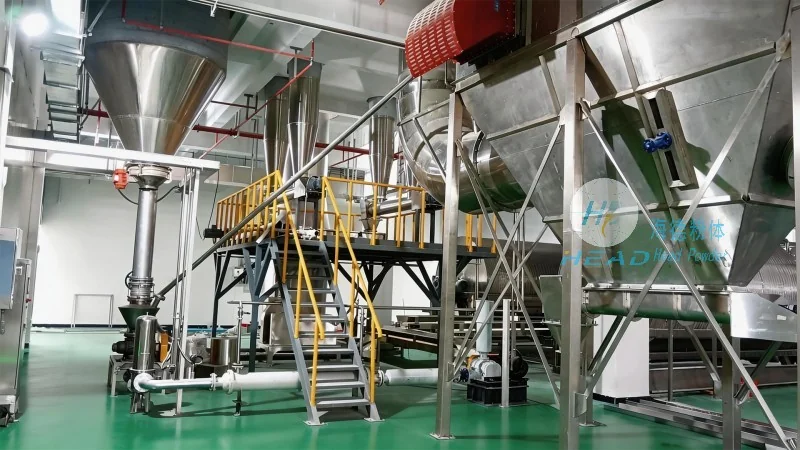
Second, the system's layout and component selection are tailored to minimize pressure losses and maximize efficiency. Key components include the hoppers themselves, which must be designed to prevent material bridging or caking, especially for cohesive materials. The feeder mechanisms, such as rotary valves or screw feeders, are critical for controlling the flow rate from each hopper. These feeders must be synchronized with the conveying system to maintain consistent material flow and avoid surges or blockages in the pipeline. Additionally, the pipeline design, including the use of bends, elbows, and expansion joints, is optimized to reduce turbulence and pressure drop, ensuring that the system operates within its designed pressure range.

Key Advantages of Multi-Hopper Pneumatic Conveying
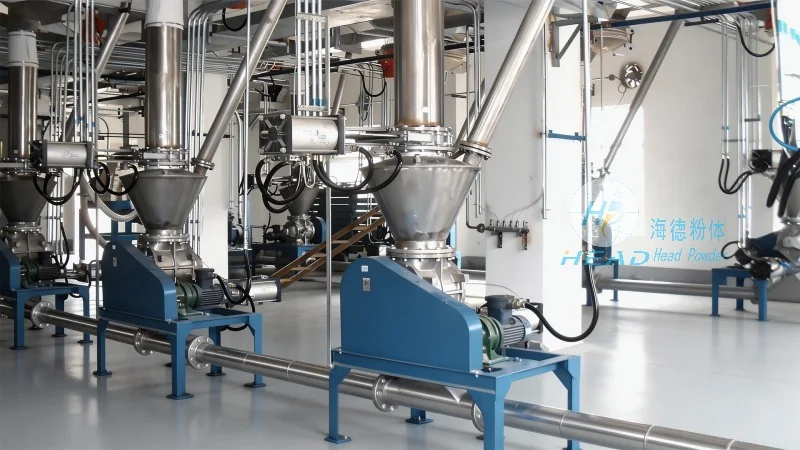
Multi-hopper pneumatic material conveying offers several advantages over traditional single-hopper systems. One of the most significant benefits is the ability to handle multiple materials simultaneously or sequentially. This is particularly valuable in industries where different raw materials or finished products need to be processed or transported through the same system. The system's flexibility allows for quick changes in material composition or flow rates, reducing downtime and increasing operational efficiency. Another advantage is the improved material handling for diverse material characteristics. By dedicating a hopper to a specific material, the system can accommodate variations in particle size, density, and flowability, ensuring that each material is conveyed under optimal conditions. This reduces material degradation, such as breakage or agglomeration, which can occur with less controlled transport methods.
Applications and Industries
Multi-hopper pneumatic material conveying systems are widely used across various industries, including chemical, pharmaceutical, food processing, and mining. In the chemical industry, these systems are used to transport powders and granules, such as pigments, polymers, and catalysts, where precise control over material flow is essential for maintaining product quality. The pharmaceutical industry benefits from the system's ability to handle sensitive materials, such as active pharmaceutical ingredients (APIs), with minimal contamination and degradation. Food processing applications include the transport of ingredients like flour, sugar, and spices, where hygiene and material purity are paramount. In mining and mineral processing, multi-hopper systems are used to convey raw materials like ores and minerals, often in conjunction with other processing equipment.
Company Overview: Shandong HeadPowder Engineering Co., Ltd.
Shandong HeadPowder Engineering Co., Ltd., commonly known as HeadPowder, is a leading provider of advanced material handling solutions, including multi-hopper pneumatic conveying systems. With a focus on innovation and customer-centric design, HeadPowder specializes in developing customized systems that meet the unique needs of industrial clients. The company's expertise lies in the integration of multi-hopper technology with pneumatic conveying principles, ensuring that each system is optimized for the specific material, process, and operational requirements of the client. HeadPowder's commitment to quality and reliability has made it a trusted partner for businesses seeking efficient and reliable material transport solutions. The company's operations are based in Shandong, China, where it leverages local resources and expertise to deliver high-quality products and services to a global market.