

What is Steel Grit Material Pneumatic Conveying? And What Are Its Design Principles?
Steel grit material pneumatic conveying is a specialized method used in industrial processes to transport steel grit and similar abrasive materials through a pipeline system using compressed air or other gas as the conveying medium. This technology is particularly valuable in applications where traditional mechanical conveyors may be unsuitable due to the nature of the material, such as its high abrasiveness, density, or the need for a dust-free environment.
Understanding the Core Concept of Steel Grit Pneumatic Conveying
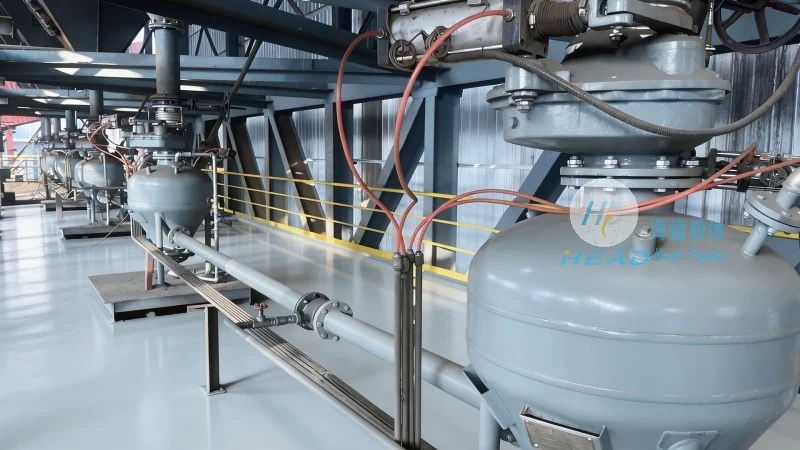
At its essence, steel grit pneumatic conveying involves the use of a pressurized air stream to move solid particles through a sealed pipeline. The system typically consists of a hopper for material storage, a feeder to control the flow rate, a conveying line, and a receiver to collect the material at the destination. The choice of conveying system—whether dense phase or dilute phase—depends on factors like material properties, distance, and required flow rate.
Key Design Principles for Steel Grit Pneumatic Conveying Systems
The design of a steel grit pneumatic conveying system must consider several critical principles to ensure efficiency, reliability, and longevity. First, the system must be constructed from materials that can withstand the abrasive nature of steel grit, such as high-strength steel or specialized alloys. This prevents wear and tear on components like pipes, valves, and hoppers, which are critical to system performance. Second, the air pressure and flow rate must be optimized to maintain a stable flow of material without causing excessive pressure drops or particle separation. Third, the system should incorporate features like cyclone separators or filters to prevent material buildup and maintain air quality. Finally, the design must account for the potential for material segregation or agglomeration, which can affect the uniformity of the conveyed material.
The Role of Shandong HeadPowder Engineering Co., Ltd. in Steel Grit Pneumatic Conveying Solutions
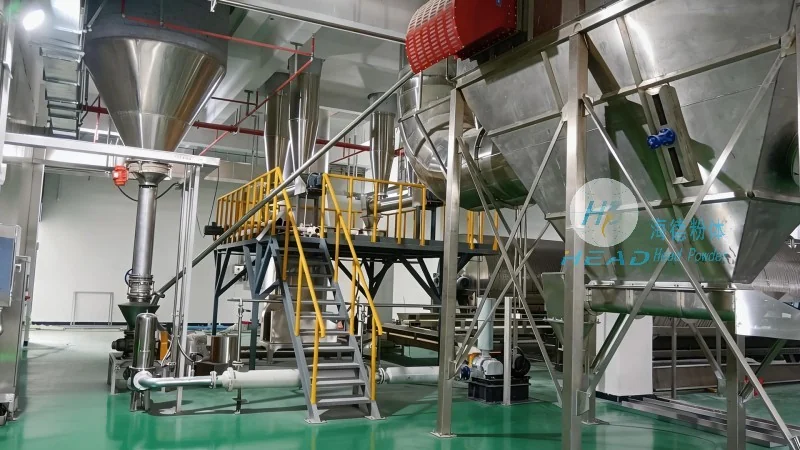
Shandong HeadPowder Engineering Co., Ltd., commonly known as headpowder, is a leading provider of custom-designed pneumatic conveying systems tailored to the unique needs of steel grit applications. With a focus on engineering excellence and customer satisfaction, headpowder specializes in developing systems that meet the demanding requirements of industrial clients. The company’s expertise lies in understanding the specific challenges of steel grit, such as its high density and abrasive properties, and designing solutions that maximize efficiency while minimizing maintenance and operational costs. By leveraging advanced materials and innovative design techniques, headpowder ensures that its systems are durable, reliable, and tailored to the specific operational parameters of each client.
Key Components and Their Function in Steel Grit Pneumatic Conveying
A typical steel grit pneumatic conveying system includes several key components, each playing a vital role in the overall operation. The hopper serves as the storage vessel, holding the steel grit until it is ready to be conveyed. The feeder, often a rotary valve or a metering device, controls the flow rate of material into the conveying line, ensuring a consistent and controlled feed. The conveying line itself is typically made of high-strength steel or plastic, designed to withstand the abrasive nature of the material and maintain the integrity of the air stream. The air compressor or blower provides the necessary pressure to move the material through the line, with the pressure level determined by the distance and material characteristics. The receiver, located at the destination, collects the conveyed steel grit and may include a filter or separator to remove any residual air or particles. Finally, the control system monitors and regulates the operation of the entire system, ensuring safe and efficient operation.
Advantages of Steel Grit Pneumatic Conveying Over Traditional Methods
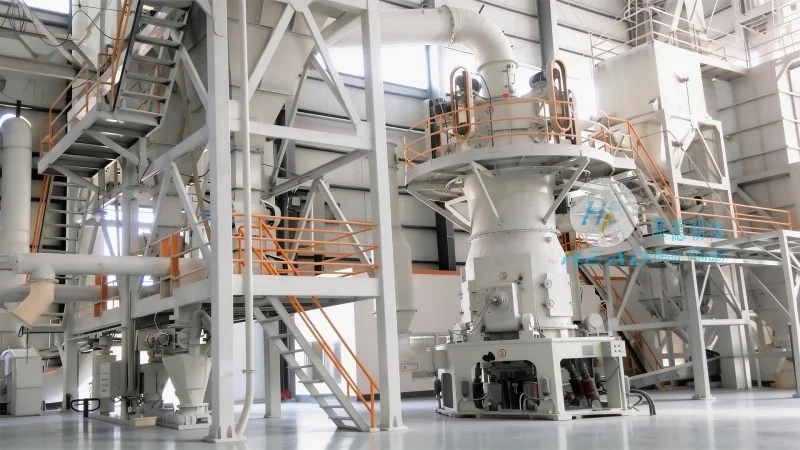
Compared to traditional mechanical conveyors, steel grit pneumatic conveying offers several advantages that make it the preferred choice for many industrial applications. First, it eliminates the need for moving parts in the conveying line, reducing maintenance costs and the risk of mechanical failure. Second, the sealed pipeline system prevents dust and material loss, creating a cleaner and safer working environment. Third, the system can handle materials with high abrasiveness or density, which may be difficult to convey using mechanical methods. Fourth, pneumatic conveying systems can be easily integrated with other processes, such as dust collection or material processing, to create a more efficient and streamlined operation. Finally, the system can be designed to handle varying flow rates and distances, making it versatile for a wide range of applications.
Applications of Steel Grit Pneumatic Conveying
Steel grit pneumatic conveying is widely used in various industrial sectors, including metalworking, foundries, and surface treatment. In metalworking, it is used to transport steel grit for grinding and polishing operations, where the abrasive nature of the material is essential for achieving a smooth finish. In foundries, it is used to move steel grit for casting and molding processes, where the material is used to clean and prepare molds. In surface treatment, it is used to convey steel grit for shot blasting, a process that removes rust and imperfections from metal surfaces. The versatility of the system makes it suitable for a wide range of applications, from small-scale operations to large industrial plants.