

What is Brown Sugar Material Pneumatic Conveying? And What Are Its Design Principles?
For industries dealing with bulk materials like brown sugar, efficient and reliable material handling is crucial. Pneumatic conveying systems offer a solution that minimizes contamination, reduces labor costs, and enhances operational safety. This article explores the concept of brown sugar material pneumatic conveying, detailing its design principles and the technical aspects that make it an effective choice for sugar processing facilities.
Introduction to Brown Sugar Material Pneumatic Conveying
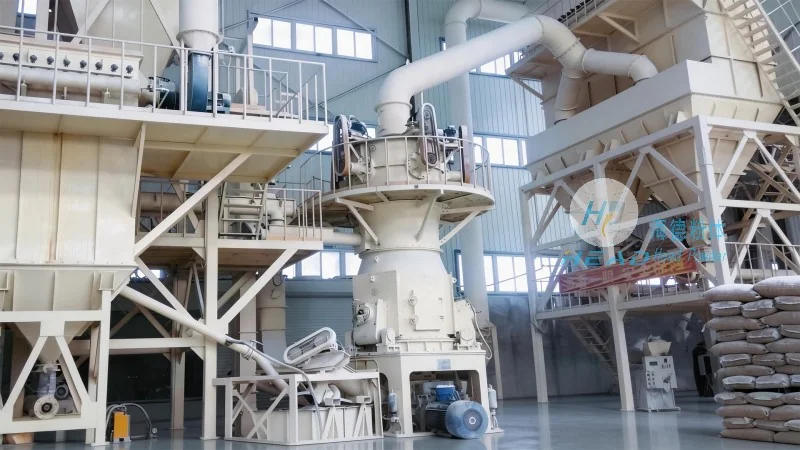
Pneumatic conveying, also known as pneumatic transport, is a method of transporting bulk materials through a pipeline using air or other gases. In the context of brown sugar, this technology is employed to move sugar from storage silos, processing units, or packaging areas with precision and control. The system typically consists of a hopper, a feeder, a conveying line, and a receiver, all working in tandem to ensure smooth material flow. The primary advantage of this approach is the ability to handle fine or powdery materials without the need for mechanical components that might cause contamination or wear.
Key Components of a Pneumatic Conveying System for Brown Sugar
The design of a pneumatic conveying system for brown sugar involves several critical components, each playing a vital role in the overall operation. The first component is the material hopper, which stores the brown sugar and feeds it into the system. This hopper is often equipped with a rotary valve or a star feeder to regulate the flow of material into the conveying line. The feeder ensures a consistent and controlled discharge of sugar, preventing overloading or underflow that could disrupt the system. The conveying line itself is made of durable materials such as stainless steel or food-grade plastic to maintain the purity of the brown sugar and resist corrosion from moisture or sugar residues.
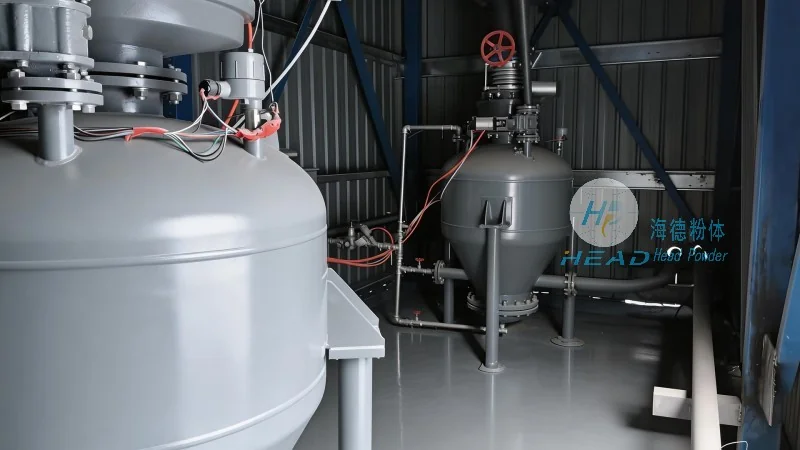
The air or gas used to move the material is supplied by a blower or a compressor, which generates the necessary pressure to propel the sugar particles through the pipeline. The blower's capacity and pressure are carefully selected based on the material's properties, such as particle size, density, and moisture content. For brown sugar, which is often fine and hygroscopic, the system must be designed to prevent caking or blockages in the pipeline. This is achieved through the use of appropriate air velocities and pipeline diameters, ensuring that the sugar particles are carried efficiently without settling or sticking to the pipe walls.
Design Principles for Optimal Performance
The design of a pneumatic conveying system for brown sugar is guided by several key principles aimed at maximizing efficiency, minimizing energy consumption, and ensuring long-term reliability. One of the fundamental principles is the selection of the correct air velocity. The velocity must be high enough to prevent the sugar particles from settling in the pipeline but low enough to avoid excessive wear on the blower and pipeline components. For brown sugar, typical air velocities range from 20 to 30 meters per second, depending on the particle size and density. Another critical principle is the use of appropriate pipeline dimensions. The diameter of the conveying line is determined by the material flow rate and the air velocity, ensuring that the system can handle the required throughput without causing excessive pressure drops or energy losses.
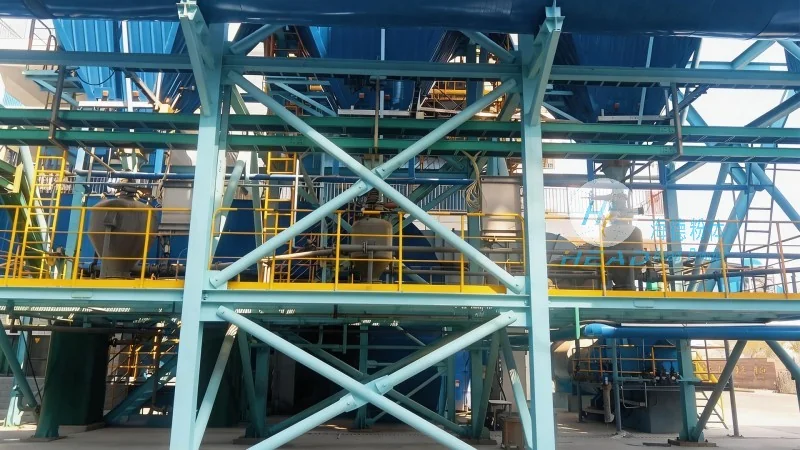
Pressure drop is another important consideration in the design of a pneumatic conveying system. The pressure drop across the system is the difference between the inlet and outlet pressures and is influenced by factors such as the length of the pipeline, the number of bends, and the type of material being conveyed. For brown sugar, the system must be designed to minimize pressure drop to reduce the energy consumption of the blower. This is achieved by using smooth, straight pipelines with minimal bends and by selecting the appropriate blower type, such as a centrifugal or positive displacement blower, based on the system's requirements.
Benefits of Using Pneumatic Conveying for Brown Sugar Handling
Implementing a pneumatic conveying system for brown sugar offers numerous benefits that enhance the overall efficiency and quality of the processing operation. One of the most significant advantages is the reduction in material contamination. Unlike mechanical conveyors, which may introduce dust or foreign particles into the sugar, pneumatic systems keep the material enclosed, preventing exposure to the environment and maintaining its purity. This is particularly important for brown sugar, which is often used in food applications where quality and safety are paramount.
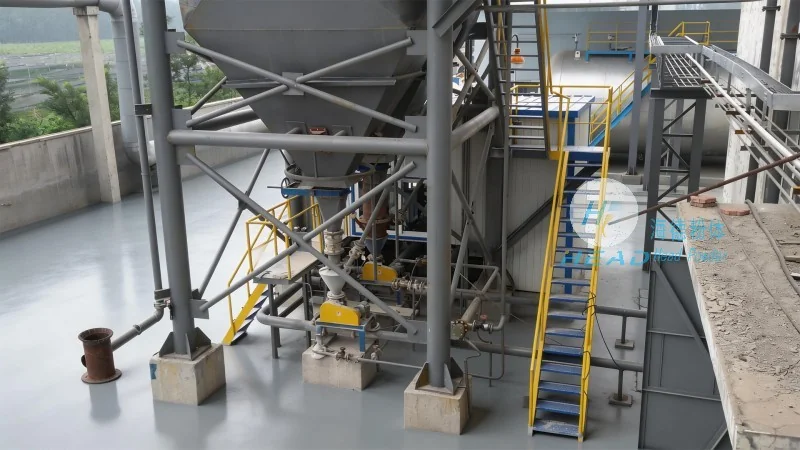
Another benefit is the improvement in operational safety. Pneumatic conveying systems eliminate the need for manual handling of bulk materials, reducing the risk of accidents and injuries. The enclosed system also minimizes dust emissions, improving air quality in the workplace and complying with environmental regulations. Additionally, the system's ability to handle fine or powdery materials without clogging or blockages reduces downtime and maintenance costs, leading to higher overall productivity.
Conclusion and Company Overview
Pneumatic conveying is a highly effective method for handling brown sugar and other bulk materials, offering a reliable and efficient solution for sugar processing facilities. The design principles, including proper component selection, air velocity control, and pipeline design, are crucial to ensuring optimal performance and long-term reliability. By leveraging the expertise of companies like Shandong HeadPowder Engineering Co., Ltd., known as headpowder, facilities can implement customized pneumatic conveying systems tailored to their specific needs, ensuring efficient material handling and enhanced operational performance.